


9 Pet-Safe House Plants for Improved Air Quality
October 1, 2025
Gardening & Plants
Pet & Grooming
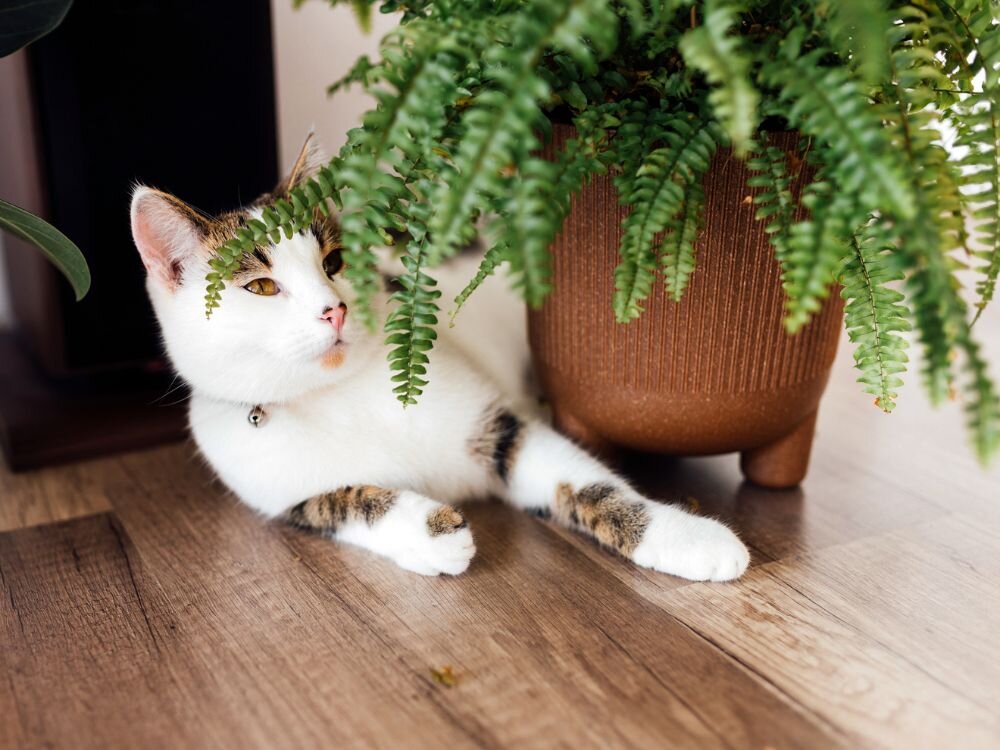
If you’ve got pets at home, you already know they’re curious. A dangling leaf or a new pot of soil is an invitation to investigate. That’s why choosing pet-safe house plants matters.
But it’s not just about safety. The best house plants also improve air quality. They filter out common indoor pollutants, add a little extra humidity, and even boost your mood.

You can create a green, vibrant home that looks great, helps clean the air, and keeps your furry friends out of harm’s way. After all, a plant-filled living room feels a lot better when you don’t have to keep saying, “No, don’t eat that!”
Best Pet-Safe House Plants
Each one of these plants has its own personality, so you pick the plants that fit your space and your routine.
1. Spider Plant

A classic for beginners, the spider plant is safe for cats and dogs. It’s tough, forgiving if you forget to water it, and famous for filtering out carbon monoxide and formaldehyde. Plus, the long striped leaves and little “spiderettes” it sprouts make it a fun, lively addition to your windowsill.
2. Areca Palm

Looking for a touch of the tropics? The areca palm is one of those house plants that are safe for pets while still bringing a big, bold look to your home. It’s excellent at adding humidity and purifying the air, especially in larger rooms.
3. Boston Fern

Boston ferns are lush, pet-safe, and fantastic at boosting humidity levels. They’re also good at reducing indoor toxins. Keep them in indirect light with consistently moist soil, and you’ll have a soft, feathery plant that brightens up your living room or bathroom.
4. Peperomia

Peperomias are compact, easy-care plants with dozens of leaf shapes and colors. They’re safe for pets, thrive in smaller pots, and tolerate lower light. They’re a perfect choice if you want variety and personality without a lot of upkeep.
5. Fittonia

Also called the nerve plant, Fittonias are known for their striking veins in shades of pink, white, or red. They’re non-toxic, great for terrariums or small pots, and add a splash of color while helping improve indoor air quality.
6. Purple Waffle Plant

The University of Georgia study found that the purple waffle plant is one of the most effective plants for removing volatile organic compounds (VOCs) from indoor air. Its crinkly purple leaves add a pop of color, and it’s safe for both cats and dogs.
7. Bamboo Palm

Known for its strong air-cleaning ability (it was even cited in NASA’s Clean Air Study), the bamboo palm is another winner. It’s one of the house plants safe for dogs and cats, and it grows well in medium to low light. If you want a tall, graceful plant that’s both practical and pet-friendly, this one’s a great pick.
8. Parlor Palm

This classic palm has been a favorite for over a century, and for good reason. The parlor palm is easy to grow, safe for pets, and steadily purifies indoor air. Because it stays smaller than most palms, it’s perfect for tabletops, corners, or cozy apartments.
9. Calathea

If you’d like something a little more decorative, Calatheas are a great choice. Their patterned, colorful leaves make them stand out, and they’re completely non-toxic to pets. Beyond the looks, they also help clean the air, making them a stylish option for any pet-friendly household.
Quick Guide: House Plants for Air Quality
Plant
Safe for Pets
Air Quality Benefits
Care Needs
Spider Plant
(Chlorophytum comosum)
Cats & Dogs
Filters carbon monoxide and formaldehyde
Easy-care, tolerates neglect
Areca Palm
(Dypsis lutescens)
Cats & Dogs
Adds humidity, removes indoor toxins
Prefers bright, indirect light
Boston Fern
(Nephrolepis exaltata)
Cats & Dogs
Boosts humidity, reduces toxins
Needs moist soil and indirect light
Peperomia
(Peperomia spp.)
Cats & Dogs
Compact plants with light air-purifying ability
Low-maintenance, good in small pots
Fittonia / Nerve Plant
(Fittonia albivenis)
Cats & Dogs
Improves air quality, adds bold color
Prefers humidity, indirect light
Purple Waffle Plant (Hemigraphis alternata)
Cats & Dogs
Excellent VOC remover
Bright, indirect light; keep soil moist
Bamboo Palm
(Chamaedorea seifrizii)
Cats & Dogs
Strong air-cleaning ability
Grows well in medium to low light
Parlor Palm
(Chamaedorea elegans)
Cats & Dogs
Steady air purifier
Easy to grow, compact size
Calathea
(Calathea spp.)
Cats & Dogs
Improves air quality, decorative foliage
Medium light, regular watering
Tips for Keeping Plants and Pets Happy Together
Bringing greenery into your home doesn’t have to mean constant battles with curious paws. You can enjoy your plants while keeping your pets safe with a few simple habits.
1. Keep plants out of reach. If your cat thinks every leaf is a salad bar, place plants on shelves, in hanging baskets, or on sturdy plant stands. Elevated spots keep greenery safe while still letting you enjoy the view.
2. Rotate your plants just like you change out seasonal décor. Swap in different pet-safe indoor house plants throughout the year. This keeps your space feeling fresh and helps mix up the air-cleaning benefits.
3. Choose safe soil and fertilizers. Stick with pet-safe soil mixes and skip chemical-heavy fertilizers that can be harmful if your dog or cat decides to dig. Organic options are usually a safer bet for everyone in the house.
4. Stock up on the right supplies. The right container and soil make it easier to grow healthy plants that look good and keep your pets out of harm’s way.
5. Avoid toxic plants. Some houseplants may look pretty, but they can cause real trouble if your pets take a nibble.
Indoor Plants to Avoid Around Pets
A few of the most common toxic plants to watch out for include:
1. Lilies (including calla lilies): Highly toxic to cats and dogs. They’re especially dangerous for cats, where even a small amount can cause kidney failure.
2. Peace Lily (Spathiphyllum): Not a true lily, but still toxic. It can cause drooling, vomiting, and difficulty swallowing.
3. ZZ Plant (Zamioculcas zamiifolia): Contains calcium oxalate crystals that irritate the mouth and can cause drooling and vomiting.
4. Snake Plant (Sansevieria trifasciata): Popular and hardy, but its saponins can trigger nausea, vomiting, and diarrhea in pets.
5. Pothos (Epipremnum aureum): Also contains calcium oxalate crystals, leading to oral irritation and upset stomach if chewed.
6. Philodendron (all varieties): Similar to pothos, philodendrons cause severe mouth irritation, drooling, and difficulty swallowing.
7. Dieffenbachia (Dumb Cane): Another calcium oxalate plant. Chewing it can cause swelling of the mouth and throat, making it hard for pets to breathe.
8. Aloe Vera: Safe for your skin but not your pets. Ingestion can cause vomiting, diarrhea, and lethargy.
9. Sago Palm: One of the most dangerous plants for pets. Even a small amount can cause liver failure in dogs and cats.
Keeping these plants out of your home helps keep your pets safe and your mind at ease.
If you’re unsure about a plant, visit the ASPCA’s toxic and non-toxic plant database. It’s a searchable tool that makes it easy to check a plant before you buy.
Pets, Plants, and Fresh Air

With a little planning, you can build a lush, colorful, pet-friendly home – no vet visits or chewed leaves required.
Visit your local Wilco Farm Store or shop online to find pots, soil mixes, and plant care supplies to easily grow pet-safe houseplants.


Store Hours
Monday - Saturday 7am - 8pm, Sunday 9am - 6pm

For questions or help with online orders call: (888) 78-WILCO
Limited to stock on hand. Some items may vary from photos. Because of store size limitations or geography, some items featured may not be available in all stores but will be made available by special order during sale periods at advertised prices. All sale prices listed as “dollars off” or “% off” are discounted from our regular posted shelf price, not from discounts given with specialty, bulk or pallet pricing. Reseller and Drop-shippers must contact us for pre-approval to place orders with the intent to re-distribute.
© 2026, Wilco Farm Store