


The Best Chews for Guinea Pigs & Rabbits (and Which Ones to Avoid)
March 11, 2026
Pet & Grooming
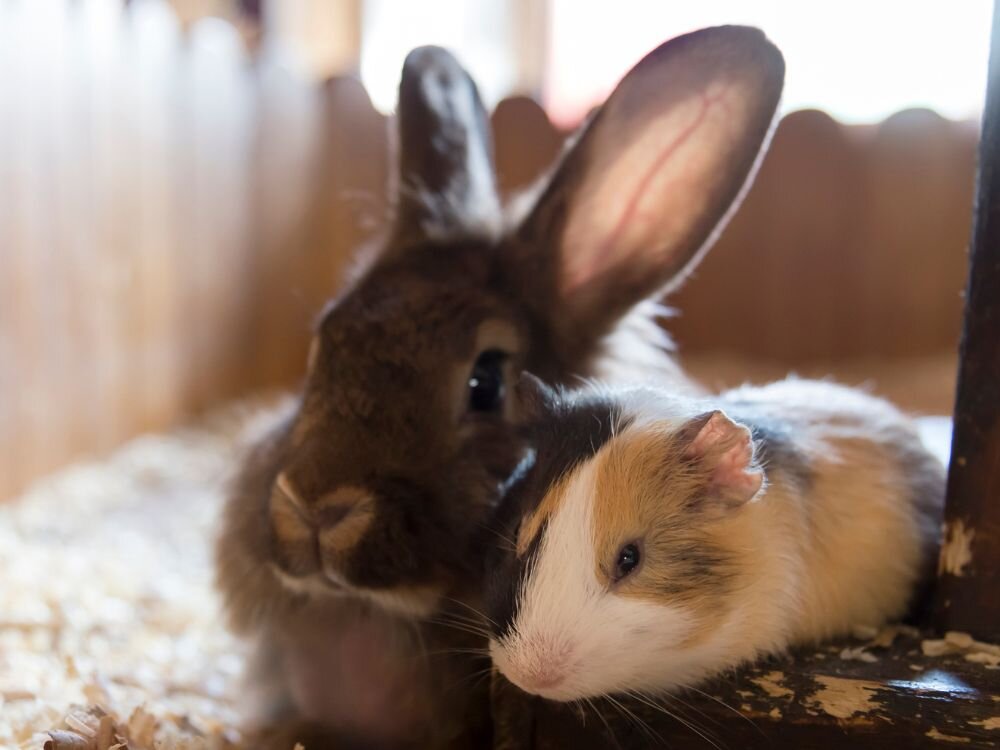
Chews are one of the easiest things to overlook in small-pet care, and one of the most important to get right. Guinea pigs and rabbits chew all day, every day. But not every product labeled a “chew” actually helps.
What Are Chews, and Why Do Small Pets Need Them?

Chews are safe, gnawable items designed to be chewed, nibbled, and worked on over time. For guinea pigs and rabbits, they’re a daily need that supports both physical and mental health.
Guinea pigs and rabbits have continuously growing teeth. If those teeth don’t wear down naturally, they overgrow, leading to pain, difficulty eating, and dental problems. Chewing helps keep teeth at a healthy length and shape, especially the front incisors they use most.
Chews also provide mental stimulation. Small pets are naturally curious and active, and without things to do, boredom sets in. A good chew gives them something to explore, shred, and work on, which helps reduce stress and restless behaviors (like bar chewing or pacing).
When pets chew regularly, they’re more relaxed and engaged. That often shows up as better appetite, calmer behavior, and fewer destructive habits. Chews not only protect, but also help your pet feel more comfortable and content in their space.
That’s why choosing the right chews for your guinea pig or rabbit matters.
How To Pick Safe Chews
Not all chews are created equal. Some are helpful daily tools, while others look cute on the shelf but don’t do much for your pet.
To pick the right ones, use our SAFE chew checklist:
- Species-appropriate – A safe chew is made specifically for guinea pigs or rabbits. Their teeth, jaws, and digestion are different from other small animals, so chews designed for hamsters, birds, or dogs won’t work.
- All-natural materials – Look for chews made from untreated wood, hay, grasses, or other natural plant materials. These are easier to chew, safer to ingest in small amounts, and less likely to splinter or cause irritation.
- Fiber-rich or edible (when intended) – Many of the best chews double as edible chew toys. Fiber helps support digestion, while chewing helps wear down teeth. If a chew is meant to be eaten, the ingredients should clearly state that.
- Enrichment-focused, not just novelty – The most useful chews pull double or even triple duty by encouraging chewing, foraging, and playing. Flashy colors and plastic add-ons may catch your eye, but they don’t add real value for your pet.
A few well-made, thoughtfully chosen chews do more good than a cage full of novelty items. High-quality materials last longer, wear teeth more evenly, and are less likely to be ignored or destroyed in minutes.
It also helps to choose chews from brands you know and trust. Established small-pet brands are more likely to test materials, label products clearly, and design chews with species-specific needs in mind.
And don’t forget to take a moment to read the packaging. If the label feels vague or leaves you guessing, it’s okay to skip it. Knowing exactly what you’re giving your pet makes it easier to choose chews that support health.
Guinea Pigs vs Rabbits: Do Their Chew Needs Differ?
The difference between guinea pigs and rabbits' chewing needs comes down to how they chew.
Chew Needs for Guinea Pigs
- Smaller, lighter chews that are easy to grip and reposition.
- Softer woods or compressed hay that wear down teeth without being overwhelming.
- Quicker payoff chews that don’t require heavy gnawing to make progress.
Guinea pigs are smaller and chew with less force. If a chew is too large or dense, guinea pigs may ignore it or struggle to use it.
Chew Needs for Rabbits
- Thicker, denser chews that won’t be destroyed too quickly.
- Durable wood or tightly compressed hay for steady dental wear.
- Larger formats that suit their size and chewing style.
Rabbits are stronger chewers. They need chews that keep up, so chews made for guinea pigs often don’t last long enough for rabbits to get real benefit.
When Species-Specific Chews Matter
Some chews are labeled for both species and work well when size options are available. However, species-specific chews are especially helpful when:
- You want the right size and durability for daily use
- Enclosure space is limited
- Your pet chews very aggressively or very lightly
Choosing chews that match how your pet actually chews helps prevent frustration and supports better tooth wear over time.
Best Types of Chews for Guinea Pigs & Rabbits

Not every chew serves the same purpose. Some are best for daily dental wear, others add enrichment, and a few blur the line between chew and treat. Here are the most common and useful ones you’ll find.
Daily-Access Chews
These chews can stay in the enclosure full-time. They support natural chewing behavior and steady dental wear.
Natural Wood Chews
Natural wood chews support what guinea pigs and rabbits already love to do: gnaw. Because they’re firm but not overly hard, wood chews help wear down front teeth gradually.
Since wood types vary, make sure you read the label.
- Safe woods: Safe options usually include apple, willow, pear, or aspen. These woods are untreated and less likely to splinter.
- Unsafe woods: Avoid chews made from unknown wood types, painted surfaces, or chemically treated materials.
Hay-Based Chews
Hay-based chews are some of the most useful options you can offer. Hay is the primary source of fiber and the main way guinea pigs and rabbits naturally wear down their teeth. Because hay is already a daily requirement, hay-based chews are safe to offer often.
These chews come in several varieties:
- Compressed hay blocks, balls, and woven hay toys: Your pet chews, pulls, and nibbles at the same time.
Enrichment & Rotation Chews
These chews add interest and mental stimulation. They’re best rotated rather than left out all the time.
Edible Chew Toys
Edible chew toys are designed to be chewed and eaten, but they’re not the same as snacks. An enrichment chew keeps your pet busy and supports teeth. A snack is eaten quickly.
The best edible chew toys lean toward chewing first, eating second. These often include:
- Compressed hay
- Dried grasses
- Simple veggie-based ingredients
If a chew disappears in minutes, it’s acting more like a treat than a proper chew.
Enrichment Chews & Activity Toys
Some chews are less about teeth alone and more about keeping pets engaged.
Chews that encourage shredding, tossing, or problem-solving help create enrichment activities for guinea pigs and rabbits. These are especially helpful for pets that spend long hours in their enclosure.
When pets have engaging chews, they’re less likely to chew cage bars, dig obsessively, or act restless. A good enrichment chew gives them something productive to focus on, and that usually leads to calmer, happier behavior.
Chews That Should Be Avoided
Avoiding these categories helps narrow your choices to chews that actually support health, comfort, and enrichment.
- Treated or painted wood – Paints, dyes, finishes, and preservatives contain chemicals that small pets shouldn’t ingest. Even “lightly colored” or decorative finishes pose risks once chewing starts.
- Plastic or synthetic chews – Plastic doesn’t break down the way natural materials do. Small pieces snap off, creating choking hazards or causing digestive blockages if swallowed.
- Sugary or processed snacks disguised as chews – Chews with added sugars, honey, molasses, or starchy binders are eaten quickly and offer little chewing benefit. Over time, these contribute to dental issues and digestive upset.
- Unsafe “natural” materials – Natural doesn’t always mean safe. Some woods and plant materials are harmful to guinea pigs and rabbits, even if they’re commonly used for other pets.
Woods to avoid:
- Cedar – Contains aromatic oils that can irritate the respiratory system.
- Fresh pine (non-kiln-dried) – Natural resins can be harmful when chewed.
- Oak – High tannin content can cause digestive upset.
- Cherry, peach, apricot, and plum wood – Toxic unless specifically processed and labeled as safe.
Plant-based materials to be cautious with:
- Corn cobs – Can splinter and cause blockages if ingested.
- Unknown vines or dried plants – Safety varies widely by species.
- Herbs or plant mixes without clear labeling – “Botanical blends” don’t always mean pet-safe.
If a chew doesn’t clearly list its materials or uses vague terms like natural wood or plant-based fibers without detail, it’s okay to pass. Knowing exactly what your pet is chewing helps you avoid accidental exposure to unsafe ingredients.
How Often Should You Offer Chews?

There isn’t a single schedule that works for every pet, so the key is separating everyday needs from enrichment extras.
Some chews should be part of daily life. Hay-based chews and safe wood options can remain in the enclosure all the time. These support constant tooth wear and give your pet something familiar to return to throughout the day.
Other chews work better as rotation items. Edible chew toys, woven grass shapes, or activity-style chews can be swapped in every few days. Rotating keeps things interesting and prevents boredom without overwhelming the space.
Signs Your Pet Needs More (Or Different) Chews
You might notice excessive bar chewing, restlessness, sudden destruction of bedding, or chews being ignored. These can be signs your pet needs more variety, a better texture, or a different size chew.
A good rule of thumb: your pet should always have something safe to chew, along with a few rotating options to keep life interesting. When chewing looks relaxed and consistent, you’ve likely found the right balance.
Guinea Pig & Rabbit Chews FAQ
Are rabbit chew toys safe for guinea pigs?
Sometimes. Many rabbit chew toys use safe, natural materials that guinea pigs can handle. The main difference is size and density. Guinea pigs usually need smaller, lighter chews that are easier to grip and work on. Always check materials and scale the chew to the pet.
Can chews replace hay?
No, hay is non-negotiable. Chews support tooth health and enrichment, but they’re meant to complement hay, not replace it.
How do I know if a chew is working?
A good chew gets used regularly but not destroyed instantly. You’ll see steady gnaw marks, calmer behavior, and less restlessness. If a chew is ignored or gone in minutes, it may be the wrong type, size, or closer to a snack than a chew.
Thoughtful Chews for Healthier Habits

Chews play a quiet but important role in your guinea pig’s or rabbit’s daily life. When the right options are always available, chewing helps keep teeth in check, reduces stress, and creates a calmer, more comfortable space for your pet to settle into.
Explore Wilco Farm Stores’ small animal supplies and find safe, everyday chew options that support healthy habits and happier pets.


Store Hours
Monday - Saturday 7am - 8pm, Sunday 9am - 6pm

For questions or help with online orders call: (888) 78-WILCO
Limited to stock on hand. Some items may vary from photos. Because of store size limitations or geography, some items featured may not be available in all stores but will be made available by special order during sale periods at advertised prices. All sale prices listed as “dollars off” or “% off” are discounted from our regular posted shelf price, not from discounts given with specialty, bulk or pallet pricing. Reseller and Drop-shippers must contact us for pre-approval to place orders with the intent to re-distribute.
© 2026, Wilco Farm Store