


Safe Blanketing Practices: When & How to Blanket Your Horse
October 15, 2025
Blog
Livestock & Farm
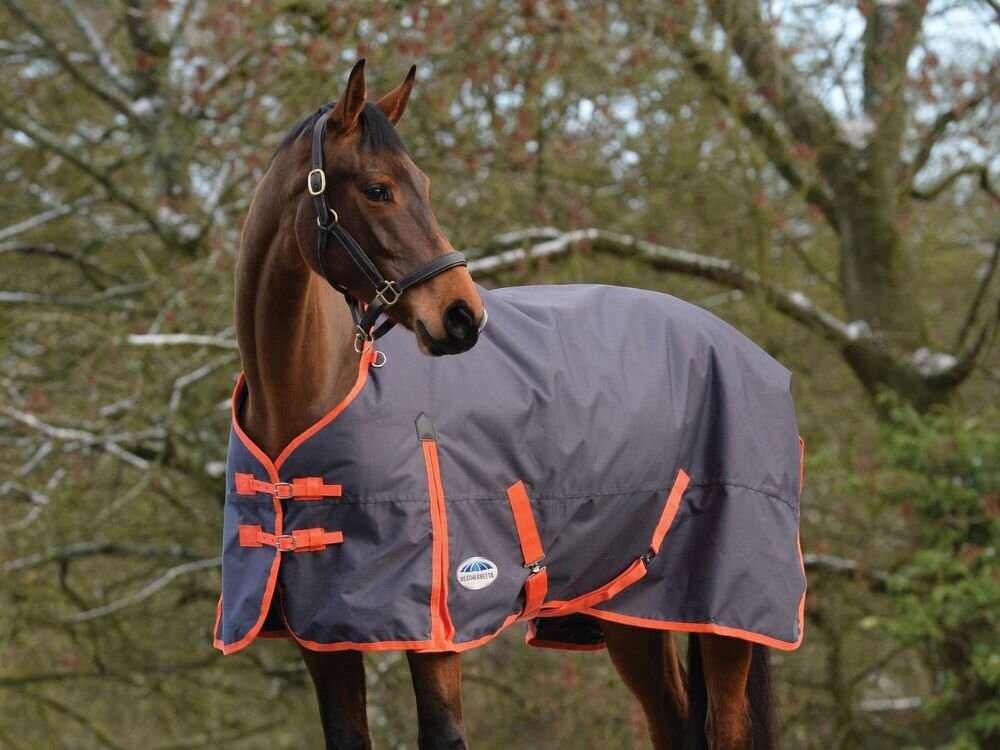
Blanketing your horse can feel like a guessing game. Do they really need it tonight? Is this blanket the right size? The truth is, safe blanketing is about more than just keeping your horse warm. It’s about comfort, fit, and choosing the right gear for the weather.
When Does a Horse Need a Blanket?

Blanketing isn’t a one-size-fits-all decision. Every horse is different, so it helps to think about your horse’s age, health, and living situation.
- 1. Age and health: Older horses, or those with health conditions, often need the extra warmth a blanket provides. Young, healthy horses with full winter coats usually tolerate the cold better.
- 2. Access to shelter: A horse with a run-in shed or barn can escape wind and rain. Horses left outside without shelter are more likely to need blanketing, especially during wet or windy weather.
- 3. Coat thickness: Horses with unclipped winter coats are naturally insulated. Clipped horses, on the other hand, lose that natural protection and will likely need a blanket.
Temperature Guide
- • Unclipped horses often handle temperatures down to the mid-20s without a blanket if they’re dry and sheltered.
- • Clipped horses need one when the thermometer dips below 50°F.
- • Weather plays a role, too. Wet, windy days make even mild temps feel colder to your horse.
Quick Reference: When to Blanket Temp Guide
Unclipped (healthy, with shelter)
Down to ~25°F if dry
Below 25°F, or if wet/windy
Clipped
Above ~50°F
Below 50°F, or in wet/windy weather
Senior / Foal / Thin Condition
Varies, often need light protection above 40°F
At 40°F and below, plus wet/windy weather
All Horses: Wet or Windy Conditions
N/A
Blanket at warmer temps than usual; rain + wind can make 45°F feel like the 30s
A Note on Blanket Types
Not all blankets are the same. Knowing the difference helps you pick the right option for your horse’s daily routine.
- • A stable blanket keeps your horse warm indoors but isn’t waterproof.
- • A horse turnout blanket is designed for the outdoors. It’s durable and water-resistant, protecting against cold and wet weather.
The key is matching the blanket to your horse’s routine so that your horse is protected wherever it spends its time.
Read Winter Horse Care Tips and Surviving Winter with Horses for more on winter horse care.
How to Measure a Horse for a Blanket
Getting the right fit starts with the correct measurement. Here’s how to measure your horse for a blanket:
- 1. Use a cloth measuring tape. A soft tape follows the shape of your horse’s body better than a metal one.
- 2. Stand your horse square. Make sure all four legs are underneath them so the body is balanced.
- 3. Start at the center of the chest. Place the tape where the blanket will begin.
- 4. Measure along the side. Run the tape across the widest part of the shoulder and flank until you reach the edge of the tail.
- 5. Check the number in inches. Most U.S. brands size blankets by inches. If your horse measures between sizes, round down to the nearest available size for the best fit.
Tip: Measure twice to double-check accuracy, and ask a helper to steady the tape if your horse gets the wiggles.
Horse Blanket Sizing Chart
Horse Size
Blanket Size (in inches)
Miniature Pony (under 38")
36 – 48
Pony (10hh to 14.2hh)
52 – 64
Cob (14.2hh to 15.2hh)
66 – 70
Medium-Sized Horse (15.3hh–16hh)
72 – 78
Large Horse (16.1hh–17hh)
78 – 82
Draft / XL Horse (17hh+)
84 – 86
Other Details That Affect Sizing
Length is the main factor in blanket sizing, but every horse has unique proportions. These extra checks help you fine-tune the fit.
- • Chest and neck width. Horses with broader shoulders or thicker necks may need more room. Measure across the widest part of the chest and from the withers to the point of the shoulder. This helps you spot if your horse might need a slightly different cut for comfort.
- • Back length. Some horses are long-backed, while others are short-coupled. Measuring from the withers to the base of the tail shows whether your horse’s proportions align with the blanket length you recorded.
- • Straps and adjustments. A properly sized blanket shouldn’t require every strap to be let out all the way. If the blanket only fits when maxed out or cinched tight, it’s not the correct size.
How to Safely Put On a Horse Blanket

Once you’ve got the right size, here’s how to put a blanket on a horse:
- 1. Approach calmly from the side. Let your horse see and hear you before you begin.
- 2. Place the blanket over the withers. Gently set it on the shoulders and slide it back into position.
- 3. Fasten the chest straps first. They should be snug but not tight. Make sure you can slip a hand between the strap and your horse’s chest.
- 4. Move to the belly straps. Secure them so you can fit about four fingers between the straps and the belly. Too loose is a tripping risk; too tight can rub.
- 5. Finish with the leg straps. Loop them so they cross between the hind legs to keep the blanket from shifting sideways.
- 6. Check the tail flap. It should end neatly at the top of the tail and not hang low.
- 7. Final fit check. Make sure your horse can move freely without rubbing at the shoulders, withers, or chest.
Safety Tips
- • Always work calmly and avoid rushing. Your horse will mirror your energy.
- • Double-check straps for twisting or tangles before walking away.
- • Inspect your horse daily for rub marks. Look at the shoulders, withers, and chest for early signs.
- • Watch the weather. If temps rise, your horse may not need the blanket for long.
Common Blanketing Mistakes to Avoid
- 1. Over-blanketing. Too many layers or a blanket that’s too heavy will cause sweating. A damp horse in cold weather is more at risk of chills than one left unblanketed.
- 2. Under-blanketing. On the flip side, not providing enough protection in wet, windy, or very cold weather will leave your horse shivering and stressed.
- 3. Using the wrong blanket type. A stable blanket isn’t designed for outdoor use, so sending your horse out in one will mean soaked fabric and lost warmth. Turnout blankets are built for outdoor weather.
- 4. Incorrect sizing. A blanket that’s too small will rub shoulders and withers, while one that’s too large will slip or twist, creating safety hazards.
Quick Fix Tips: Is Your Horse Too Hot or Too Cold?
- • Too hot? Slip a hand under the blanket. If your horse feels sweaty or damp, it’s time to remove the blanket or switch to a lighter one.
- • Too cold? Check the ears and behind the elbows. If they feel cold to the touch, your horse needs a heavier blanket.
- • Just right: Warm but dry skin with no shivering means your horse is comfortable.
Cozy, Safe, and Ready for the Cold

Think of blankets as part of your barn toolkit: a stable blanket for cozy nights inside, a turnout for braving the drizzle, and a few extras for those “just in case” days. With the right fit and a quick daily check, your horse stays comfortable no matter what Mother Nature throws at you.
And if you’re scratching your head over sizes or styles, you don’t have to figure it out alone! Stop by your local Wilco Farm Store, where our staff is happy to help, or shop online for horse blankets and turnout gear.


Store Hours
Monday to Saturday:
8 a.m. to 8 p.m.
Sunday: 9 a.m. to 6 p.m.

For questions or help with online orders call: (888) 78-WILCO
Limited to stock on hand. Some items may vary from photos. Because of store size limitations or geography, some items featured may not be available in all stores but will be made available by special order during sale periods at advertised prices. All sale prices listed as “dollars off” or “% off” are discounted from our regular posted shelf price, not from discounts given with specialty, bulk or pallet pricing. Reseller and Drop-shippers must contact us for pre-approval to place orders with the intent to re-distribute.
© 2025, Wilco Farm Store