


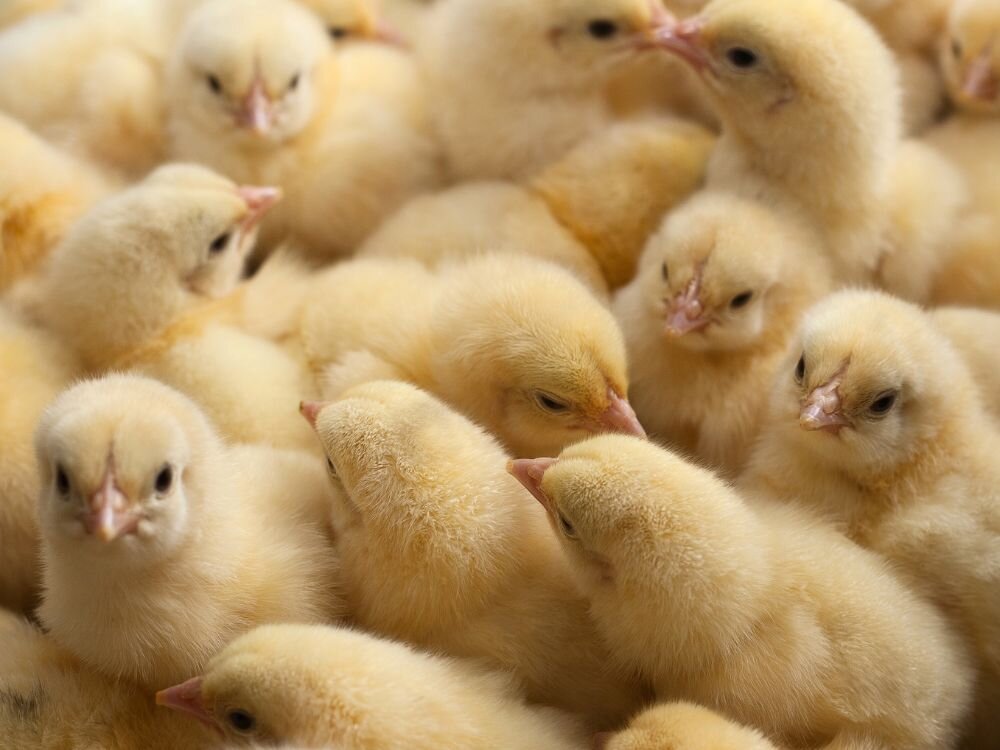
Getting organized before bringing young chicks home is important because they can’t regulate their body temperature, don’t yet recognize food or water, and are more likely to get sick when their environment isn’t stable.
Having everything set up ahead of time makes baby chick care much easier and helps your new flock settle in without stress.
Here’s what you need to have ready:
- Draft-free brooder
- Clean bedding
- Heat source
- Chicken feeder
- Starter feed
- Shallow waterer
- Simple cleaning routine
If you set all this up before your flock comes home, you’ll give them a steady start, and you’ll feel a lot more confident on day one.
Set Up a Safe Brooder Space

The brooder is your chicks’ temporary home, so it has to stay warm, clean, and secure. A good setup provides a steady start and alleviates the stress of those first few weeks.
What Is a Brooder and How Big Should It Be?
A brooder is an enclosed space where your chicks live until they’re fully feathered. It keeps them close to heat, food, and water while protecting them from drafts and curious pets or kids.
You can use a plastic tote or a wooden box. Just pick something sturdy and easy to clean.
For size, plan on at least ½ square foot per chick at the beginning. You’ll likely need to upgrade by week two or three as they grow and start testing their wings.
Enter Bedding
Good bedding helps chicks walk safely and keeps moisture under control. You’ll want about 1–2 inches of bedding in the brooder. That’s deep enough to give chicks good traction and absorb moisture, but not so deep that it becomes hard to keep clean.
Here are a few bedding options that work well:
- Pine shavings: Soft, warm, affordable, and the most common choice
- Hemp bedding: Absorbent and low-dust
- Paper pellets or shredded paper: Easy to find and simple to clean
However, skip cedar shavings. The strong oils can irritate their lungs.
Heat Source
You have two options as a heat source: heat plates or heat lamps.
Heat plates stay low and mimic a mother hen. They’re generally safer because they don’t get as hot and reduce fire risk. One heat plate can typically handle a group of 6–12 chicks. If you have more, you may need a second plate so everyone can fit underneath.
Heat lamps warm a larger area and are easier to adjust. One is usually enough unless the brooder is very large or kept in a cold space. Additionally, they must be secured very tightly. Even a small bump can cause an accident, so double-check the hardware and keep flammable materials out of the way.
A good rule of thumb: if all the chicks can comfortably gather under or near the heat source without crowding or piling, you have enough heat. If they’re pushing or stacking on top of each other, add another source or lower the one you have.
Whichever you choose, turn it on before chicks arrive so the brooder is already warm.
Temperature and Draft Management
Young chicks can’t regulate their own heat, so your brooder’s temperature matters every hour of the day. The helpful part is that chicks will tell you how they feel.
- Too cold: They huddle under the heat source and chirp loudly.
- Too hot: They spread out, pant, or lift their wings.
- Just right: They wander, eat, nap, and move freely about the brooder.
Aim for 95°F in week one, then lower it by about 5°F each week. Keep the brooder out of hallways or open rooms where drafts can sneak in.
A little observation goes a long way. If they look comfortable, they usually are.
What to Do If Your Heat Source Fails
If the heat goes out, your goal is to keep chicks warm without overheating them. Here are a few quick fixes to bridge the gap.
- Hand warmers wrapped in a towel: Place them in one corner of the brooder so chicks can move toward or away from the heat.
- A smaller emergency brooder: A small box or tote will hold heat better than a large space.
- Covering the brooder (with ventilation): A light blanket or towel helps trap warmth, but leave gaps for fresh air to circulate.
These tricks buy you time until you repair or replace the main heat source. Keeping backup supplies on hand helps avoid a stressful scramble.
- Extra heat lamp bulbs
- A backup heat plate
- A small space heater for the room (never inside the brooder)
Get the Right Feed and Water Setup Ready

Chicks should start eating and drinking as soon as they get home.
Starter Feed
When feeding baby chicks, starter feed is the only thing they need at this stage. Starter crumble is easy for tiny beaks to pick up and has the right protein level for early development. You can choose a medicated or an unmedicated starter.
- Medicated starter helps prevent coccidiosis, a common chick disease found in the soil.
- Unmedicated starter works if chicks are vaccinated or you prefer a natural approach
Whichever you choose, plan on about 1 pound of feed per chick per week during the early stage. Chicks don’t eat much at first, but their intake rises quickly as they grow, so make sure the feed is available throughout the day.
Additionally, one feeder is usually enough, as long as all the chicks can eat without pushing or climbing over each other. For larger groups (12 or more), adding a second feeder helps prevent crowding.
Shop Poultry Feeders↗ | Shop Starter Feed↗
Water
Chicks dehydrate quickly, so having at least one reliable water source (and checking it often) is one of the most important parts of baby chick care.
Offer room-temperature water, which is easier on their systems after travel. Adding electrolytes for the first 24–48 hours helps chicks recover from transport stress.
When you place each chick into the brooder, gently dip its beak into the water. This simple step teaches them where to drink and helps prevent dehydration.
For most small flocks, one waterer or fount is enough, but a second waterer is helpful if:
- You have 12 or more chicks.
- You’re using a larger brooder where chicks might get “stuck” on one side.
- You want a backup in case one spills or gets dirty.
Daily Hygiene and Cleaning Routine to Keep Chicks Healthy
Chicks grow fast, and so does the mess, so a simple daily routine keeps their space safe and reduces the risk of most early health problems.
Each day:
- Spot-clean bedding. Remove wet or dirty patches and fluff the clean bedding so it stays dry. Damp spots can lead to chills or respiratory issues.
- Rinse and refill waterers. Chicks kick shavings into everything. Fresh water keeps them drinking often, which helps prevent pasty butt and dehydration.
- Make sure the air feels fresh, not dusty or damp. Good airflow helps keep dust down and protects tiny lungs. If the brooder smells musty, it’s time for a deeper clean or fresh bedding.
- Wipe down feeder edges. Crumbles can clump with moisture, making it harder for chicks to eat.
- Look for changes in chick behavior. Lethargy, loud chirping, or crowding in one corner often signals something off with temperature or cleanliness.
- Check vents for signs of pasty butt (more on this below). A quick look can take seconds and prevent a life-threatening blockage.
Common Chick Health Issues
Even with good daily hygiene, chicks can still run into a few early health problems, so it helps to know what warning signs to watch for.
A few of the big ones include:
- Pasty butt: Droppings stick around the vent and block waste. Check daily and gently clean with warm water if you notice buildup. After cleaning, dry the area well and keep the brooder warm since chills can cause it to come back.
- Coccidiosis: This intestinal illness shows up as bloody droppings, low energy, or chicks huddling even when the brooder is warm. If you suspect it, separate the sick chick, keep the brooder extra clean, and contact a vet or your local farm store for treatment options.
- Respiratory concerns: Sneezing, clicking sounds, watery eyes, or gasping can signal a drafty brooder or poor air quality. If you notice these signs, check the brooder temperature, remove any dust or damp bedding, and adjust the airflow to keep the space warm but not stuffy. If symptoms don’t improve, reach out to a vet or experienced chicken keeper for guidance.
If something feels “off,” trust your instincts and take a closer look. Most issues appear fast, but so do improvements once the problem is fixed.
When to Call a Vet or Ask for Help
If a chick seems weak, refuses food or water, struggles to breathe, or doesn’t improve with basic care, reach out for help.
Local vets, experienced chicken keepers, or Wilco’s Farm Store poultry staff can point you in the right direction. Asking early is always better, especially with fast-changing chicks.
Transporting Chicks Home

The trip home is one of the most stressful moments for baby chicks, so proper transport keeps them warm, calm, and less likely to face early health problems.
Keep Chicks Warm but Not Overheated
Most stores send chicks home in a small cardboard box, which works well because it’s dark, breathable, and helps them feel secure. If you bring your own container, choose something small with air holes since big spaces lose heat fast.
Keep the car warm but not hot. You don’t need a heat lamp for the ride. Your vehicle’s cabin temperature is usually enough. Just avoid placing the box near vents where warm or cold air blows directly on them.
Avoid Drafts and Sudden Temperature Changes
Chicks chill quickly, especially during early spring weather. Keep windows closed and place the box on a flat, sheltered surface, like a seat or floorboard. If it’s windy or cold outside, carry the box close to your body when walking to the car to keep drafts off the chicks.
Go Straight Home
This is not an “I’ll just swing by the store” kind of day. Chicks need to get into their warm brooder as soon as possible. The longer they stay in the travel box, the higher the chance of stress, dehydration, or temperature problems. Head straight home, settle them into the brooder, and let them rest before you start handling them.
Frequently Asked Questions About Baby Chicks
How often should I clean the brooder?
Light cleaning happens daily, but a full bedding change is typically every 3–5 days (depending on how messy the chicks are).
Should chicks have light at night?
They need darkness at night to rest. Heat plates naturally allow this, but heat lamps should be adjusted so the brooder stays warm without flooding the entire space with bright light.
Can I keep chicks in the house?
Yes, but be ready for dust and noise. Most people move the brooder to a garage, mudroom, or spare room after the first week.
How long do chicks stay in a brooder?
Most chicks stay in a brooder for 6–8 weeks, or until they’re fully feathered and can handle cooler temperatures without help.
How soon can chicks go outside?
Short, supervised outdoor visits can begin around 3–4 weeks on warm, calm days. Full-time outdoor living typically begins at 6–8 weeks, once they’re feathered and the weather is mild.
How much time should I spend handling my chicks?
Short, gentle handling sessions are great once they’ve rested from the trip home. A few minutes a day helps them bond with you without overwhelming them.
Can different breeds live together?
Yes. Most breeds mix well as long as they’re the same age and similar size. Personality varies, but starting them together as chicks usually keeps things peaceful.
But if you’re introducing new breeds to your existing flock, check out How to Introduce New Chickens to Your Flock first.
Do chicks need grit?
If you’re feeding only starter crumble, they don’t need grit yet. They only need chick-sized grit if you’re offering your chicks something other than starter feed.
Read What to Feed Your Chickens: Chicken Food Guide for more help.
A Prepared Brooder Makes Strong, Healthy Birds

By planning ahead, you’re not just avoiding stress. You’re giving your chicks the kind of start that supports them for the rest of their lives.
Visit your local Wilco Farm Store or shop online for chick-season essentials. And once everything is ready, you’ll be able to sit and enjoy those first chirps. Cheep, cheep!


Store Hours
Monday - Saturday 7am - 8pm, Sunday 9am - 6pm

For questions or help with online orders call: (888) 78-WILCO
Limited to stock on hand. Some items may vary from photos. Because of store size limitations or geography, some items featured may not be available in all stores but will be made available by special order during sale periods at advertised prices. All sale prices listed as “dollars off” or “% off” are discounted from our regular posted shelf price, not from discounts given with specialty, bulk or pallet pricing. Reseller and Drop-shippers must contact us for pre-approval to place orders with the intent to re-distribute.
© 2026, Wilco Farm Store