

Cold Weather Hoof Care to Keep Horses & Livestock Healthy All Winter
November 26, 2025
Livestock & Farm
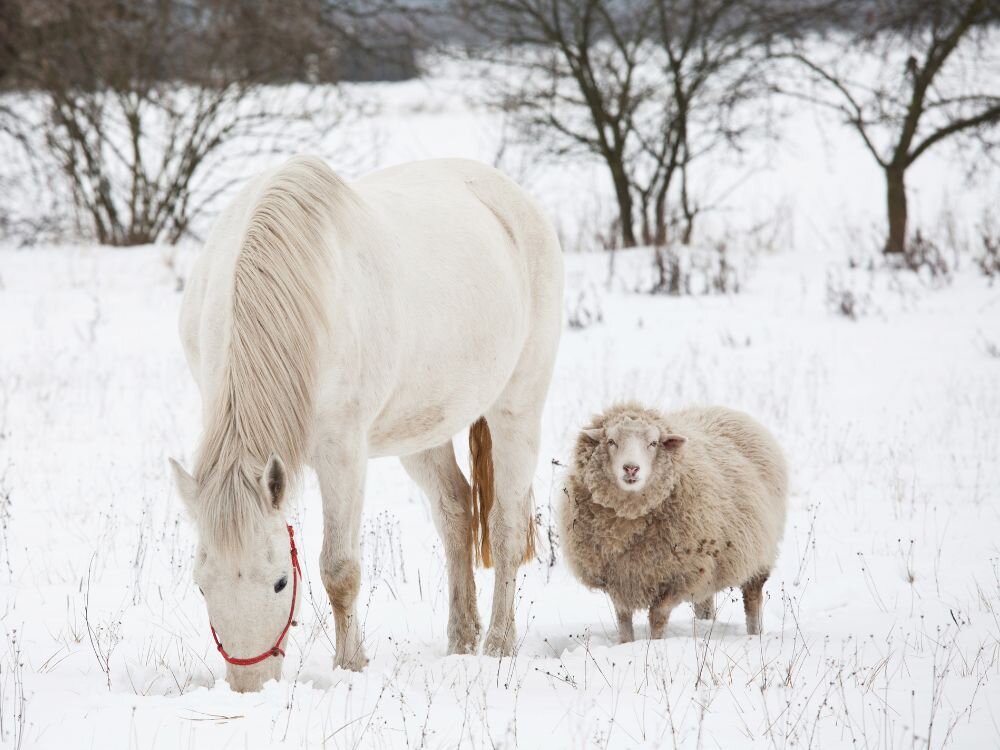
Cold and wet conditions alter how hooves wear, grow, and resist bacterial infections. In winter, horses and livestock face a mix of challenges that can lead to cracks, infections, or tenderness if not managed early. That’s why cold-weather hoof care becomes so important once temperatures start dropping.
How Winter Conditions Affect Hoof Health
• Freeze–thaw cycles are one of the biggest culprits. As moisture seeps into the hoof and then freezes, it can cause cracking, brittleness, or softening of the horn.
• Mud and manure buildup are another concern. When hooves stay packed with debris, oxygen can’t reach the surface. This creates perfect conditions for bacteria and fungi that lead to thrush in horses or foot rot in livestock.
• Reduced circulation also affects growth and horn quality. Horses or other hoofed animals that move less during winter or spend more time on frozen, uneven ground may experience slower hoof growth and weaker walls.
• Hidden ice can cause bruising, abscesses, or lost shoes when animals slip or land on uneven frozen surfaces.
Winter Hoof Care for Horses

By combining prevention with a consistent routine, you can protect your horse’s hooves from the season’s most common problems.
Daily & Weekly Hoof Care Routine for Horses
A few minutes a day of hoof care keeps your horses sound and comfortable all winter.
1. Clean and inspect hooves daily.
Take a few minutes to pick out each hoof and remove packed snow, ice balls, or debris. Frozen buildup changes how hooves land and can strain joints or cause bruising.
While you’re at it, check for warmth, swelling, or tenderness, all early signs of potential abscesses or infection.
2. Check hooves for cracks, thrush, and odor.
Winter moisture often masks hoof issues until they become advanced. Look for black residue or a sour smell, which can indicate thrush or bacterial infection.
If you notice early symptoms, act fast. Refer to the next section for more information and help.
3. Use protective hoof boots.
When riding or turning out on icy, rocky, or uneven ground, boots offer traction and keep hooves clean and dry.
Horse boots are great for both short-term protection and everyday comfort. They’re especially helpful for horses prone to bruising or cracking.
4. Trim hooves on schedule.
Even though hooves grow more slowly in cold weather, they still need regular balancing. Uneven edges crack more quickly when frozen, and long toes increase the likelihood of slips.
Work with your farrier to maintain a steady trimming schedule throughout the season. It’s easier to prevent problems than to fix them mid-winter.
5. Maintain dry footing.
Rotate turnout areas to allow resting pastures to dry out, and add gravel or rubber mats near high-traffic zones like gates and waterers. Wood bedding pellets can also be used for a temporary solution for muddy areas.
Dry, firm footing helps horses maintain tough, healthy hooves throughout the freeze-thaw cycle.
Common Winter Hoof Problems (and Prevention Tips)
Thrush
This bacterial infection thrives in wet, dirty environments like muddy paddocks or damp stalls. It attacks the frog and can cause a foul odor, black discharge, and tenderness.
Prevention: Keep footing dry, clean hooves daily, and use antimicrobial sprays or treatments. For full prevention and treatment details, read Equine Thrush: How to Treat & Avoid It.
White Line Disease
When moisture or debris becomes trapped in the hoof wall, separation can occur between the outer and inner layers of the hoof wall. This creates pockets where fungi and bacteria grow, weakening the structure.
Prevention: Maintain regular farrier visits, keep turnout areas clean and dry, and use sealants on healthy hooves to reduce water infiltration.
Hoof Abscesses
These painful infections often form when bruises or cracks allow bacteria inside the hoof. In winter, they’re commonly caused by ice, hard ground, or trapped debris.
Prevention: Support healthy horn growth with a balanced diet and equine hoof care supplements (discussed further below), and consider hoof boots for protection during turnout on frozen terrain.
Winter Hoof Care for Livestock (Cloven Hooves)

While the same weather patterns affect all hooves, cloven-hoofed animals (like goats, sheep, and cattle) require slightly different management during winter.
Daily & Weekly Hoof Care Routine for Livestock
A few minutes of observation and upkeep each day helps keep goats, sheep, and cattle steady on their feet all winter.
1. Inspect animals daily.
Watch your herd as they move around during feeding or turnout. A limp, short stride, or reluctance to walk can signal early hoof pain or infection.
If an animal seems off, check between the claws for packed mud, manure, or small stones that may have lodged in the cleft.
2. Keep pens clean and dry.
Wet bedding and manure buildup are major causes of foot scald and rot. Clean high-traffic areas daily and add fresh, dry bedding as needed.
Pay special attention near feeders and water troughs, where hooves often stay wet the longest.
3. Trim hooves regularly.
Even in cold weather, hooves continue to grow. Trimming keeps claws balanced and prevents overgrowth that can trap moisture or cause animals to walk unevenly.
Schedule trims every 8–12 weeks, or more frequently if the ground remains soft and muddy.
4. Use foot baths to prevent infection.
Run animals through a zinc sulfate or copper sulfate bath on a weekly or biweekly basis to kill bacteria and toughen the hoof surface.
Dry feet thoroughly afterward and replace the foot bath solution regularly for best results.
5. Maintain solid, dry footing.
Add gravel, sand, or mats in gateways and around feeding areas to improve drainage.
Rotating pens during wet weather helps prevent mud buildup and gives hooves time to dry out.
Common Winter Problems for Livestock (and Prevention Tips)
Foot Scald / Foot Rot
Constant moisture and muddy conditions soften the tissue between the claws, allowing bacteria to invade. Foot scald can quickly develop into foot rot if left untreated, resulting in lameness and pain.
Prevention: Regularly trim hooves to remove excess growth, provide dry bedding, and use foot baths containing zinc sulfate or copper sulfate to reduce bacterial buildup.
Sole Bruising and Overgrowth
Frozen, uneven ground can cause pressure points and pain in untrimmed hooves.
Prevention: Maintain regular trimming every 8–12 weeks and provide firm, dry footing to reduce stress.
Nutrition for Strong, Healthy Hooves
Strong hooves start from the inside out, and winter is the perfect time to double-check that your animals are getting everything they need.
• Biotin, methionine, zinc, and copper are the foundation of healthy hoof walls. These nutrients work together to strengthen horn structure and support new growth. You might notice brittle walls, cracking, or slow healing after trims if your horse or animal isn’t getting enough. Supplementing with quality hoof care products (like Horse Guard or MannaPro) fills in the gaps, especially for horses or livestock with brittle or slow-growing hooves.
• Omega fatty acids help maintain hoof moisture and flexibility. Dry winter air and frozen ground can make hooves brittle, but good fat sources (such as flaxseed, rice bran, or omega-rich supplements) balance internal hydration and promote a natural shine.
• Protein quality matters too. Keratin (the primary building block of hooves) relies on amino acids from high-quality protein. Horses and livestock need consistent access to protein-rich forages or feeds, even during the off-season.
• For goats, sheep, and cattle, look for targeted mineral mixes, such as Purina Wind and Rain Mineral, which deliver the right trace minerals for tough, balanced hooves year-round.
Experts at Horse Guard note that it can take 8 to 16 months for a new hoof wall to fully grow in. Consistent supplementation helps build stronger, longer-lasting hooves from the inside out, so stay patient with the process.
For more tips on nutrition-based hoof care, see Wilco’s Feeding for Hoof Health guide.
Moisture Management
Winter weather tends to swing between soaking wet and bone dry, and hooves react to both extremes. Managing that moisture balance is a key part of winter hoof care.
Too wet, and the hoof softens, making it easier for bacteria and fungi to take hold. Constant exposure to mud or manure breaks down the hoof wall and sole, leaving horses and livestock vulnerable to hoof diseases.
Too dry, and the hoof loses its natural elasticity. When animals spend more time indoors, low humidity and bedding dust draw moisture out of the hoof, causing cracks and brittleness that worsen with every freeze–thaw cycle.
Here’s how to find the right balance:
• Use topical hoof dressings sparingly. A light coating of conditioner helps lock in moisture, but too much traps bacteria.
• Keep stalls dry with moisture-wicking bedding. Wood pellets or shavings help absorb wetness and keep the hoof surface clean. Avoid standing water or damp mats that soften the hoof over time.
• Apply sealants only to clean, dry hooves. Sealants protect against external moisture, but if applied to dirty or damp hooves, they trap bacteria instead of blocking it.
Winter Hoof Care: Horses vs. Livestock

Aspect
Equine Hooves (Single-Toed)
Cloven Hooves (Sheep, Goats, Cattle)
Structure & Growth
One solid hoof wall with a frog; it grows continuously and requires balanced trimming.
Two-part hoof (toes with cleft); growth is slower, but prone to uneven wear and debris buildup.
Main Winter Challenges
Thrush, white line disease, abscesses, brittle hoof walls, snow/ice packing.
Foot rot, foot scald, overgrown toes, and sole bruising from frozen or uneven ground.
Environment Risks
Ice, snow, and mud soften or crack hoof horn; poor drainage increases infection risk.
Wet pens, muddy lots, and frozen manure trap bacteria between claws.
Daily Care Routine
Pick hooves daily to remove ice/mud, check frog and sole, apply conditioner or sealant as needed.
Keep bedding dry, trim regularly, and check between toes for moisture or odor.
Trimming Schedule
Every 6–8 weeks (don’t skip winter trims).
Every 8–12 weeks, depending on growth and terrain.
Nutritional Support
Biotin, methionine, zinc, copper, and omega fatty acids for hoof strength.
Balanced minerals and vitamins A, D, and E to support hoof horn integrity.
Preventive Products
Hoof picks, topicals, supplements, and protective hoof boots.
Foot baths, mineral supplements, livestock treatments.
A Little Extra Care Keeps Every Step Sound
Winter care is really about small habits that add up. A few minutes a day to pick hooves, check footing, and feed the right minerals makes a big difference once the temperatures drop.
Visit your local Wilco Farm Store or shop hoof care products online for trusted topicals, supplements, and expert advice from our team. We’ll help you find exactly what you need to keep every step steady until spring.


Store Hours
Monday - Saturday 7am - 8pm, Sunday 9am - 6pm

For questions or help with online orders call: (888) 78-WILCO
Limited to stock on hand. Some items may vary from photos. Because of store size limitations or geography, some items featured may not be available in all stores but will be made available by special order during sale periods at advertised prices. All sale prices listed as “dollars off” or “% off” are discounted from our regular posted shelf price, not from discounts given with specialty, bulk or pallet pricing. Reseller and Drop-shippers must contact us for pre-approval to place orders with the intent to re-distribute.
© 2026, Wilco Farm Store