


Dormant Spraying 101: A Late Winter Guide to Healthier Fruit Trees & Roses
January 21, 2026
Gardening & Plants
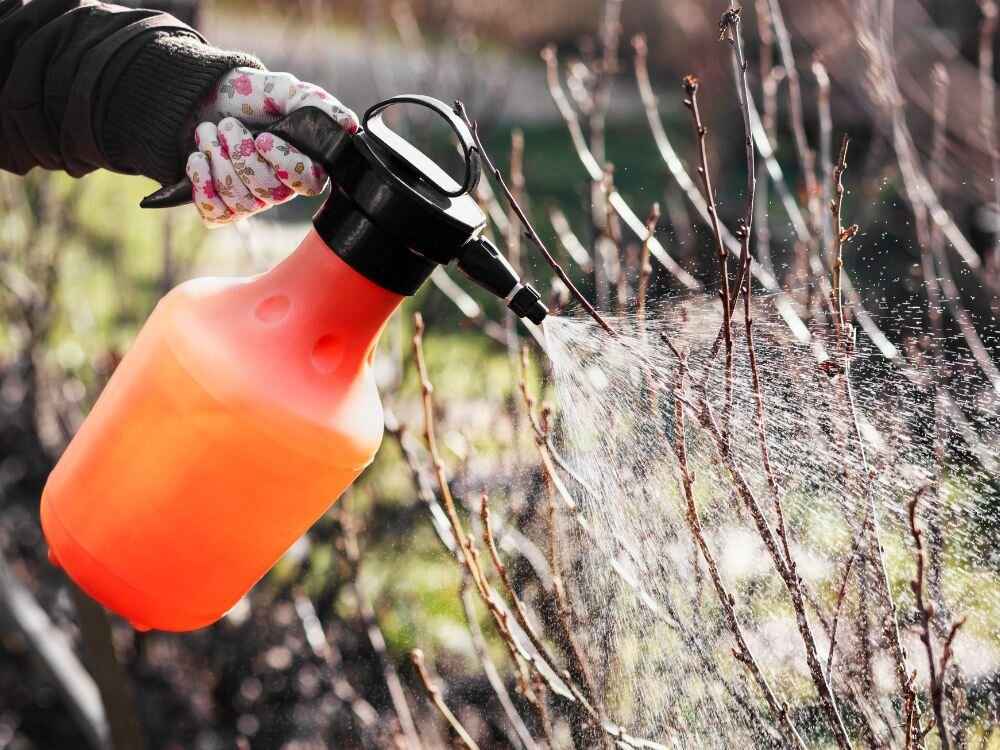
Late winter is when smart garden work happens. Trees and roses may look bare, but pests and disease are still hanging on, waiting for spring. By applying dormant oil during this short window, you’re protecting fruit trees and roses at their most vulnerable point.
What Is Dormant Spraying?

Dormant spraying is the practice of applying dormant oil or other approved treatments to trees and shrubs while they’re dormant in the winter. By spraying now, you can control pests that overwinter on bark, branches, and stems and give your plants a cleaner start in spring.
Dormant spray works best on fruit trees, roses, and other woody plants that deal with recurring pest or disease issues year after year.
It is NOT intended for vegetables, annual flowers, or plants that remain green year-round.
What Does Dormant Oil Spray Do?
Dormant oil is a heavier, highly refined oil that works by coating insects and eggs on bark and branches. Common targets include aphids, scale insects, mites, spider mites, and blister mites that hide in bark cracks and branch joints. Dormant oil spray targets problems you can’t always see, but they’re there.
Here’s how it helps:
- Smothers insect eggs and larvae. Dormant oil coats eggs and young insects hiding in bark cracks, cutting off their air supply before they can hatch.
- Helps reduce common diseases before bud break. Many fungal diseases survive winter on branches and buds. A well-timed dormant spray helps knock them back before new growth appears.
- Supports long-term tree and plant health. Fewer pests and diseases early on means less stress later. Trees and roses can focus on growing instead of fighting damage when spring arrives.
Other Types of Dormant Sprays
Copper Dormant Spray (Liquid Copper)
Copper dormant spray is a fungicide (not an insecticide). It’s used to prevent diseases that survive winter on branches, buds, and bark.
Copper sprays are especially helpful for fruit trees that struggle with recurring disease issues. They work best when applied while plants are fully dormant, before growth begins.
Diseases copper dormant spray helps manage include:
- Apple scab
- Fire blight
- Anthracnose
- Peach leaf curl
- Horticultural Oil
Horticultural oil is lighter than dormant oil and can be used during the growing season on certain plants (depending on the product). It’s often used for in-season pest control when plants are leafed out.
While horticultural oil can sometimes be used during dormancy, it’s not a replacement for dormant oil when trees or woody plants are fully asleep.
Using More Than One Spray
In some cases, growers apply dormant oil and liquid copper together (if both products allow it) to control insects and disease in a single application. Always read the product instructions to make sure products are compatible and used correctly.
When Should You Spray Dormant Oil?

Dormant oil spray should be applied in late winter or very early spring, once the coldest weather has passed but before buds start to open. This timing lets the spray do its job without harming new growth.
Hitting that window is one of the most important parts of dormant spraying. Too early and cold can reduce effectiveness. Too late, and you risk damaging tender buds.
Ideal Weather Conditions
Weather matters just as much as timing. For dormant oil to work well, aim for:
- Temperatures above freezing. Most labels recommend temperatures of 40°F or warmer so the oil spreads evenly.
- No rain or wind for at least 24 hours. Calm, dry weather helps the spray stick instead of washing or blowing away.
- Plants are fully dormant. Branches should be bare, with no green tips or swelling buds.
- Trees and plants should be well hydrated before spraying, so avoid applying dormant spray during extended dry spells.
Timing by Plant Type
Different plants wake up at different speeds, so timing matters.
- Fruit trees: Spray before bud swell. Look for tight, closed buds with no green showing. If you see green tips or buds starting to puff up, it’s too late for dormant oil.
- Roses: Apply after pruning but before new growth appears. Canes should be bare, and buds should look firm and dry, not soft or leafy.
Read Caring for Dormant Roses for more information.
How to Apply Dormant Spray
Applying dormant oil spray isn’t complicated, but how you apply it matters. Even coverage helps the spray work as intended, while rushing or spraying at the wrong time can reduce results* or stress plants. A steady, careful approach makes all the difference.
Before you start, gather a few basics so you’re not stopping mid-spray:
- Dormant oil spray – Choose a product specifically labeled for use on fruit trees or roses.
- Hose-end or pump sprayer – Use what fits your space. Hose-end sprayers work well for larger trees.
- Protective gloves and eyewear – This keeps spray off your skin and out of your eyes.
(*Before mixing or spraying, always read the product label for plant compatibility, timing, and safety guidelines.)
Step-by-Step Application
Once you’re ready, follow these steps:
- Mix according to label directions. More isn’t better here. Follow the label instructions so the oil coats properly without harming plants.
- Spray trunk, branches, and joints thoroughly. Focus on cracks, crevices, and branch unions where insects hide. The goal is full coverage, not runoff.
- Use a coarse spray pattern, not a fine mist. Larger droplets stick better to bark and are less likely to drift in light wind.
- Spray until branches look evenly wet, especially around rough bark, joints, and pruning cuts, but stop short of heavy dripping.
- If using an oil and copper mix, gently agitate the spray mixture while spraying so it stays evenly mixed.
Dormant Spraying Questions

Is dormant spray safe for beneficial insects?
Yes. Dormant spraying is done while plants are inactive, so beneficial insects like bees aren’t present. That’s one reason many gardeners prefer this approach. It targets pests before pollinators return.
How often should dormant spraying be done?
In most cases, once per year is enough. Some growers repeat a second application if pest pressure was heavy the previous season, but only if the spray they are using allows it.
Can dormant spray be used on young trees?
Dormant spray can be used on young trees once they’re established and fully dormant. Avoid spraying newly planted trees in their first season, and always follow label directions to prevent stress.
A Simple Winter Step for Healthier Growing Seasons
Dormant spraying is one of those late-winter jobs that pays off long after you’ve put the sprayer away. By treating fruit trees and roses while they’re still dormant, you reduce pest pressure early and give plants a cleaner start when growth begins.


Store Hours
Monday - Saturday 7am - 8pm, Sunday 9am - 6pm

For questions or help with online orders call: (888) 78-WILCO
Limited to stock on hand. Some items may vary from photos. Because of store size limitations or geography, some items featured may not be available in all stores but will be made available by special order during sale periods at advertised prices. All sale prices listed as “dollars off” or “% off” are discounted from our regular posted shelf price, not from discounts given with specialty, bulk or pallet pricing. Reseller and Drop-shippers must contact us for pre-approval to place orders with the intent to re-distribute.
© 2026, Wilco Farm Store