


Easy Ways to Keep Your Pet’s Teeth Clean Without Daily Brushing
February 18, 2026
Pet & Grooming
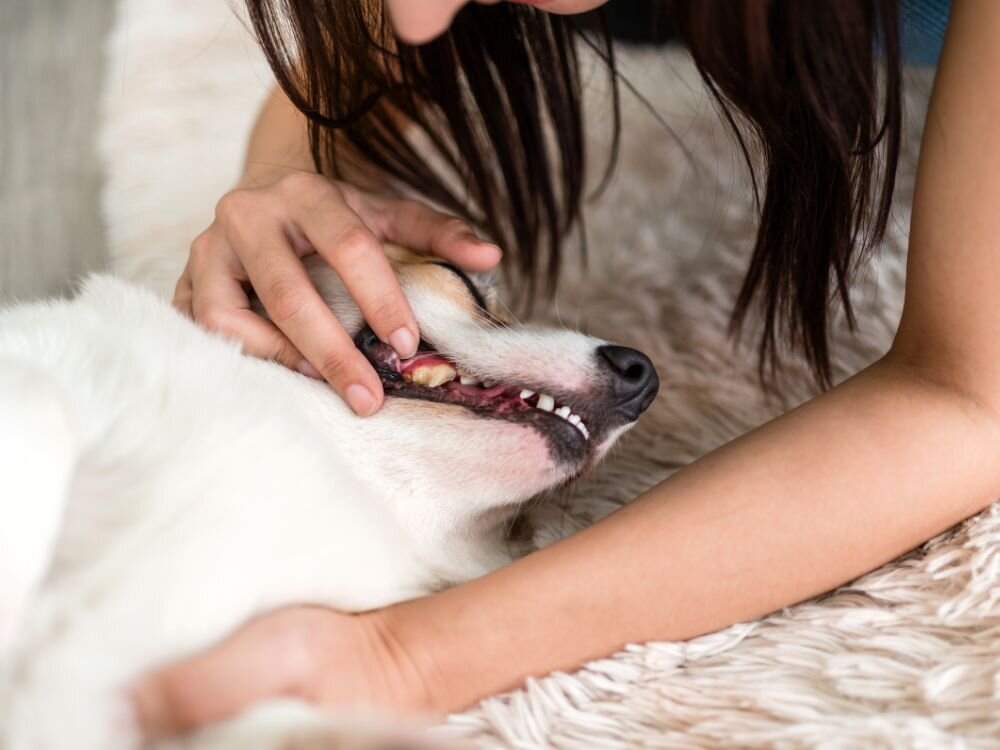
If you’ve tried to clean your dog’s teeth or cat’s teeth and felt like it turned into a wrestling match, you’re not alone. Tooth brushing sounds simple on paper, but in real life with real pets, it's a different story.
Why Brushing Your Pet’s Teeth Can Be So Difficult

- A pet’s mouth is sensitive. Fingers, brushes, toothpaste flavors, and unfamiliar textures can feel overwhelming, especially for pets that don’t love being handled. What feels like a quick task to you feels intrusive to them.
- Pets remember discomfort. If brushing was rushed, awkward, or unpleasant early on, they may resist it later. Even one bad experience can be enough to make them pull away the next time you reach for the toothbrush.
- Daily brushing takes time, patience, and routine. Between work, school, chores, and everything else going on at home, it’s easy for your pet’s dental care to slide down the list. Miss a few days, and starting again can feel even harder.
If brushing hasn’t worked for your household, you just need a different approach.
What Happens If You Don’t Clean Your Pet’s Teeth?
When pet teeth aren’t cleaned regularly, plaque builds up, and that buildup can develop into serious health problems over time.
It usually follows a simple chain reaction:
- Plaque turns into tartar. After your pet eats, bacteria mix with food particles to form plaque. If it isn’t removed, plaque hardens into tartar within days. Tartar sticks tightly to teeth and can’t be brushed away easily at home.
- Tartar leads to gum inflammation. As tartar builds up along the gumline, it irritates the gums. They may look red, swollen, or bleed more easily.
- Untreated buildup can cause pain and infection. Over time, bacteria can move below the gumline. This leads to infections, loose teeth, and significant discomfort. Pets often hide pain, so dental disease can progress quietly before you notice symptoms.
- Eventually, teeth can be lost. When an infection damages the tissues and bones that support the teeth, tooth loss becomes more likely.
Is Brushing the Only Way to Maintain a Pet’s Dental Health?
Brushing is helpful, but it’s not the only option. For many households, a mix of tools works better. What follows are several options you can use for your dog or cat that provide regular dental care.
Low-Stress Ways to Clean Your Dog’s Teeth

These approaches fit easily into daily routines and go a long way toward better dog dental hygiene.
1. Dental Treats and Chews
Dog dental chews work through simple mechanics. As your dog chews, the texture helps scrape plaque off the teeth. This action is especially helpful along the gumline, where buildup often begins.
Here’s what to look for:
- A firm (not brittle) texture that encourages chewing
- Sizes matched to your dog’s breed and jaw strength
Some dental treats also add brushing-style textures to make chewing more effective. Products like Woof Bite N Brush use ridges and grooves designed to rub against teeth as dogs chew, turning treat time into a light cleaning session.
Pet dental treats are great for maintaining and preventing dental issues. However, they don’t replace professional cleanings if tartar is already heavy or gums are inflamed.
2. Water Additives
Water additives mix right into your dog’s drinking bowl. As your dog drinks throughout the day, the solution helps reduce bacteria that contribute to plaque and bad breath.
These are especially helpful for picky or anxious dogs that resist having their mouths touched or for busy households (since they don’t require extra steps once added to the water).
While water additives won’t remove hardened tartar, they help slow buildup and support overall mouth health when used consistently.
3. Dental Wipes and Finger Cleaners
Pet dental wipes and finger cleaners are a good option for dogs that won’t tolerate a toothbrush but allow mouth contact. Using these tools lets you gently rub the teeth and gumline without the pressure or awkward angles of brushing. Even light wiping helps loosen plaque and remove surface buildup.
For many dogs, this feels less intrusive and is easier to repeat regularly.
4. Toothpaste Without a Brush
Dog toothpaste or gel doesn’t require aggressive brushing to be useful. It’s made to spread across the teeth with minimal contact and is safe for your dog to swallow.
Applied with a wipe or finger applicator, toothpaste helps manage plaque bacteria and supports healthier gums. For many dogs, this lighter approach is a comfortable starting point and often makes it easier to build a routine they’ll tolerate over time.
Low-Stress Dental Care Options for Cats

Cats tend to be more sensitive to handling, especially around the face and mouth. These options focus on working with their natural behaviors instead of trying to restrain them.
1. Dental Treats
Cat dental treats are typically larger than standard kibble and have a specific shape that encourages cruching. That crunch helps scrape plaque from the tooth surface while your cat eats.
Like with dogs, treats work best as maintenance and not a replacement for veterinary care if dental disease is already present.
2. Food and Additives
Some cat foods are formulated with a texture that resists crumbling, allowing the kibble to clean teeth as your cat chews. Supplements and water additives also help reduce bacteria that contribute to plaque and odor.
For many cats, the goal is to minimize stress. Adding dental-support foods or additives lets you care for their teeth without holding, brushing, or forcing anything.
3. Dental Toys
Some cats respond better to play than food-based options. Dental toys designed for chewing help support feline tooth care while fitting naturally into your cat’s routine.
For example, catnip-infused chew toys made with textured surfaces gently rub against teeth as cats bite and chew. The added catnip encourages engagement, making your cat more likely to use the toy.
Silvervine sticks are another popular option. Many cats find silvervine even more appealing than catnip. As cats chew and gnaw on the stick, the texture provides light mechanical cleaning that can help reduce surface buildup.
With cats, choosing options that fit their temperament helps protect their teeth while keeping daily life calm for both of you.
How Often Do You Need to Use These Dental Care Methods?

Dental care works best when it fits into everyday life. A simple routine done regularly supports long-term dental health far better than an ideal plan that never happens.
Daily options (easy to keep up with):
- Water additives or oral rinses added to their bowl
- Dental-support foods used at mealtime
- Gels or toothpaste applied with a finger or wipe
These options work gradually, so daily use helps slow plaque buildup and supports healthier gums over time.
Weekly options (support and reinforcement):
- Dog dental chews a few times per week
- Cat dental treats used consistently but in moderation
These help mechanically reduce plaque and provide an extra layer of protection, especially when brushing isn’t part of your routine.
Combining Methods Works Better Than Relying on Just One
For example, a daily water additive plus dental chews a few times a week covers both bacterial control and mechanical cleaning. This mix is often more effective and easier than trying to do everything perfectly.
Why Consistency Matters More Than Perfection
Missing a day here and there won’t undo your efforts. What matters is choosing methods you’ll actually use and sticking with them long term. Steady habits support healthier mouths and make dental care more manageable.
Signs Your Pet Needs Professional Dental Care

At-home care helps, but some dental problems need a vet’s attention. If you spot any of these signs, it’s time to schedule a professional exam.
- Bad breath that doesn’t improve. Occasional odor happens, but persistent, strong breath can signal infection or advanced buildup.
- Drooling or pawing at the mouth. These behaviors often indicate pain, irritation, or a tooth bothering your pet.
- Red, swollen, or bleeding gums. Healthy gums should be pale pink. Redness or bleeding is a common sign of inflammation or gum disease.
- Changes in appetite or behavior. Eating less, chewing on one side, dropping food, or acting withdrawn can all be signs of mouth pain.
Daily pet teeth cleaning routines help protect your pet’s dental health, but they don’t replace regular veterinary exams. A vet will catch problems below the gumline and recommend the right next steps.
If something feels off, trust your gut. Early care is usually easier on your pet and your wallet.
A Cleaner Mouth Without the Stress
Keeping your pet’s teeth clean doesn’t have to mean daily battles or perfect routines. What matters most is finding easy dental habits you can keep up with. Because small, consistent steps support healthier mouths, fresher breath, and fewer surprises at the vet.
Stop by your local Wilco Farm store or shop online for all your pet’s dental cleaning needs.
Or connect with your Wilco Groom Shop to add teeth brushing to any full-service grooming appointment.


Store Hours
Monday - Saturday 7am - 8pm, Sunday 9am - 6pm

For questions or help with online orders call: (888) 78-WILCO
Limited to stock on hand. Some items may vary from photos. Because of store size limitations or geography, some items featured may not be available in all stores but will be made available by special order during sale periods at advertised prices. All sale prices listed as “dollars off” or “% off” are discounted from our regular posted shelf price, not from discounts given with specialty, bulk or pallet pricing. Reseller and Drop-shippers must contact us for pre-approval to place orders with the intent to re-distribute.
© 2026, Wilco Farm Store