

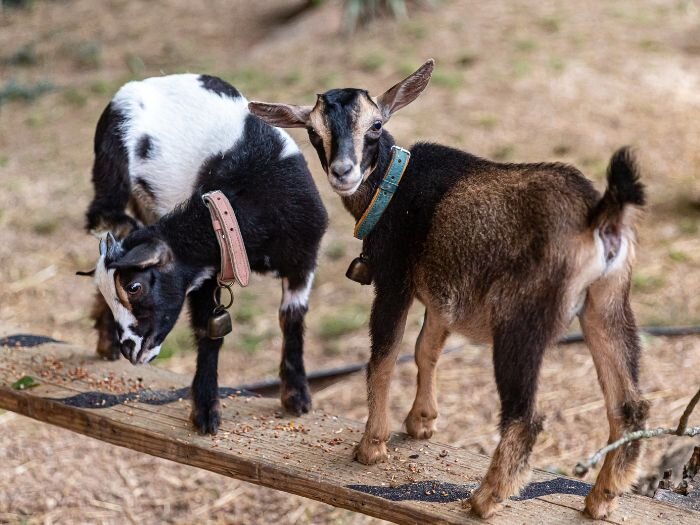
Nigerian Dwarf goats are small, friendly goats known for their colorful coats and big personalities. They’re a miniature dairy breed, but don’t let their size fool you. They’re productive, adaptable, and surprisingly versatile.

A Quick Look at Their Background
The Nigerian Dwarf breed started from West African dairy goats brought to the U.S. in the early 1900s. Originally used as zoo animals and research goats, people quickly noticed how charming and easygoing they were.
Over time, breeders worked to refine their size, milk production, and temperament. Today, Nigerian Dwarf goats are a registered dairy breed recognized for their good looks and great milk.
What Are They Used For?
Nigerian Dwarf goats are popular for a few reasons.
- • Dairy: They produce rich milk with a high butterfat content, which is great for making cheese, yogurt, or just drinking.
- • Pets: Their small size, gentle nature, and playful attitude make them a hit with families.
- • 4-H and show animals: Kids love working with them because they’re easy to handle and train.
They’re also just fun to have around the farm. With their big personalities and social nature, Nigerian Dwarfs often act more like dogs than livestock.
Nigerian Dwarf vs. Pygmy Goats
It’s easy to mix these two up. Both are small, cute, and full of energy. But they’re actually very different:
- • Nigerian Dwarf goats are built like tiny dairy goats. They’re leaner and more refined, with longer legs and a graceful look.
- • Pygmy goats are stockier and heavier-set. They were bred more for meat and hardiness than milk.
Nigerian Dwarf Goat Size and Weight
Males (bucks) tend to be a little taller than females (does), but both stay compact.
- • Adult does: Around 17–21 inches tall (at the shoulder)
- • Adult bucks: Around 19–23 inches tall (at the shoulder)
Regarding weight, these goats are solid for their size. Most adults weigh between 60 and 80 pounds once fully grown.
Compared to Standard Goats
If you’ve seen a full-sized dairy goat like a Nubian or Alpine, you’ll immediately notice the difference.
- • A standard dairy goat can weigh 120 to 180 pounds or more.
- • Nigerian Dwarfs are half the size or less, making them much easier to manage.
Their smaller size means you don’t need a large pasture or barn. You can comfortably keep a few Nigerian Dwarfs in a well-fenced backyard* or small acreage setup.
(*Check your local zoning regulations before keeping livestock or poultry in your backyard.)
Lifespan and Reproduction
Nigerian Dwarf goats are long-lived and efficient breeders for their size.
How Long Do Nigerian Dwarf Goats Live?
On average, Nigerian Dwarf goats live 10 to 15 years. With excellent care, some even make it to 16 or 17.
Like any animal, their lifespan depends on their diet, shelter, health care, and general stress levels. Clean living spaces, regular hoof trims, and vet checkups go a long way in keeping them happy and healthy.
Breeding Age and Frequency
These goats are ready to breed fairly young. Most does can safely be bred around 7 to 8 months old, though many goat owners prefer to wait until they’re at least 1 year old to let them finish growing first.
Bucks start breeding as early as 3 to 4 months. So if you’re not planning on early breeding, it’s best to separate them from the does early on.
Nigerian Dwarf goats are one of the few breeds that can be bred year-round, thanks to their extended fertility cycle. Most breeders choose to breed does once per year, usually aiming for kids in the spring or fall (depending on climate and farm schedule).
Some breeders follow a 3-in-2-year pattern. This means breeding a doe three times over two years, with at least a 6-month break between pregnancies to support her recovery.
While it is physically possible to breed a doe twice a year, it's less common because it can put too much strain on her body. Ultimately, the best schedule depends on the health of the doe and the breeder’s goals, but regular breaks between kidding seasons are highly recommended.
How Long Are Nigerian Dwarf Goats Pregnant?
The gestation period for Nigerian Dwarf goats is about 145 to 155 days, or roughly five months. Most does give birth to 2 to 4 kids at a time, though singles and even sets of 5 aren’t unheard of.
Thanks to their small size and calm nature, Nigerian Dwarf goats are generally good moms and easy kidders.

Feeding Nigerian Dwarf Goats
Most of your goat’s diet should come from high-quality hay and browse or pasture. Think of them as four-legged lawnmowers. They love to nibble on weeds, grasses, and shrubs.
Here’s what a healthy daily diet usually includes:
- • Hay: This should always be available. Alfalfa is great for milking does, while grass hay works well for bucks and pets.
- • Browse/forage: If you have pasture space, let them graze. They’ll eat weeds, leaves, and even brambles.
- • Grain: A small amount can be fed to growing kids, pregnant or lactating does, or goats needing extra energy. But too much grain will cause bloat or other issues, so keep it limited.
- • Minerals: Goats need loose, goat-specific minerals available free-choice (not a salt block made for other livestock).
- • Fresh water: Always have clean water available. In hot weather, they’ll drink even more.
Foods to Avoid
Goats are curious eaters, but some things are off-limits:
- • No moldy hay or feed. It can make them very sick.
- • No pesticide-sprayed clippings.
- • Toxic plants like azaleas, rhododendrons, and some types of nightshade should be kept out of reach.
It’s a good idea to walk your pasture and check what’s growing before letting your goats roam.
A Note on Nigerian Dwarf Goat Care
Proper nutrition is a big part of good goat care. A well-fed goat is less likely to get sick, more likely to thrive, and generally easier to manage. Keep their feeders clean, rotate grazing areas if possible, and check on them daily to make sure everyone’s eating and drinking well.
Housing and Fencing Needs
Nigerian Dwarf goats need sturdy shelter and secure fencing to stay safe and where they belong (which is not in your flower beds).
Shelter
Goats don’t love getting wet or standing in the wind, so a three-sided shelter or small barn is necessary (even if you live in a mild climate).
Your shelter should:
- • Be dry and draft-free.
- • Have good ventilation to avoid moisture buildup.
- • Offer enough space, about 15 to 20 square feet per goat.
Fencing
Goats are clever, curious, and excellent escape artists. Nigerian Dwarfs might be smaller, but they’re just as determined as bigger breeds when testing a fence.
Here’s what works best:
- • At least 4-foot-tall fencing. 5 feet is better if you’ve got any jumpers.
- • Woven wire or no-climb fencing is ideal. Avoid barbed wire since it’s not safe for goats.
- • Use secure gates and latches they can’t nudge open.
- • If you’ve got predators in your area (like coyotes), consider electric fencing as a backup.
Check out our following fencing guides for more help:
- • Why Use Electric Fencing
- • Fencing a Small Farm
- • Choosing the Right Fence
- • Securing Your Farm with Wire Fencing
- • Fencing Tips and Strategies
Bedding and Cleaning
Bedding helps keep your goats clean, dry, and warm. Most owners use straw, pine shavings, or pellets.
Quick tips:
- • Keep bedding thick in winter and dry year-round.
- • Spot clean daily to remove wet spots or droppings.
- • Do a full clean-out every few weeks and replace with fresh bedding.
A clean space means healthier goats and fewer flies or odors, which makes life better for everyone – including you.

Daily Care and Health Considerations
Keeping Nigerian Dwarf goats healthy doesn’t take a full-time job, but it does take regular care and a good eye for changes in behavior or appearance.
Basic Goat Care Routine
Here’s what Nigerian Dwarf goat care looks like day to day:
- 1. Daily check-ins: Make sure everyone’s eating, drinking, and acting normal. Watch for limping, coughing, or changes in behavior.
- 2. Clean water and feed: Fresh hay, clean water, and mineral access daily.
- 3. Spot-clean shelter: Pick out wet bedding or messes to keep things fresh.
Add in these regular tasks:
- • Hoof trimming: Every 4–6 weeks. Overgrown hooves lead to joint problems or infections.
- • Vaccinations: Talk to your vet about a basic schedule. Most goats get a CD&T vaccine to protect against common diseases.
- • Worming: Internal parasites can be a big issue. Instead of worming on a set schedule, work with your vet and do fecal tests to treat only when needed. This helps prevent resistance.
Watch for These Health Issues
Like all goats, Nigerian Dwarfs are prone to a few specific problems:
- • Parasites (worms, lice, mites)
- • Bloat (from overeating grain or wet grass)
- • Foot rot or abscesses
- • Respiratory infections
If you notice weight loss, rough coat, diarrhea, or droopy behavior, it’s time to call the vet or at least do a closer check.
What Does a Healthy Goat Look Like?
A healthy Nigerian Dwarf should:
- 1. Have bright eyes and a clean nose
- 2. Show steady energy (they nap, but should be curious and alert)
- 3. Eat and chew regularly
- 4. Have a smooth, shiny coat
- 5. Walk without limping or stiffness
Most of the time, if something seems “off,” you’re probably right. Goats are good at hiding illness, so catching small problems early is the best way to avoid big ones later.
Nigerian Dwarf Goat Milk Production
One of the biggest reasons people love Nigerian Dwarf goats is the milk. For such small animals, they’re surprisingly productive, and the quality is hard to beat.
How Much Milk Do They Produce?
A healthy Nigerian Dwarf doe can produce 1 to 2 quarts of milk daily at her peak. That’s less than full-size dairy goats like Alpines or Nubians, but it’s often just right for small families or homesteads.
Because of their size, they eat less and need less space, making them a smart choice if you want fresh milk without managing a full-scale operation.
Richness and Flavor
Their milk is especially rich and creamy, with a butterfat content around 6–10% (much higher than most standard dairy breeds).
People often say Nigerian Dwarf milk tastes better than any other goat milk they’ve tried. It’s great for drinking, baking, or turning into soap.
Milking Tips and Routine
To keep milk flowing, you’ll need to milk your does once or twice a day, depending on your schedule and their production.
- • Start milking about 2 weeks after kidding.
- • Stick to a consistent schedule – goats love routine.
- • Keep your milking area clean and calm to help the doe relax.
- • Use a milk stand to make things easier (and save your back).
Goats generally produce milk for 8 to 10 months after giving birth, with the first few months being the most productive. Then, they’ll need a break (a “dry period”) before the next breeding cycle.
Can You Harvest Meat from Nigerian Dwarf Goats?
Yes, you can butcher Nigerian Dwarf goats for meat, but they’re not ideal meat goats. They’re smaller and leaner than breeds raised specifically for meat, like Boers or Kikos.
Depending on age, weight, and body condition, you can expect about 15 to 25 pounds of meat from a mature goat. That’s significantly less than a full-size meat goat, which yields 40–60+ pounds.
Because of the low yield, most people only process these goats if one isn’t suitable for breeding or dairy purposes. It's usually done on a small scale, often just for home use.

Where to Buy Nigerian Dwarf Goats
A healthy, well-socialized goat will be easier to care for and more enjoyable to raise, whether starting a small dairy herd or just wanting a couple of pasture pals.
How to Find a Reputable Breeder
Start by looking for breeders who:
- • Specialize in Nigerian Dwarf goats, not just general livestock
- • Are transparent about their herd’s health, care, and breeding practices
- • Belong to associations like ADGA (American Dairy Goat Association) or AGS (American Goat Society)
You can also check with local farm groups or 4-H clubs. Sometimes, experienced goat owners sell or refer others to solid sources.
Questions to Ask Before Buying
- • How old is the goat?
- • Has it been disbudded (dehorned) or polled (naturally hornless)?
- • What’s the goat’s vaccination and deworming history?
- • Has it been handled often, or is it more feral?
- • Is it registered or registerable with ADGA or AGS?
- • Has it had any health issues, kidding problems, or behavior quirks?
A good breeder will welcome these questions and ask you a few in return to make sure their goats are going to the right home.
Health Checks and Registration
Before buying, ask to:
- • See the goat in person (or via video call if long distance)
- • Observe its behavior and body condition
- • Request vet records, especially for diseases like CAE, CL, and Johne’s
- • Review registration papers if you're buying a registered goat
Registered goats often come with a higher price tag, but they’re worth it if you plan to breed, show, or track milk production.
Are Nigerian Dwarf Goats Right for You?
Nigerian Dwarf goats, like any animal, need the proper setup and daily care to thrive.
Friendly, Curious, and Great with Kids
These goats are known for being gentle, playful, and easy to handle. They’re social animals that enjoy spending time with people and each other.
- • They’re great with kids, making them a favorite for 4-H projects or family farms.
- • They can be leash-trained, taught tricks, and even enjoy a good head scratch or snuggle.
- • Their calm, curious nature makes them ideal for first-time goat owners or anyone who wants animals that interact instead of just graze in the background.
What They Need From You
Even though Nigerian Dwarf goats are low-maintenance compared to larger livestock, they still need:
- • Daily care of feeding, watering, and quick health checks.
- • Secure shelter and fencing.
- • Companionship, goats are herd animals and should never live alone.
- • Time and attention because they're smart and get bored easily without things to do.
They don’t need a huge pasture but enough room to run, climb, and explore.
Perfect for Small Farms and Backyard Homesteads
Because they’re small, manageable, and multipurpose, Nigerian Dwarf goats are an excellent fit for:
- • Urban homesteaders with backyard space and local zoning approval.
- • Small farms looking for home dairy options.
- • Families wanting fun, friendly animals that the kids can help care for.
If you’ve got the space, time, and interest in daily animal care, a pair (or small herd) of Nigerian Dwarf goats might be just the right addition to your homestead.

Small Goats, Big Rewards
Nigerian Dwarf goats are miniature but bring a lot to the farm. Whether you’re in it for dairy, companionship, or just the joy of having goats around, raising Nigerian Dwarfs is a rewarding experience.
Visit your local Wilco Farm Store or browse our online selection of fencing, feed, minerals, and care supplies. We’ve got everything you need to get started on the right hoof!


Store Hours
Monday to Saturday:
8 a.m. to 8 p.m.
Sunday: 9 a.m. to 6 p.m.

For questions or help with online orders call: (888) 78-WILCO
Limited to stock on hand. Some items may vary from photos. Because of store size limitations or geography, some items featured may not be available in all stores but will be made available by special order during sale periods at advertised prices. All sale prices listed as “dollars off” or “% off” are discounted from our regular posted shelf price, not from discounts given with specialty, bulk or pallet pricing. Reseller and Drop-shippers must contact us for pre-approval to place orders with the intent to re-distribute.
© 2025, Wilco Farm Store