


5 Exterior Home Painting Tips for a Flawless Finish
July 16, 2025
Blog
Hardware, Paint & Home
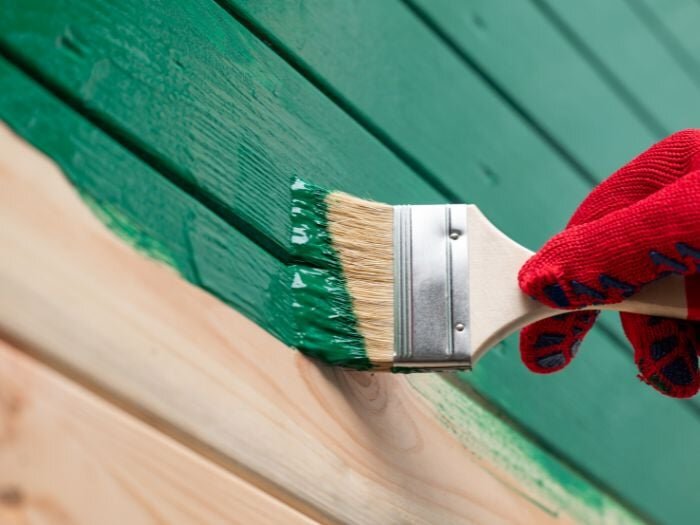
Whether you're looking to protect your siding or freshen things up, painting your home’s exterior is a big job – but one that’s doable with the right know-how.
With a little planning (and a few pro tricks), you can achieve the crisp, clean finish that makes your home look brand new.
 Choosing the right color is one of the most exciting – and important – parts of any exterior paint job.
A fresh coat in the right shade can boost curb appeal almost instantly. It can make your home feel bigger, cozier, or more modern, depending on what you choose.
But it’s not just about what looks good. It’s about creating a welcoming home that fits your style and stands out for the right reasons.
Not sure where to start? Take a look at some home exterior color ideas to spark inspiration:
Choosing the right color is one of the most exciting – and important – parts of any exterior paint job.
A fresh coat in the right shade can boost curb appeal almost instantly. It can make your home feel bigger, cozier, or more modern, depending on what you choose.
But it’s not just about what looks good. It’s about creating a welcoming home that fits your style and stands out for the right reasons.
Not sure where to start? Take a look at some home exterior color ideas to spark inspiration:
 Having the proper home painting tools will save you time, make the job easier, and help your finish look smooth and professional.
Here’s a list of must-haves for painting your home’s exterior:
Having the proper home painting tools will save you time, make the job easier, and help your finish look smooth and professional.
Here’s a list of must-haves for painting your home’s exterior:
 Once your house is prepped and the weather cooperates, it’s time to paint! This is where all that hard work starts to pay off, but you’ll still want to remember a few painting tips to make the job go smoother and look better.
 Painting your home’s exterior doesn’t have to be overwhelming. Start by picking a color that fits your home and surroundings. Gather the essentials and spend time prepping your surfaces for the best results. Apply your paint carefully, then wrap things up with a solid cleanup so everything’s ready for next time.
Need supplies? Stop by your local Wilco Farm Store or shop online for everything from paint and paint sprayers to extension poles, drop cloths, and more. Whether touching up a porch or tackling the whole house, Wilco’s got what you need to get the job done right!
Painting your home’s exterior doesn’t have to be overwhelming. Start by picking a color that fits your home and surroundings. Gather the essentials and spend time prepping your surfaces for the best results. Apply your paint carefully, then wrap things up with a solid cleanup so everything’s ready for next time.
Need supplies? Stop by your local Wilco Farm Store or shop online for everything from paint and paint sprayers to extension poles, drop cloths, and more. Whether touching up a porch or tackling the whole house, Wilco’s got what you need to get the job done right!
1. Picking the Perfect Exterior Color
Choosing the right color is one of the most exciting – and important – parts of any exterior paint job.
A fresh coat in the right shade can boost curb appeal almost instantly. It can make your home feel bigger, cozier, or more modern, depending on what you choose.
But it’s not just about what looks good. It’s about creating a welcoming home that fits your style and stands out for the right reasons.
Not sure where to start? Take a look at some home exterior color ideas to spark inspiration:
- Neutrals like warm grays, taupes, or soft greens are always in style. They blend well with natural landscapes and look great in any season.
- Bold colors such as navy, forest green, or even charcoal black add personality. These are great if you want your home to stand out, but still feel classic.
- White with dark trim is a modern farmhouse favorite, especially popular in rural and suburban areas.
- Soft blues and dusty reds offer charm and nostalgia, perfect for older homes or farmhouses.
- Got bright flowerbeds? Maybe go with a neutral backdrop to let them shine.
- Lots of trees? Earthy tones or deep greens can help the house feel tucked into the landscape.
How often should I repaint my home’s exterior?
Most homes need a fresh coat every 5 to 10 years, but it depends on a few things, like the type of siding, the paint quality, and your local climate. Look for signs like fading, chalkiness, or peeling. Regular touch-ups and proper prep will also help stretch the time between full repaints.2. Must-Have Tools for Home Exterior Painting
Having the proper home painting tools will save you time, make the job easier, and help your finish look smooth and professional.
Here’s a list of must-haves for painting your home’s exterior:
- Paint brushes – Use angled brushes for cutting in around trim, doors, and windows. A good-quality brush holds more paint and gives cleaner lines.
- Rollers and extension poles – Rollers help cover large, flat areas faster. Add an extension pole to save your back and skip the ladder for mid-height spots.
- Ladders – Whether trimming eaves or painting second-story walls, a stable ladder is non-negotiable.
- Drop cloths or tarps – Don’t forget to protect your deck, plants, and driveway. Reusable canvas drop cloths work great and stay in place better than plastic sheets.
- Paint scrapers and wire brushes – These help you remove peeling or flaking paint before you start. A clean surface makes the new coat last longer.
- Painter’s tape – Use it for clean edges and to protect fixtures, trim, and windows.
- Buckets and paint grids – Skip dipping your roller into the can. A paint bucket with a grid helps load the roller evenly and reduces spills.
- Safety gear – Protect yourself, too. Grab goggles, gloves, and a dust mask if sanding or scraping old paint. It’s especially important if your home was built before 1978 and may have lead-based paint.
3. Prepping Your Home’s Exterior
It might not be the most exciting part of the project, but good prep is one of the best exterior home painting tips. It helps the paint stick better, last longer, and look smoother when you’re done. Here’s what to focus on:- Clean the surfaces – Start by giving your house a good wash. A garden hose might do the trick for light dirt, but a pressure washer makes it much easier to blast away grime, cobwebs, and mildew from siding and trim. Let everything dry fully before moving on.
- Scrape off old paint – Use a paint scraper or wire brush to remove loose, peeling paint. Don’t skip this step! Painting over flaky areas just leads to more peeling later.
- Sand rough spots – You’ll probably have some uneven spots after scraping. A little sandpaper smooths things out and helps primer and paint stick better.
- Prime bare wood or problem areas – If you’ve exposed raw wood or patched areas, a good exterior primer seals the surface and keeps your topcoat looking even.
- Caulk gaps and cracks – Seal any cracks around windows, doors, and trim with exterior-grade caulk. It keeps moisture out and gives you a cleaner paint line.
- Protect landscaping and surfaces – Lay down drop cloths or tarps to cover flower beds, walkways, and outdoor furniture. A few minutes here saves hours of cleanup later. You can also use painter’s tape to protect light fixtures, outlets, and windows.
Should I use primer before painting?
Yes, at least in certain spots. You don’t always need to prime the entire exterior, but you should use primer on any bare wood, patched areas, or spots where you’ve scraped off peeling paint. Primer helps the new paint stick better and gives you a smoother, more even finish. If you’re making a big color change (like dark to light), priming will also help hide the old color underneath.What are the best weather conditions for exterior painting?
Aim for a dry, mild day with temps between 50°F and 85°F. Too hot, and the paint dries too fast, leading to lap marks. Too cold, and it will not cure properly. Avoid painting when rain is forecasted or when humidity is very high. Early mornings or late afternoons are usually best, especially if you’re working in direct sun.4. Painting Techniques and Application Tips
Once your house is prepped and the weather cooperates, it’s time to paint! This is where all that hard work starts to pay off, but you’ll still want to remember a few painting tips to make the job go smoother and look better.
Start at the top.
Always work from the top down. That way, if paint drips, you can catch and smooth it as you go. Start with eaves, soffits, and upper walls, then work down to trim and details.Keep a wet edge.
This might be the most important tip for avoiding lap marks. A “wet edge” means overlapping your last brush or roller stroke while it’s still wet. Don’t stop in the middle of a wall. Try to paint full sections at a time, especially on sunny or breezy days when paint dries fast.Use the right tools for the job.
Brushes are best for edges, trim, and any spot that needs detail. Rollers are perfect for large flat areas. Sprayers give the smoothest finish and work fast on big jobs, especially if you’re painting textured surfaces or lots of square footage.Apply thin, even coats.
Going all-in with paint is tempting to get it done faster, but thin coats stick better and dry more evenly. Two light coats will give you cleaner coverage than one heavy one, and you’ll avoid drips, sagging, or patchy spots.Bonus tips!
- Paint in the shade whenever possible. Direct sun dries paint too quickly and makes it harder to maintain that wet edge.
- Stir your paint often to keep the color consistent, especially if you’re working from multiple gallons.
- Keep a damp rag or sponge nearby to wipe up any stray drips before they dry.
5. Cleaning Up Like a Pro
You’ve rolled, brushed, sprayed, and stepped back to admire your freshly painted home – nice work! But before you call it done, you need to take the final step: cleanup.Clean your brushes and rollers.
Even if you plan to reuse them tomorrow, rinse out your tools as soon as you stop painting. Use warm, soapy water for latex paint or mineral spirits for oil-based formulas. Don’t forget to spin or shake out excess water before storing.Store leftover paint correctly.
If your gallon can is less than half full, pour leftovers into smaller, airtight containers. Less air means a longer shelf life. Label the container with the room or project name and date. Store it in a cool, dry place away from kids and pets, like a garage cabinet or storage bin.Dispose of paint cans safely.
If the can is empty and dry, it can usually go in the regular trash. But leftover paint? That needs to go to a household hazardous waste drop-off. Check your local rules first. Many areas have special collection days or drop sites.Watch out for drips.
Act fast if you have splatters on the driveway, porch, or patio. Most latex paint can be scrubbed off with warm water and some elbow grease. Try a paint remover or cleaner made for outdoor surfaces for tougher spots.Give your landscaping a once-over.
Even with drop cloths, a few rogue drops might’ve made it onto leaves or mulch. Rinse plants with a hose and check for any smudges on walkways, rocks, or planters before they dry out in the sun.From Start to Finish – You’ve Got This
Painting your home’s exterior doesn’t have to be overwhelming. Start by picking a color that fits your home and surroundings. Gather the essentials and spend time prepping your surfaces for the best results. Apply your paint carefully, then wrap things up with a solid cleanup so everything’s ready for next time.
Need supplies? Stop by your local Wilco Farm Store or shop online for everything from paint and paint sprayers to extension poles, drop cloths, and more. Whether touching up a porch or tackling the whole house, Wilco’s got what you need to get the job done right!
Orders
Services
About
Your Wilco Store

Store Hours
Monday to Saturday:
8 a.m. to 8 p.m.
Sunday: 9 a.m. to 6 p.m.

Need Help?
For questions or help with online orders call: (888) 78-WILCO
Limited to stock on hand. Some items may vary from photos. Because of store size limitations or geography, some items featured may not be available in all stores but will be made available by special order during sale periods at advertised prices. All sale prices listed as “dollars off” or “% off” are discounted from our regular posted shelf price, not from discounts given with specialty, bulk or pallet pricing. Reseller and Drop-shippers must contact us for pre-approval to place orders with the intent to re-distribute.
© 2025, Wilco Farm Store