


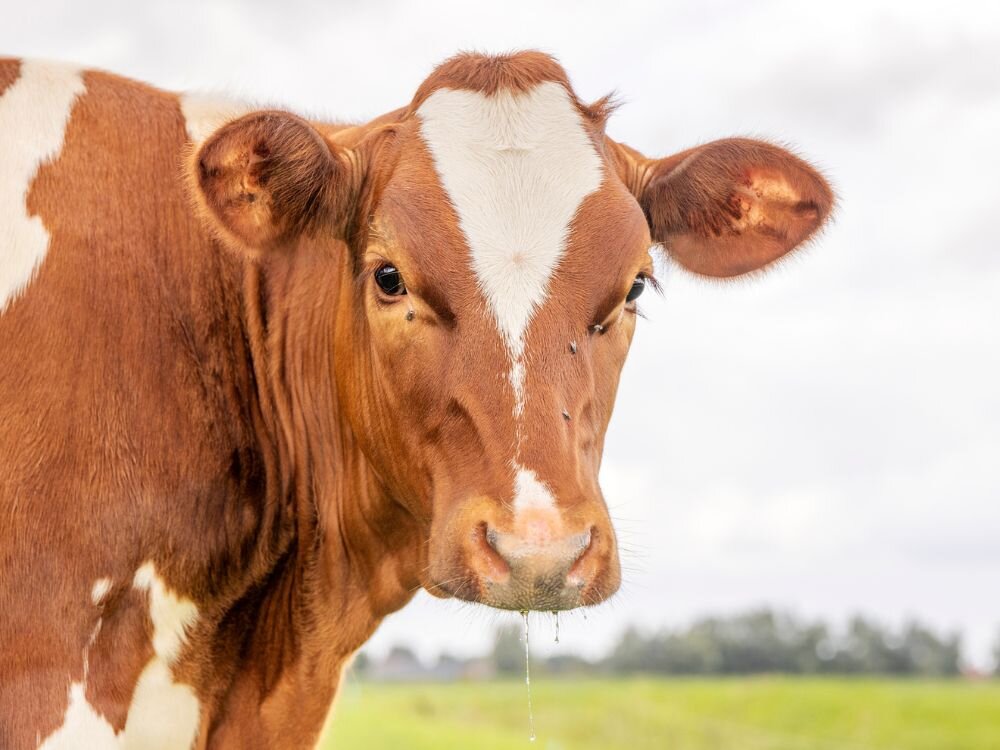
Flies do not build slowly. One fly can lay hundreds of eggs, and in warm weather, those eggs turn into new flies in just a few days. That means a small, unnoticed population in spring can turn into a full-blown problem by early summer.
This is why timing matters when prepping for fly season. If you start early, you are not just dealing with flies, but you’re also interrupting their breeding cycle. So late spring is your window to get ahead and keep things manageable.
The 5-Part Fly Control System

This approach gives you a repeatable way to stay ahead of fly season. You can use it in late spring to get started, then keep adjusting it as the season changes.
Step 1: Break the Fly Breeding Cycle Early
If you only do one thing for fly season preparation, start here, because this step cuts off the next generation before it has a chance to hatch.
Manure Management and Moisture Control
Flies need two things to reproduce: waste and moisture. Manure, wet bedding, and damp pen corners create the ideal environment for egg development. Focus on:
- Removing manure regularly. Daily removal is best, especially in stalls and small paddocks.
- Keeping areas dry. Fix leaky waterers, improve drainage, and replace wet bedding quickly.
Even small wet spots can turn into breeding zones. Staying on top of this early makes everything else easier.
Composting and Waste Placement
If piles sit close to barns or turnout areas, flies do not have far to travel once they hatch. A better approach is to:
- Move manure piles away from high-traffic areas.
- Keep piles contained and managed so they do not stay wet and active.
- Turn or compost piles properly to reduce fly development.
This helps push fly activity farther away from your animals and daily routines.
Feed-Through Fly Control Options
You can also reduce flies from the inside out. Feed-through fly control products like Farnam’s SimpliFly additive work by passing through the animal’s digestive system to prevent fly larvae from growing in manure. It is a simple way to target flies at one of their main sources.
Step 2: Reduce What Attracts Flies to Your Property
Even a clean space can still attract flies if the environment works in their favor. Flies are drawn to moisture, odor, and standing waste.
Clean Feeding Areas and Water Sources
Spilled grain, leftover hay, and standing water all give them a reason to stick around and reproduce. Stay ahead by:
- Cleaning up spilled feed around troughs and feeding areas.
- Dumping and refreshing water buckets and troughs regularly.
- Scrubbing slime and buildup from water containers.
These spots are some of the most common breeding and gathering areas. Keeping them clean removes a major draw.
Improve Airflow and Drainage
Flies prefer still, damp environments. Change that, and you make your space less appealing. A few simple upgrades can help:
- Add fans or improve airflow in barns and enclosed areas (flies struggle in moving air).
- Fix low spots where water collects after rain or cleaning.
- Adjust drainage around waterers, gates, and high-traffic areas.
Better airflow helps keep flies off animals, and better drainage keeps breeding areas from forming in the first place.
Step 3: Use Fly Control Tools Before Populations Spike

By late spring, this is where your prep starts to pay off. You are not waiting for flies to take over, but adding another layer of protection so populations never get that far.
Fly Sprays and Topical Treatments
Daily or routine protection helps keep flies from bothering your animals. This is where products like fly spray are useful. They create a barrier that reduces biting, irritation, and constant movement.
You might use:
- Fly sprays for daily turnout or riding
- Spot treatments for sensitive areas like the face and legs
The goal here is consistency. A quick application each day makes a noticeable difference in comfort.
Pour-On and Long-Lasting Insecticides
For longer coverage, pour-on treatments help extend protection without daily reapplication.
Products like Merck Ultra Boss Pour-On Insecticide are designed to provide ongoing control by spreading across the animal’s skin and hair over time. These are useful when fly pressure starts to increase, and daily spraying is not always practical.
Shop Pour-On Topical Insecticides↗
Fly Traps and Physical Barriers
Traps help reduce the number of flies in the environment, not just on your animals. Using fly traps pulls flies away from barns, gates, and turnout areas, especially when placed correctly.
For best results:
- Set traps away from animals so flies are drawn away rather than toward them.
- Place them near known problem areas, such as manure piles or fence lines.
- Check and maintain them regularly.
You can also use physical barriers (like fly masks, sheets, or stall screens) to add another layer of protection.
Shop Fly Traps↗ | Shop Fly Masks↗
Step 4: Add Natural and Preventive Fly Repellents
Natural fly repellents use plant-based ingredients to help deter flies without heavier chemicals. Natural options can be a helpful part of your fly control system, but they’re not meant to replace everything else. They are another layer that supports what you are already doing.
You will often see:
- Essential oils like citronella, eucalyptus, peppermint, or tea tree
- Herbal blends designed for lighter, everyday use
- Sprays or wipes that can be applied more frequently
They work best when used consistently, since they usually wear off faster than stronger products.
These are a good fit for:
- Horses with sensitive skin
- Quick touch-ups before turnout or riding
- Owners who prefer a more natural approach when possible
Natural options work when fly pressure is still low to moderate. But once fly populations spike, natural products alone often are not enough. At that point, you may need to combine them with stronger solutions (like sprays or pour-ons) to keep animals comfortable.
Step 5: Monitor Fly Activity and Adjust Your Approach

Even the best plan needs a quick check-in now and then.
Watch for Early Warning Signs
Keep an eye out for:
- Increased fly activity around manure piles or water sources
- Flies gathering in specific areas like gates, feeders, or shaded spots
- Changes in animal behavior, like tail swishing, stomping, or head tossing
These are early signals that flies are starting to build. Catching them now gives you time to adjust before it escalates.
Adjust Based on Weather and Conditions
Flies thrive in certain conditions and struggle in others. As a general rule:
- Warm + wet conditions = higher fly pressure
- Dry, breezy conditions tend to slow them down
After rain, irrigation, or a stretch of humid weather, it is a good idea to step up your efforts by:
- Cleaning problem areas more often
- Adding or repositioning traps
- Increasing how often you apply sprays or treatments
You can also rotate products if something starts to lose effectiveness. This helps maintain control and prevents flies from adapting to one method.
For more fly season help, read Cattle Fly Prevention and Strategies for Fly Deterrents Around Your Horse.
Building a Simple Fly Control Routine That Works All Season

A good system only works if you keep up with it because a consistent routine keeps fly pressure low.
Weekly Tasks
Focus on:
- Manure removal
- Checking fly traps
Daily or As-Needed Tasks
Stay consistent with:
- Applying fly spray
- Checking and cleaning water and feed areas
Monthly Adjustments
Once a month, take a step back and reassess:
- Are your current products still working well?
- Do traps need to be moved based on new problem areas?
- Has weather changed moisture levels or fly activity?
This is a good time to rotate products or add another layer of protection if needed.
Stay Ahead Now, Stay Comfortable All Season
Fly control gets harder the longer you wait. But when you start in late spring, you give yourself an advantage that carries through the whole season.
Shop fly control supplies online or visit your local Wilco Farm Store to help you put your plan into action.


Store Hours
Monday - Saturday 7am - 8pm, Sunday 9am - 6pm

For questions or help with online orders call: (888) 78-WILCO
Limited to stock on hand. Some items may vary from photos. Because of store size limitations or geography, some items featured may not be available in all stores but will be made available by special order during sale periods at advertised prices. All sale prices listed as “dollars off” or “% off” are discounted from our regular posted shelf price, not from discounts given with specialty, bulk or pallet pricing. Reseller and Drop-shippers must contact us for pre-approval to place orders with the intent to re-distribute.
© 2026, Wilco Farm Store