

Backyard bird feeding is one of those simple pleasures that never gets old. A quiet morning, a cup of coffee, and a few feathered visitors can make any day better. So to keep your backyard birds happy and healthy, a little care goes a long way toward preventing bird feeder diseases.
(Please note: This article includes images of bird diseases that may be distressing for some to view. These visuals are provided to help you identify symptoms so you can take action and support healthier birds.)
How Do Bird Feeders Spread Disease?

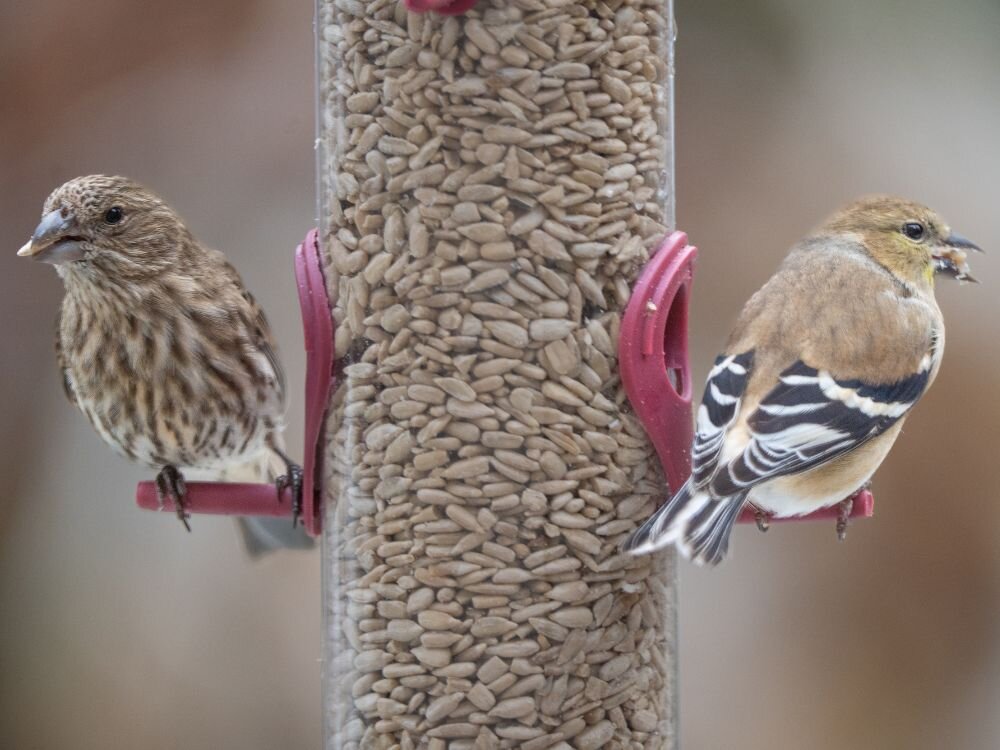
Backyard feeders bring birds together in one small space. That’s part of the fun for us, but close contact also makes it easier for illness to move from one bird to another. Bird diseases spread when birds gather closely together and come into contact with contaminated surfaces, droppings, or spoiled seed.
Here’s how it usually happens.
- Shared perches – When several birds land on the same feeder, they use the same perches, ports, and trays. If one bird is sick, it can leave germs behind on those surfaces.
- Droppings contaminating feed – Bird droppings can land in seed trays or on lower perches. If fresh seed is poured over contaminated areas, it will mix in.
- Moldy or wet seed – Moisture is one of the biggest troublemakers. Rain, snow, or even heavy morning dew can dampen the seed. Once it’s wet, mold grows quickly.
- Standing water in trays – Platform feeders and tray-style bird feeder types can collect water after a storm. If that water sits, it becomes a breeding ground for bacteria.
- Contaminated birdbaths – Droppings can also end up in birdbaths where birds drink. Without regular cleaning, that shared water source can spread illness between birds.
A few small changes in how you clean your bird feeders and manage seed can help prevent bird diseases before they start.
Common Bird Feeder Diseases to Watch For
Knowing what to look for helps you act responsibly.
Salmonellosis

Salmonellosis is one of the more common illnesses linked to feeding stations, especially during colder months when birds gather closely. Signs to watch for are:
- Fluffed feathers, even in mild weather
- Lethargy or slow movement
- Birds sitting on the ground for long periods
- Poop on undertail coverts or tail feathers
- Partially closed eyes or unable to keep eyes open
Sick birds may look puffed up and tired. They often allow people to get closer than usual.
House Finch Eye Disease (Mycoplasmal Conjunctivitis)

This disease is most often seen in House Finches, but other songbirds can be affected. Signs to watch for are:
- Swollen or crusty eyes
- Redness around the eyelids
- Squinting or partially closed eyes
- Difficulty flying or landing
Birds with eye infections may struggle to find food or avoid predators. Because feeders bring birds face to face, shared surfaces quickly spread bacteria.
Avian Pox

Avian pox is a viral disease that spreads through direct contact with infected birds or contaminated surfaces. Mosquitoes can also carry it. There are two forms of avian pox, and they appear a little differently.
Dry Avian Pox
Dry avian pox affects the skin and is the most common form seen in backyard birds. Signs to watch for are:
- Wart-like growths on the face
- Lesions on the beak or legs
- Thickened or scabbed skin
The growths make it hard for birds to eat or see clearly.

Wet Avian Pox
Wet avian pox affects the mouth and throat and is less common but more serious. Signs to watch for are:
- Lesions inside the mouth or throat
- Difficulty breathing
- Trouble swallowing food
Birds with this form may struggle to eat or breathe normally.
Trichomoniasis

Trichomoniasis is a parasitic disease that often affects doves and finches. It spreads when birds share contaminated food or water. Signs to watch for are:
- Difficulty swallowing
- Drooling or wet feathers around the beak
- Birds repeatedly visit feeders but do not eat
Infected birds may appear hungry but struggle to swallow food.
Bird Mites
Bird mites are tiny parasites that live on birds and around nesting or feeding areas. While they don’t usually spread disease at feeders, heavy infestations can weaken birds. Signs to watch for:
- Excessive scratching or grooming
- Patchy or irritated feathers
- Mites visible around nests or feeders
Birds with mites may appear restless or spend more time preening than usual.
Aspergillosis

Aspergillosis is a fungal infection that birds can develop after breathing in mold spores. It is often linked to damp conditions or moldy seed. Signs to watch for are:
- Labored breathing
- Weakness or reduced activity
- Sudden decline in health
Birds with respiratory infections may appear tired and struggle to breathe normally.
Avian Influenza (Avian Flu)
Avian influenza is a viral disease that can affect many species of birds. While it spreads more often among waterfowl, backyard birds can sometimes be exposed. Signs to watch for are:
- Lack of coordination
- Swelling around the head or eyes
- Sudden death in otherwise healthy birds
- Lying on the ground or slumped over
Do not approach, handle, or try to feed birds suspected of having avian flu. Keep pets and backyard poultry away from any affected birds.
If you find a dead bird or notice multiple deaths in your area, contact your local wildlife agency for guidance. In most cases, agencies respond only to reports of dead birds and not to those of sick or dying birds.
How to Prevent Bird Feeder Diseases

If you want to prevent bird feeder diseases, the good news is this: Small, steady habits make a big difference. Clean equipment, smart placement, and dry seed go a long way toward keeping your backyard flock healthy.
Clean Bird Feeders Regularly
The simplest way to prevent problems is to clean bird feeders on a regular schedule. Good bird feeder maintenance and hygiene reduce the germs that build up from droppings, damp seed, and heavy traffic.
Before cleaning, it’s a good idea to wear gloves and wash your hands afterward. This protects you from bacteria that may be present on feeders or old seed.
A simple routine works well:
- Empty old seed – Toss any clumped, wet, or dirty seed.
- Scrub with a diluted bleach solution (1 part bleach to 9 parts water) – Use a brush to clean perches, ports, and trays. This helps kill bacteria that you can’t see.
- Rinse thoroughly – Leftover solution can harm birds.
- Allow to fully dry before refilling – Moisture leads to mold, so drying matters.
During busy seasons, cleaning once a week is a good rule of thumb. If you’ve had rain or heavy bird traffic, consider cleaning more often.
For a deeper look at step-by-step cleaning, read How to Clean a Bird Feeder for Healthy Backyard Birds.
Choose the Right Types of Bird Feeders
Not all types of bird feeders manage seed and droppings the same way. Here’s how common bird feeder types compare:
- Tube feeders – These keep most of the seed enclosed, helping reduce droppings from falling into the food, but moisture can collect in feeding tubes.
- Hopper feeders – They hold more seed but need frequent cleaning since moisture can collect inside.
- Platform feeders – Easy for many birds to use, but they require extra attention because seed and droppings mix more easily.
When shopping for feeders, look for durable, easy-to-clean designs. Features like sloping bottoms and drain holes are also helpful. Additionally, smooth surfaces, removable trays, and accessible ports make routine care much easier.
Check out our Comprehensive Wild Bird Feeder Guide for more help.
Rotate and Space Out Feeders
Crowding increases the chance of illness spreading, so smart bird feeder placement helps reduce close contact.
- Place feeders several feet apart rather than clustering them.
- Avoid hanging feeders directly next to enclosed areas, like tight corners or fences.
- Rotate locations occasionally to prevent waste buildup underneath.
Spreading feeders out gives birds room to move. Less shoulder-to-shoulder feeding means fewer shared surfaces and less stress overall.
Practice Smart Birdseed Storage
Prevention starts before the seed even reaches the feeder. Good birdseed storage prevents mold and pest problems.
- Keep seed dry at all times.
- Store it in airtight containers with tight-fitting lids.
- Discard moldy seed immediately.
- If it smells musty or looks clumped, don’t use it.
Remove Feeders If You See Sick Birds
If you notice sick birds, remove feeders for at least 1–2 weeks to reduce disease spread. This pause helps break the transmission cycle. Without a shared feeding station, birds naturally spread out and have less direct contact with one another. And hopefully the infected birds will move on.
Disinfect the feeders, rinse them well, and let them dry completely. After the break, refill them with fresh seed before putting them back out.
Seasonal Bird Feeding Tips

Feeding birds in the Northwest comes with one extra factor: rain. Damp weather changes how quickly seed spoils and how often feeders need attention. A few seasonal tips will help you stay ahead of any problems.
Provide Fresh Water and Clean Birdbaths
Birds need clean water year-round. Clean water supports overall health and reduces the chance of illness spreading through shared sources.
Dump and scrub birdbaths regularly to prevent the buildup of algae and bacteria. After heavy rain, rinse out debris like leaves and droppings.
Increase Cleaning During Wet Weather
During rainy stretches, weekly cleaning may not be enough if the seed gets wet or clumps together. If a feeder feels damp, empty it, dry it, and start fresh.
Extra bird feeder maintenance during soggy weeks helps prevent bacteria and mold from building up.
Watch for Mold in Rainy Seasons
Mold grows fast in cool, wet conditions. You might notice:
- Seed clumping together
- A musty smell
- Discolored or fuzzy spots
- Seeds sprouting
If you see any of these signs, discard the seed right away. Moldy feed will make birds sick quickly.
Adjust Feeding Amounts to Avoid Waste Buildup
Overfilling feeders might seem generous, but extra seed can sit too long (especially in wet weather). Instead, offer smaller amounts more often. This reduces spoilage and keeps old seed from collecting in trays.
You can also reduce waste by choosing no-waste bird seed blends. These mixes are designed with fewer hulls and fillers, so birds eat more of what you put out. That means less debris under feeders and fewer chances for droppings and moisture to mix with leftover seed.
Less waste under feeders also means fewer droppings mixing with the seed. That simple adjustment supports cleaner feeding areas and helps prevent bird feeder diseases before they start.
To learn more about feeding, read our other guides:
- Feeding Birds in the Spring
- Feeding Birds in the Fall
- Preparing for Winter Bird Feeding
- DIY Fall Bird Feeding Projects
When to Pause Feeding Birds
Feeding birds is a joy. But sometimes the most responsible choice is to take a short break.
- During disease outbreaks or official advisories – If there’s a regional outbreak of salmonellosis or another illness, wildlife agencies may recommend temporarily stopping bird feeding. They may also issue short-term advisories during unusual die-offs or other disease events. Keep an eye on updates from your state’s fish and wildlife agency. Their guidance reflects local conditions and current risks.
- If you cannot maintain a cleaning schedule – It’s better to pause feeding than let hygiene slip. You can always put them back up when you’re ready to maintain proper bird feeder hygiene again.
Support the Birds You Love to Watch

When you combine bird feeding tips with the right equipment and fresh supplies, preventing bird feeder diseases becomes part of your routine.
If you’re ready to refresh your setup, explore Wilco Farm Store’s selection of wild bird feeders, bird seed, and other supplies.
Healthy backyard birds start with a healthy feeding station!


Store Hours
Monday - Saturday 7am - 8pm, Sunday 9am - 6pm

For questions or help with online orders call: (888) 78-WILCO
Limited to stock on hand. Some items may vary from photos. Because of store size limitations or geography, some items featured may not be available in all stores but will be made available by special order during sale periods at advertised prices. All sale prices listed as “dollars off” or “% off” are discounted from our regular posted shelf price, not from discounts given with specialty, bulk or pallet pricing. Reseller and Drop-shippers must contact us for pre-approval to place orders with the intent to re-distribute.
© 2026, Wilco Farm Store