Shopping at Pasco - Monday - Saturday 7am - 8pm, Sunday 9am - 6pm
PascoMonday - Saturday 7am - 8pm, Sunday 9am - 6pm



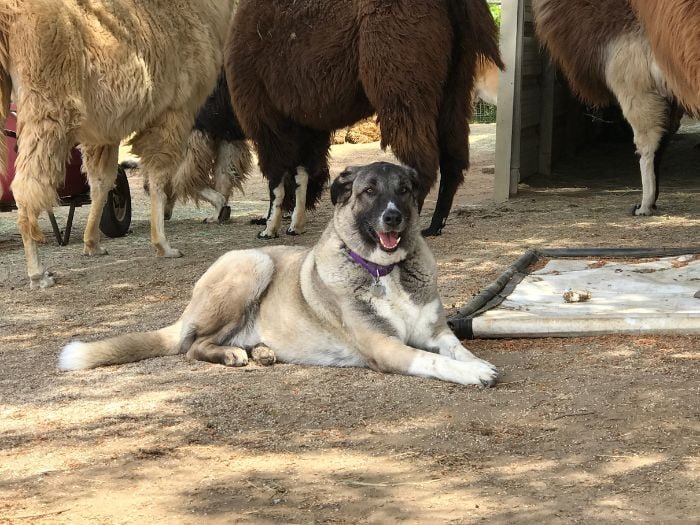
If you raise animals, you know predators are a real threat. Even if they don’t take an animal, chasing the herd causes stress, injury, or early labor in pregnant livestock. That’s where livestock guardians come in.
These animals aren’t just good company for your herd. They’re working partners who watch over your animals day and night. Whether it’s a dog, donkey, llama, or even a flock of geese, each type brings its own way of deterring predators and keeping your animals calm.
 Among the most trusted livestock guardians are dogs, and for good reason. These working dog breeds have been protecting herds for generations.
They don’t herd animals like sheepdogs do. Instead, they live with the flock, bond with the animals, and act as a full-time security team.
Many of these breeds have loose skin around their neck and shoulders. It might look a little floppy, but it serves a purpose. If they’re attacked by a predator, that loose skin helps reduce damage by giving the dog room to twist and fight back without getting seriously hurt.
Some of the most popular livestock protection dogs include:
Among the most trusted livestock guardians are dogs, and for good reason. These working dog breeds have been protecting herds for generations.
They don’t herd animals like sheepdogs do. Instead, they live with the flock, bond with the animals, and act as a full-time security team.
Many of these breeds have loose skin around their neck and shoulders. It might look a little floppy, but it serves a purpose. If they’re attacked by a predator, that loose skin helps reduce damage by giving the dog room to twist and fight back without getting seriously hurt.
Some of the most popular livestock protection dogs include:
 You might not think of a donkey as a fierce protector, but donkeys are surprisingly tough. In fact, donkeys as livestock guardians are becoming more common on small farms and homesteads, especially for protecting goats and sheep.
Why do they work so well?
Donkeys have a strong territorial instinct. They don’t like unfamiliar animals in their space, and they’re not shy about it. If a coyote or stray dog comes sniffing around, a donkey will square up, bray loudly, and, if needed, charge or kick. That kind of response is usually enough to send most small, non-pack predators running.
Donkeys are most effective when they bond with the herd. To help that happen, introduce them slowly. Start by placing the donkey in a pen next to your animals so they can see and smell each other. Once they seem comfortable, you can allow them to share space.
It’s usually best to have just one guardian donkey per pasture. Multiple donkeys may bond with each other instead of the herd.
That said, not every donkey is cut out to be a guardian. Some simply don’t have the temperament for it. Miniature donkeys, for example, shouldn’t be used as guardians. They’re too small to deter predators and are more likely to be injured. When choosing a guardian, look for a standard-sized donkey with a calm but confident personality.
Caring for a livestock guardian donkey is pretty simple. Here’s a basic breakdown of what you’ll need:
You might not think of a donkey as a fierce protector, but donkeys are surprisingly tough. In fact, donkeys as livestock guardians are becoming more common on small farms and homesteads, especially for protecting goats and sheep.
Why do they work so well?
Donkeys have a strong territorial instinct. They don’t like unfamiliar animals in their space, and they’re not shy about it. If a coyote or stray dog comes sniffing around, a donkey will square up, bray loudly, and, if needed, charge or kick. That kind of response is usually enough to send most small, non-pack predators running.
Donkeys are most effective when they bond with the herd. To help that happen, introduce them slowly. Start by placing the donkey in a pen next to your animals so they can see and smell each other. Once they seem comfortable, you can allow them to share space.
It’s usually best to have just one guardian donkey per pasture. Multiple donkeys may bond with each other instead of the herd.
That said, not every donkey is cut out to be a guardian. Some simply don’t have the temperament for it. Miniature donkeys, for example, shouldn’t be used as guardians. They’re too small to deter predators and are more likely to be injured. When choosing a guardian, look for a standard-sized donkey with a calm but confident personality.
Caring for a livestock guardian donkey is pretty simple. Here’s a basic breakdown of what you’ll need:
 Llamas might look gentle, but they make surprisingly effective livestock guardians, especially for smaller animals like sheep and goats. Their tall frame and confident posture can help deter intruders like coyotes or stray dogs.
Llamas are naturally alert and curious. They’re quick to notice anything out of place, whether it’s a coyote in the brush or a new visitor on your property. If something feels off, they’ll sound the alarm with a sharp, repetitive call that alerts the whole pasture and you.
One of the reasons llamas work as guardians is their strong dislike of canines. They’re naturally aggressive toward unfamiliar dogs and similar predators. That said, they’re not a match for larger or more aggressive predators like bears, wolves, or mountain lions. For those situations, a livestock guardian dog or other more assertive guardian may be a better fit.
To get the best results:
Llamas might look gentle, but they make surprisingly effective livestock guardians, especially for smaller animals like sheep and goats. Their tall frame and confident posture can help deter intruders like coyotes or stray dogs.
Llamas are naturally alert and curious. They’re quick to notice anything out of place, whether it’s a coyote in the brush or a new visitor on your property. If something feels off, they’ll sound the alarm with a sharp, repetitive call that alerts the whole pasture and you.
One of the reasons llamas work as guardians is their strong dislike of canines. They’re naturally aggressive toward unfamiliar dogs and similar predators. That said, they’re not a match for larger or more aggressive predators like bears, wolves, or mountain lions. For those situations, a livestock guardian dog or other more assertive guardian may be a better fit.
To get the best results:
 If you're looking for a feathered alarm system, geese might be the livestock guardians you didn’t know you needed. While they won’t take down a coyote, they do one thing exceptionally well – make noise. Loud, persistent, can’t-ignore-it noise.
Geese are naturally territorial. If something unfamiliar enters their space (whether a stranger, a dog, or even a vehicle), they’ll honk, hiss, and flap until the whole yard knows something’s up. That makes them great for alerting both you and your livestock to potential trouble.
But let’s be clear: geese aren’t bodyguards. Think of them more like early-warning systems. They’re best used alongside other livestock guardians like dogs or donkeys, not as your only line of defense. They’re bold, but they’re not going to fend off a predator on their own.
To keep your geese healthy and helpful:
If you're looking for a feathered alarm system, geese might be the livestock guardians you didn’t know you needed. While they won’t take down a coyote, they do one thing exceptionally well – make noise. Loud, persistent, can’t-ignore-it noise.
Geese are naturally territorial. If something unfamiliar enters their space (whether a stranger, a dog, or even a vehicle), they’ll honk, hiss, and flap until the whole yard knows something’s up. That makes them great for alerting both you and your livestock to potential trouble.
But let’s be clear: geese aren’t bodyguards. Think of them more like early-warning systems. They’re best used alongside other livestock guardians like dogs or donkeys, not as your only line of defense. They’re bold, but they’re not going to fend off a predator on their own.
To keep your geese healthy and helpful:
 There’s no one-size-fits-all when choosing a livestock guardian. The best choice depends on your setup: what kind of animals you’re protecting, how much land you have, and what kind of predators you’re dealing with.
Here’s a quick breakdown to help you decide:
There’s no one-size-fits-all when choosing a livestock guardian. The best choice depends on your setup: what kind of animals you’re protecting, how much land you have, and what kind of predators you’re dealing with.
Here’s a quick breakdown to help you decide:
Dogs as Livestock Guardians
Among the most trusted livestock guardians are dogs, and for good reason. These working dog breeds have been protecting herds for generations.
They don’t herd animals like sheepdogs do. Instead, they live with the flock, bond with the animals, and act as a full-time security team.
Many of these breeds have loose skin around their neck and shoulders. It might look a little floppy, but it serves a purpose. If they’re attacked by a predator, that loose skin helps reduce damage by giving the dog room to twist and fight back without getting seriously hurt.
Some of the most popular livestock protection dogs include:
- Great Pyrenees – Big, fluffy, and calm. These dogs are gentle with animals but bold when facing threats. They're especially good for farms with sheep or goats.
- Anatolian Shepherds – Fast, strong, and more independent. They cover a lot of ground, so they’re great for larger properties.
- Maremma Sheepdogs – Loyal and alert. They’re known for their strong bond with their herd and are a good choice for mid-sized farms or mixed-animal setups.
How long does it take to train livestock protection dogs?
Training starts when they’re puppies and can take 12–24 months to mature into independent guardians. Early bonding with livestock, consistent routines, and basic commands go a long way. The key is time, patience, and proper supervision during their first year.Donkeys as Livestock Guardians
You might not think of a donkey as a fierce protector, but donkeys are surprisingly tough. In fact, donkeys as livestock guardians are becoming more common on small farms and homesteads, especially for protecting goats and sheep.
Why do they work so well?
Donkeys have a strong territorial instinct. They don’t like unfamiliar animals in their space, and they’re not shy about it. If a coyote or stray dog comes sniffing around, a donkey will square up, bray loudly, and, if needed, charge or kick. That kind of response is usually enough to send most small, non-pack predators running.
Donkeys are most effective when they bond with the herd. To help that happen, introduce them slowly. Start by placing the donkey in a pen next to your animals so they can see and smell each other. Once they seem comfortable, you can allow them to share space.
It’s usually best to have just one guardian donkey per pasture. Multiple donkeys may bond with each other instead of the herd.
That said, not every donkey is cut out to be a guardian. Some simply don’t have the temperament for it. Miniature donkeys, for example, shouldn’t be used as guardians. They’re too small to deter predators and are more likely to be injured. When choosing a guardian, look for a standard-sized donkey with a calm but confident personality.
Caring for a livestock guardian donkey is pretty simple. Here’s a basic breakdown of what you’ll need:
- Feed – Donkeys do best with grass hay and limited grain.
- Shelter – They need a dry place to stay out of the wind and rain. A three-sided shed works great.
- Health – For handling and basic care, you’ll want a sturdy halter, plus health products like dewormers and hoof care tools.
Do donkeys need special fencing?
Not usually. Donkeys respect fencing more than most animals. Standard livestock fencing works well, as long as it’s in good shape and tall enough to discourage leaning or reaching over. For more on fencing, check out:- Fencing a Small Farm
- Fencing Tips and Strategies
- Securing Your Farm with Wire Fencing
- Determining What Kind of Electric Fence You Need
Llamas as Livestock Guardians
Llamas might look gentle, but they make surprisingly effective livestock guardians, especially for smaller animals like sheep and goats. Their tall frame and confident posture can help deter intruders like coyotes or stray dogs.
Llamas are naturally alert and curious. They’re quick to notice anything out of place, whether it’s a coyote in the brush or a new visitor on your property. If something feels off, they’ll sound the alarm with a sharp, repetitive call that alerts the whole pasture and you.
One of the reasons llamas work as guardians is their strong dislike of canines. They’re naturally aggressive toward unfamiliar dogs and similar predators. That said, they’re not a match for larger or more aggressive predators like bears, wolves, or mountain lions. For those situations, a livestock guardian dog or other more assertive guardian may be a better fit.
To get the best results:
- Use just one guardian llama per group. Too many, and they’ll bond with each other instead of the livestock.
- Choose a gelded male or a well-socialized female. Intact males can be too aggressive.
- Introduce slowly by placing the llama near the livestock for a few days before turning them out together.
Do llamas need special fencing?
No, llamas don’t usually test fences, but they do need secure boundaries. A four- to five-foot fence made of field wire or no-climb wire works well. Avoid barbed wire since it will injure their wool and skin.Geese as Livestock Guardians
If you're looking for a feathered alarm system, geese might be the livestock guardians you didn’t know you needed. While they won’t take down a coyote, they do one thing exceptionally well – make noise. Loud, persistent, can’t-ignore-it noise.
Geese are naturally territorial. If something unfamiliar enters their space (whether a stranger, a dog, or even a vehicle), they’ll honk, hiss, and flap until the whole yard knows something’s up. That makes them great for alerting both you and your livestock to potential trouble.
But let’s be clear: geese aren’t bodyguards. Think of them more like early-warning systems. They’re best used alongside other livestock guardians like dogs or donkeys, not as your only line of defense. They’re bold, but they’re not going to fend off a predator on their own.
To keep your geese healthy and helpful:
- Feed – Geese need more than just pasture. They also need waterfowl feed and supplements to round out their diet.
- Housing – At night, give them a secure coop or covered run.
- Waterers – Clean water is key to both drinking and bathing.
Choosing the Right Livestock Guardian for Your Farm
There’s no one-size-fits-all when choosing a livestock guardian. The best choice depends on your setup: what kind of animals you’re protecting, how much land you have, and what kind of predators you’re dealing with.
Here’s a quick breakdown to help you decide:
Farm Size
- Smaller farms or homesteads often do well with a single donkey, llama, or even a few geese. They’re lower maintenance and don’t need a ton of space.
- Larger properties may benefit from livestock protection dogs. These working dog breeds patrol big areas and respond quickly to threats.
Type of Livestock
- Chickens and goats can be jumpy, so guardians that stay calm (like llamas or Maremmas) are a plus.
- Sheep and calves pair well with more assertive protectors like dogs that bond closely with the herd.
Predator Pressure
- Lots of coyotes, bobcats, wolves, bears, or roaming dogs? You’ll want a guardian that will actively defend, like a trained livestock guardian dog.
- Just need an alert system? A few territorial geese might be all you need to keep smaller threats (like hawks) at bay.
Care and Training Commitment
- Dogs require the most training and long-term care, but they also provide the highest level of protection.
- Donkeys and llamas are more hands-off but still need proper feed, shelter, and routine care.
Can I use multiple types of livestock guardians together?
Yes, but introduce them carefully. For example, dogs and donkeys may not get along initially since some donkeys see dogs as predators. Supervise early interactions, ensure everyone has enough space, and monitor for signs of stress or conflict. Mixing types can often work well if managed with care.Build a Safer, Happier Farm with Livestock Guardians
Whether it's a loyal dog, a no-nonsense donkey, a watchful llama, or a noisy goose, each guardian brings something valuable to the pasture. And when you're ready to care for your guardians, your Wilco Farm Store has you covered. From feed and halters to fencing and grooming tools, you’ll find everything you need to keep your animals safe, happy, and well-equipped.
Orders
Services
About
Your Pasco Wilco Store

Store Hours
Monday - Saturday 7am - 8pm, Sunday 9am - 6pm

Need Help?
For questions or help with online orders call: (888) 78-WILCO
Limited to stock on hand. Some items may vary from photos. Because of store size limitations or geography, some items featured may not be available in all stores but will be made available by special order during sale periods at advertised prices. All sale prices listed as “dollars off” or “% off” are discounted from our regular posted shelf price, not from discounts given with specialty, bulk or pallet pricing. Reseller and Drop-shippers must contact us for pre-approval to place orders with the intent to re-distribute.
© 2026, Wilco Farm Store