


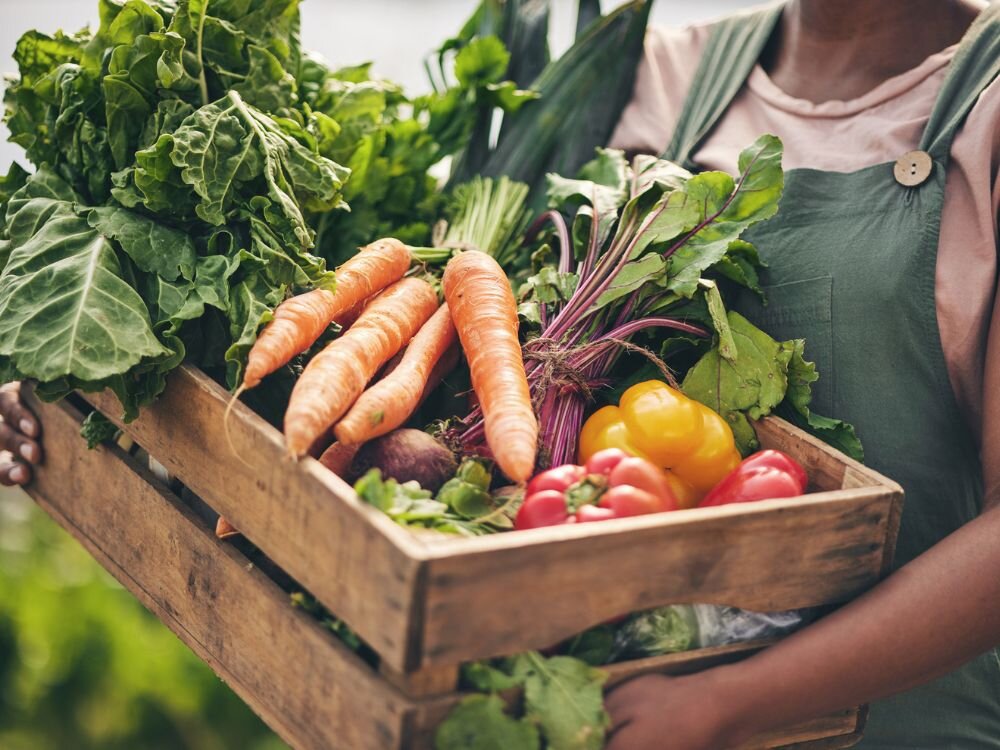
If you’re ready to refresh your garden this season, the newest Log House vegetables have arrived! From bold purple varieties and compact patio growers to chef-driven breeding projects, this year’s lineup offers something for every kind of gardener.
What Makes Log House Vegetables Different?

They’re bred for the Pacific Northwest.
Log House vegetables are developed and selected right in Cottage Grove, Oregon. Plants that are trialed in our climate handle cool springs, warm summer swings, and the kind of growing season we actually have. You’re not guessing whether they’ll adapt because they already have.
They’re chosen for flavor first and performance second.
Many modern vegetables are bred to ship well and sit on shelves. Log House leans the other direction. Flavor, texture, and real garden performance come first. You’ll notice the difference when you slice into a tomato or sauté fresh cabbage.
They’re built for resilience in real gardens.
From compact container options to heat-tolerant brassicas, these plants are selected to perform. That means steady production, better disease resistance, and plants that keep going when the weather shifts.
They fit naturally into sustainable gardening.
Growing your own organic produce is one of the simplest farm-to-table practices you can adopt. Pair this with companion planting and natural pest control methods, and you create a healthier overall garden system.
Early & Mid Spring Arrivals

(Note: Images shown are stock photos and are for example purposes only. Actual Log House Vegetable varieties may vary.)
Early and mid-spring bring the first wave of new Log House Plants into stores. From compact patio growers and chef-driven breeding projects, these early arrivals set the tone for the growing season.
Purple Power Collection #1
The Purple Power Collection brings together Log House vegetables packed with anthocyanins. In plants, anthocyanins act as natural sunscreens, protecting leaves and fruit from intense light and heat. Those same deep purple pigments are linked to antioxidant benefits when you eat them.
Standouts this include:
- “Violetta” Artichoke – A striking Italian heirloom with violet bracts and strong multi-year production.
- “Purple Magic” Broccoli– Sweet, tender heads with great heat tolerance.
- “Purple of Sicily” Cauliflower – Neon-purple florets that shine raw and mellow when cooked.
- “Bulls Blood” Beet – Deep red leaves for salads and flavorful roots for roasting.
These varieties pull double duty. They’re beautiful enough for edible landscaping and productive enough for raised bed gardening. Mix them into flower borders or give them their own colorful bed. Either way, you get a garden that looks good and feeds your family.
Also in the Purple Power collection: “Red Darling” Brussels Sprouts, “Riva” Cabbage, “Purple Lady” Pac Choi, “Beauregarde” Pea, “Sunbor” Kale.
Container Vegetables
The Container Vegetable lineup is designed for patios, balconies, and compact raised beds. Many of these varieties have bush growth habits, shorter maturity timelines, and strong yields without sprawling vines.
Great options for small-space growing include:
- “Saladmore Bush” Cucumber – A semi-bush vine that produces crisp cucumbers without taking over the yard.
- “Patio Baby” Eggplant – Compact plants loaded with tender, glossy fruit.
- “Sugar Basket” Tomato – A trailing cherry tomato perfect for hanging baskets and patio containers.
These are excellent choices for urban agriculture and beginner gardeners. They’re manageable, productive, and forgiving. All you need is a sunny corner and good soil.
Also in the Container Vegetable collection: “Quickfire” Pepper, “Chiffon” Squash, “Cal Sweet Bush” Watermelon.
New to Market Collection
Plant breeders are always working to improve flavor, boost disease resistance, and increase garden performance. When something makes it into the “New to Market” lineup, it means it stood out.
This spring, keep an eye out for:
- “RuBee Dawn” Tomato – An early ripener with rich red color and strong disease resistance. Expect big flavor and a long harvest.
- “Thriller” Squash – A colorful, eye-catching dumpling squash with bold striping and strong yields.
- “Mojito” Cucumber – A bright green, citrus-toned slicer known for crisp texture and high yields.
- “Red Impact” Pepper – A thick-walled, sweet pepper that’s easier to grow than traditional Lamuyo types and highly productive.
- “Astiana” Tomato – An Italian storage tomato that keeps well after harvest, bringing fresh tomato flavor into fall.
Trying a new variety keeps your garden exciting. It also helps you discover plants that may outperform older standards in your soil and climate. If you’ve been gardening for years, this is your chance to experiment. If you’re new to the hobby, it’s a fun way to start building your own favorites list.
Also new this season: “Shinkansen” Eggplant, “Baron Poblano" Pepper, “Granite” Squash, “Beefy Purple” Tomato.

Row 7 Seed Company Collection
Row 7 Seed Company partners with chefs and plant breeders to develop vegetables with better flavor. Now you can grow those chef-focused varieties at home through these Log House vegetables.
Highlights include:
- “Sugar Cone” Cabbage – A smaller, cone-shaped cabbage with naturally sweet, tender leaves that are easy to slice into slaws or sauté for dinner.
- “Beefy Bush Black Resilient” Bean – A highly productive dry bean with deep, rich flavor and strong adaptability in different growing conditions.
- “One To Many” Tomato – A flavorful slicing tomato developed with kitchen performance in mind.
- “Tetra” Squash – A multipurpose delicata bred for flavor at every stage, from tender immature fruit to fully mature winter squash.
These varieties reflect true farm-to-table practices, selected for cooking from the start.
Also in the Row 7 lineup: Lettuce Spinach, “First Lady North South” Cow Pea, “Delfino” Cilantro.
Culinary Breeding Network Collection
The Culinary Breeding Network brings together plant breeders, farmers, and chefs. The goal is simple: create vegetables that perform well in the field and shine in the kitchen.
Standout varieties include:
- “Simone” Kale – A winter-hardy kale with great texture and chef-approved leaf shape.
- “Black Futsu” Squash – A flavorful winter squash known for strong storage and excellent raw or cooked applications.
- “Notta Hotta” Pepper – All the fruity aroma of a habanero with much lower heat, making it easier to use in everyday cooking.
These are strong performers in raised bed gardening and backyard plots. They’re also versatile in the kitchen. Roast them, sauté them, or toss them raw into salads. They’re bred to taste good and not just look good.
Also in the Culinary Breeding Network collection: “Tetsukaboto” Squash, “Mild Thing” Pepper, “Annirita” Tomato.
Purple Power Collection #2
If the first Purple Power Collection got you hooked on bold color, and the second one expands the lineup. New purple standouts include:
- “Filet Velour” Bean – Slim, bright purple pods with a rich flavor and heavy yields on compact plants.
- “Imp Purple Queen” Bean – Easy-to-see glossy purple pods that are simple to harvest and great fresh or cooked.
- “Dancing With Smurfs” Tomato – A blue-toned cherry tomato with red flesh and strong garden performance.
- “Purple” Tomatillo – Deep purple fruit with a sweet-tart flavor, perfect for bold homemade salsas.
These varieties continue the deep color, strong garden performance, and real antioxidant appeal. They also bring serious ornamental value. Tuck purple beans into a mixed bed. Or let indigo tomatoes climb a trellis near your patio. They’re productive, nutritious, and fun to grow.
Also in the Purple Power #2 lineup: “Violet Delight” Eggplant, “Red Burgundy” Okra, “Purple Beauty” Pepper, “Black Magic Jalapeno” Pepper, “Midnight Snack” Tomato.
Believe It or Not Collection
Some vegetables are grown for flavor or yield. But these are grown because they make people stop and stare. The Believe It or Not collection is full of unique shapes and unexpected forms.
Look for:
- “Snake” Gourd – Long, dramatic fruit that climbs and twists.
- “Pumpkin on a Stick” Eggplant – A bright, ornamental eggplant that looks like tiny pumpkins on woody stems.
- “Peter Pepper” Pepper – A pepper famous for its unusual shape and medium heat.
- “Hand Carved” Watermelon – A compact icebox melon with sweet pink-red flesh and striking patterned seeds, perfect for smaller garden spaces.
These are perfect for kids’ gardens, themed gardens, and decorative displays. They’re also great teaching tools. You can talk about plant diversity, pollination, and how different varieties are bred.
Late Spring Arrivals

May brings the next wave of Log House vegetables into stores, with patio-ready plants, sweet potatoes, and pumpkins that carry your garden into summer and fall.
Kitchen Patio Collection
The Kitchen Patio Collection focuses on compact, flavor-forward Log House vegetables designed to live close to your kitchen. These varieties are ideal for deck containers, sunny patios, greenhouse benches, or smaller raised beds.
Standout selections include:
- “Jewel” Eggplant – A compact patio series that produces tender fruit continuously when harvested young.
- “Paragon” Pepper – Sweet, early-yielding plants with manageable size and bright color.
- “Mini Siam” Tomato – A tabletop cherry tomato bred to grow in small containers while producing steady harvests.
- “Demon Red” and “Fruity Volcano” Peppers – Compact plants that deliver bold heat and strong yields in pots.
These plants stay tidy but productive. You can step outside, pick what you need, and bring it straight to the kitchen.
Sweet Potatoes Collection
Because sweet potatoes are heavy feeders, they fit best into a thoughtful crop rotation plan. Avoid planting them where you grew other root crops the previous year. Rotating crops helps maintain soil health and reduces pest pressure.
Popular varieties include:
- “Covington” – Rose skin and sweet orange flesh.
- “Beauregard” – Reliable, adaptable, and great for savory dishes.
- “Georgia Jet” – Fast-growing and well-suited for northern gardens.
- “Purple” – Bright purple skin with streaked flesh for something a little different.
- “Orleans” – A high-yielding variety with deep orange flesh and smooth skin, known for uniform shape and strong storage quality.
Sweet potatoes need a little strategy to grow in the Pacific Northwest. They need around 85–90 days to mature, and a longer time in the ground usually means larger tubers. Just make sure to harvest before the first frost.
Here are some planting tips:
- Start by planting slips in well-drained, full-sun soil.
- Dig a trench about 12–20 inches deep.
- Space plants 12–18 inches apart at the bottom.
- As they grow, hill soil up around them, keeping about 12 inches of foliage above the soil line. This helps tubers develop properly.
Here’s a local tip that matters: Cover both sides of the bed with green or black plastic or ground cloth to warm the soil. Leave a shallow trench visible for watering. Then mark your calendar to pull that plastic back in mid-August.
If you plan now, you’ll be digging sweet, homegrown roots just as the weather turns cool.
Decorative Pumpkins
Decorative pumpkins bring serious personality to the garden. Many of these varieties are excellent keepers, which means they’ll last through fall displays without softening too quickly. They’re perfect for porches, tabletops, and seasonal decorating.
But here’s the best part: Many are also edible. Fun favorites include:
- “Baby Boo” – Mini ivory-white pumpkins that are both adorable and edible.
- “Wee-B-Little” – Baseball-sized orange pumpkins with high yields and smooth rinds.
- “Bunch o’ Warts” – Bold texture and classic fall color.
- “Phantomita” – Compact vines that work well in smaller spaces.
These varieties add charm to edible landscaping and give kids something exciting to watch grow. From planting in late spring to carving in October, they offer a full season of enjoyment.
Also available in Decorative Pumpkins: “Corn Cob” Pumpkin, “Midnight” Pumpkin, “One Too Many” Pumpkin, “Sunrise” Pumpkin, “Orange Peel” Pumpkin.
How to Make the Most of These New Varieties

You picked some exciting Log House vegetables, so now let’s help them perform their best.
Rotate Crops Each Year
Don’t plant the same crop family in the same spot two years in a row. Move tomatoes and peppers to a new bed next season. Follow heavy feeders like squash with lighter crops like beans.
Rotation helps reduce disease pressure and maintain balanced soil nutrients. It’s one of the simplest ways to grow stronger plants year after year.
Mix Varieties for Companion Planting
Don’t plant in long, single-crop rows unless you have to. Mix things up. Pair tomatoes with basil. Tuck lettuce around taller peppers. Grow purple beans next to squash to fill space and attract pollinators.
Companion planting makes better use of space and can support natural pest control. It also makes your garden look fuller and more interesting.
For more help, read our Companion Planting Guide.
Use Raised Beds for Better Drainage
If your soil stays wet in spring, raised beds are your friend. They warm up faster and drain better, which helps crops like peppers, eggplant, and tomatoes get established sooner.
Raised bed gardening also makes spacing and soil improvement easier. You control what goes into the bed, and your plants benefit.
Try Greenhouse Gardening for a Longer Harvest
Want tomatoes earlier? Peppers later into fall? Greenhouse gardening gives you that edge. Even a small hoop house or covered structure can extend your season.
Warmer soil and protection from wind help plants stay productive longer. This is especially helpful in cooler spring months.
Focus on Soil Health for Better Organic Produce
Healthy soil grows healthy food. Do this by adding compost, avoiding overworking the soil, and covering it with mulch when you can.
Healthy soil holds moisture better, feeds plants steadily, and supports beneficial microbes. So if you’re aiming for fresh organic produce from your own backyard, soil health is where it starts.
Check out The Basics of Organic Gardening to learn more.
Start Spring Planting Strong with Locally Grown Log House Plants
This season’s Log House vegetables bring together color, flavor, and garden performance in one strong lineup.
Stop by your local Wilco Garden Center to see what’s in stock and talk with our team about what will work best in your space. Choose your favorites, get them in the ground, and start the season strong!


Store Hours
Monday - Saturday 7am - 8pm, Sunday 9am - 6pm

For questions or help with online orders call: (888) 78-WILCO
Limited to stock on hand. Some items may vary from photos. Because of store size limitations or geography, some items featured may not be available in all stores but will be made available by special order during sale periods at advertised prices. All sale prices listed as “dollars off” or “% off” are discounted from our regular posted shelf price, not from discounts given with specialty, bulk or pallet pricing. Reseller and Drop-shippers must contact us for pre-approval to place orders with the intent to re-distribute.
© 2026, Wilco Farm Store