


Spring Grazing for Horses: How to Safely Transition to Pasture Grass
April 22, 2026
Livestock & Farm
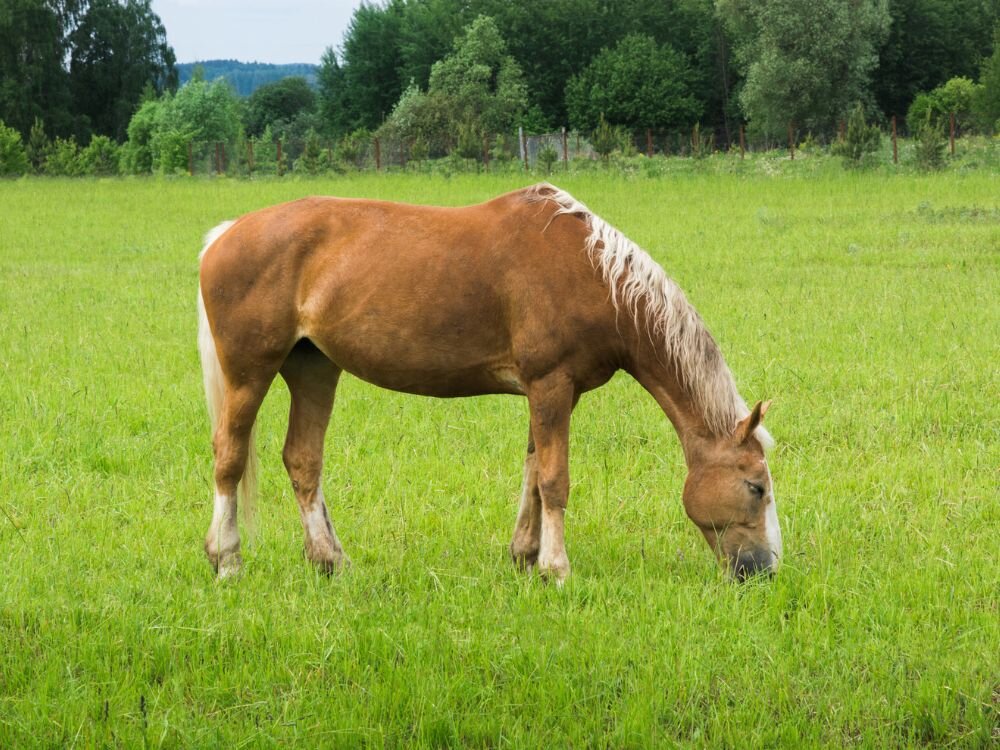
Spring grass is one of the best parts of the season for you and your horse. After months of hay, that fresh green pasture looks like a welcome change. But transitioning horses to spring pasture isn’t as simple as opening the gate and letting them graze all day.
With a little planning and a gradual approach, you can help your horse adjust while keeping your pasture healthy for the season ahead.
Why Horses Need a Gradual Transition to Spring Grass

After eating hay all winter, the first green pasture feels like a buffet for your horse. However, their digestive system needs time to adapt to this seasonal change.
Winter Hay and Fresh Grass Digest Differently
Hay is dry and stable in its nutrient content. Fresh spring grass is very different. It contains much more moisture and a higher concentration of rapidly digestible carbohydrates.
Because of that difference, the digestive system has to adjust. Your horse’s hindgut is used to breaking down hay. When fresh pasture suddenly replaces that diet, the digestive system needs time to shift and rebalance.
Early Spring Grass Is Higher in Sugar
Young grass grows quickly in spring. At this stage of grass growth, plants often contain higher levels of sugars and starches, sometimes called non-structural carbohydrates (NSCs).
These sugars provide energy for plant growth, but they create problems for horses if they eat too much too fast. Rapid intake of high-sugar grass can overwhelm the digestive system and lead to metabolic stress.
Sudden Diet Changes Disrupt Gut Microbes
Your horse’s hindgut is home to billions of microbes that help break down fiber. These microbes thrive when the diet stays consistent.
A sudden switch from hay to rich pasture changes the available nutrients almost overnight. The microbial population needs time to adapt to those new conditions. If that balance is disrupted, it leads to excess gas production, digestive upset, or reduced nutrient absorption.
Rapid Grazing Increases Health Risks
Allowing horses unlimited access to lush spring grass right away increases the risk of several health problems, like laminitis or colic.
These risks are especially important to consider for horses prone to weight gain, metabolic conditions, or other weight management concerns (more on this below).
For more about colic, read 6 Life-Saving Tips For Preventing Colic In Your Horse.
When Should Horses Start Spring Pasture Grazing?
Most horses should begin grazing when pasture grass reaches about 4–6 inches tall and growing conditions are steady. Starting too early puts stress on both the pasture and your horse’s digestive system.
Soil Temperature and Growth Conditions Matter
Grass growth depends heavily on soil temperature. When the soil warms in early spring, plants begin producing new leaves and roots. But early growth can be fragile.
If horses start grazing before the pasture has enough height and root strength, plants struggle to recover. This will thin out the pasture over time.
Healthy grazing starts when the grass has enough growth to support regular use.
Keep an Eye on Pasture Health
Good pasture management also means watching how your pasture responds to grazing. Look for signs such as:
- Grass stays above about 3 inches after grazing
- Even regrowth across the pasture
- No muddy or heavily trampled areas
If grass becomes too short, plants lose the ability to recover quickly. Rotating pastures, limiting turnout time, and allowing rest periods will help maintain healthy grazing areas throughout the spring.
Step-by-Step Schedule for Transitioning Horses to Spring Pasture

Once grass has reached a safe grazing height, you can begin transitioning your horses to spring pasture. The goal is simple: Introduce grass slowly so your horse’s digestive system has time to adjust.
A gradual schedule also helps you watch how your horse responds to fresh pasture. Some horses adapt quickly, while others benefit from a slower pace.
First, Always Keep Hay Available
Even while pasture time increases, it’s helpful to keep hay available. Hay provides steady fiber that supports healthy digestion and helps prevent horses from overeating rich spring grass.
Maintaining hay access also supports weight management and keeps horses from rushing the pasture as soon as turnout begins.
Days 1–3
- 15–20 minutes of grazing per day
Start with short turnout periods. This small amount of grass gives your horse a taste of fresh pasture without overwhelming the digestive system.
After grazing, return your horse to a dry lot or hay feeding. Keeping the rest of the diet consistent helps the gut microbes begin adjusting to the new forage.
Days 4–7
- 30–45 minutes of grazing
If your horse handled the first few days well, you can slowly extend grazing time. Increasing turnout in small steps allows the digestive system to keep adapting.
During this stage, continue watching your horse for any signs of discomfort or sudden weight gain.
Week 2
- 1–2 hours of grazing
By the second week, many horses can handle longer grazing periods. At this point, pasture becomes a larger part of the daily diet. However, it’s still important to increase time gradually.
Week 3 and Beyond
- Gradually extend turnout time
After a few weeks of careful introduction, most horses can handle longer grazing sessions or regular pasture turnout. Continue extending grazing time slowly until you reach your desired routine.
Some horse owners choose partial-day turnout, while others move toward full-time grazing (depending on pasture conditions).
Horses That Need Extra Caution During Pasture Transition
If your horse falls into one of these groups, a gradual approach and close monitoring are especially important.
Overweight Horses
Horses that are already carrying extra weight may gain even more during spring grazing. Fresh grass is more calorie-dense than winter hay, which can make weight gain happen quickly.
In these cases, limiting grazing time and maintaining hay in the diet supports better weight management. Regular body condition checks also help you catch weight changes early.
Easy Keepers
Some horses simply maintain weight very easily. These “easy keepers” often thrive on small amounts of feed, which means lush pasture grass provides more energy than they need.
Careful control of turnout time, along with monitored grazing schedules, can help prevent rapid weight gain.
Horses with Metabolic Syndrome
Horses with equine metabolic syndrome (EMS) have difficulty regulating insulin and blood sugar levels. High-sugar pasture can trigger metabolic stress in these animals.
These horses often benefit from a slower transition into pasture. Working with a veterinarian can help determine the safest grazing plan.
Ponies and Certain Breeds
Ponies and some horse breeds are naturally efficient at storing energy. Breeds like Morgans, Arabians, and many pony types often require careful pasture management.
Because they are adapted to thrive on limited forage, spring grass can quickly exceed their nutritional needs.
Horses with a History of Laminitis
Horses that have experienced laminitis previously require the most caution. Even small changes in diet increases the risk of another episode.
For these horses, grazing needs to be limited or carefully timed. Many owners introduce pasture more slowly than the typical schedule and monitor their horse closely during the transition.
Taking extra care with these higher-risk horses helps keep spring grazing safe while still allowing them to enjoy time on pasture.
Monitoring Horses During the Transition

As you begin transitioning horses to spring pasture, regular observation becomes one of your most helpful tools. Checking in on your horse each day helps you spot small changes early and adjust grazing time if needed.
Here are a few things worth watching during the transition.
Changes in Manure
Because pasture contains more moisture than hay, manure may appear softer or slightly looser.
A mild change is normal during the adjustment period. However, very watery manure or sudden digestive upset signals that grazing time has increased too quickly.
If that happens, shortening pasture time for a few days helps the digestive system settle.
Signs of Foot Soreness
Fresh spring grass can increase the risk of laminitis in some horses. One of the earliest warning signs is foot soreness.
Watch for behaviors such as:
- Reluctance to walk or turn
- Standing with weight shifted back onto the hind legs
- Increased sensitivity on hard ground
If you notice these signs, remove the horse from the pasture and contact your veterinarian.
Sudden Weight Gain
Spring grass adds calories quickly. Some horses begin gaining weight within a few weeks of regular grazing.
Take a moment to run your hand along your horse’s ribs and topline every few days. This simple habit helps you track body condition and supports good weight management throughout the grazing season.
If weight gain starts happening too quickly, reducing grazing time or rotating pasture areas may help.
Behavioral Changes
Sometimes the first signs of dietary changes appear in behavior. A horse that feels uncomfortable may seem restless, less energetic, or unwilling to move normally. You might also notice unusual appetite changes or signs of mild discomfort after grazing.
These small changes provide helpful clues about how well your horse is adjusting to pasture.
Tools That Help Control Spring Grazing
A few simple pieces of equipment help control grazing time, protect pasture health, and support safe transitions as horses adjust to fresh grass.
Temporary Fencing
This setup makes rotational grazing easier and helps prevent horses from overgrazing one area. It also lets you introduce fresh pasture gradually while protecting sections that need time to recover.
Grazing Muzzles
These are especially helpful for horses that gain weight easily or need weight management. A grazing muzzle slows intake without completely removing the horse from turnout, helping maintain normal movement and social behavior.
Pasture Seed Mixes
Healthy pasture starts with healthy grass. Overseeding worn areas with horse-friendly pasture seed mixes helps maintain thick, productive grazing areas. Check out Pasture Seeding 101 for more help.
Hay Feeders
Even as pasture becomes available, hay often remains part of the diet during the transition period. Using hay feeders helps keep hay clean, reduces waste, and provides a steady source of fiber.
With the right equipment and a thoughtful grazing plan, it becomes much easier to manage pasture safely while giving horses the chance to enjoy fresh spring grass.
Building a Healthy Spring Grazing Routine

A smooth transition to spring pasture comes down to a few simple habits: start slow, pay attention, and adjust as needed.
As spring gets underway, keep checking in on your horse, your grass, and your routine. Those small daily decisions are what build a safe and successful grazing season.
And a smooth transition often comes down to having the right setup. Stop by your local Wilco Farm Store or explore horse supplies online to find what works best for you.


Store Hours
Monday - Saturday 7am - 8pm, Sunday 9am - 6pm

For questions or help with online orders call: (888) 78-WILCO
Limited to stock on hand. Some items may vary from photos. Because of store size limitations or geography, some items featured may not be available in all stores but will be made available by special order during sale periods at advertised prices. All sale prices listed as “dollars off” or “% off” are discounted from our regular posted shelf price, not from discounts given with specialty, bulk or pallet pricing. Reseller and Drop-shippers must contact us for pre-approval to place orders with the intent to re-distribute.
© 2026, Wilco Farm Store