


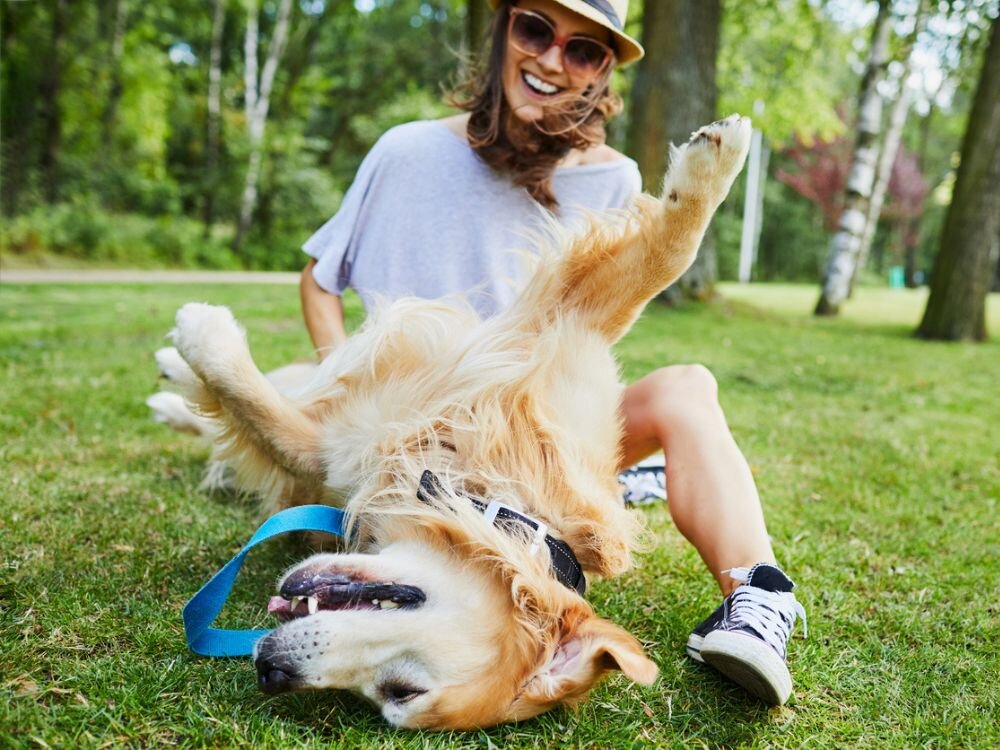
Summer usually means more time outside with your pets: longer walks, lake days, and afternoons spent working or relaxing outdoors. But warmer weather also brings a different set of risks that some pet owners don’t notice until there’s already a problem.
The good news is that most summer hazards for pets are preventable with a little preparation. Knowing what to watch for, where risks tend to show up, and how to respond early will help keep your pets safer and more comfortable all season.
What Are the Most Common Summer Hazards for Pets?

Here’s a quick look at the most common summer hazards for pets:
- Foxtails
- Fleas, ticks, & parasites
- Heat and dehydration
- Unsafe drinking water
- Swimming risks
- Backyard and travel hazards
A quick walk through the yard or a day at the lake can turn into a vet visit if you’re not watching for these risks.
Foxtails

Foxtails are one of the most common hidden summer risks for pets, especially in dry grassy areas. They’re barbed grass seeds that latch onto fur with almost no effort. You’ll usually find them in dry fields, along trails, and in areas that haven’t been maintained.
They might look harmless, but their shape is what makes them dangerous. Once they attach, they’re designed to move in one direction: forward. That’s what makes them much more dangerous than ordinary grass seeds.
They commonly embed in:
- Ears
- Nose
- Skin
- Paws (between toes or pads)
From there, they can travel deeper, causing pain, infection, and more serious complications if left untreated.
Signs to Watch For
Foxtail problems often start with small changes in behavior. Watch for:
- Excessive licking or chewing (especially paws)
- Head shaking or frequent sneezing
- Swelling, redness, or limping
Prevention Tips
- Avoid heavy foxtail areas when possible. Dry, unmanaged fields and overgrown trails tend to have the highest exposure. Choosing maintained paths can help reduce contact.
- Trim fur around paws and ears. Longer fur gives foxtails more places to hide. Keeping these areas groomed makes seeds easier to spot and remove.
- Check your pet after every outing. Look closely at paws, ears, under the collar, and around the belly. Catching a foxtail early is much easier than dealing with one after it embeds.
- Use grooming tools after time outside. Brushes and combs help remove foxtails before they work deeper into the coat or skin.
Fleas, Ticks, and Parasites

Fleas and ticks don’t need much to find your pet, since warm weather makes them more active and helps them spread faster.
They’re most common in:
- Tall grass where seeds and pests often live side by side
- Wooded areas that provide shaded, humid spots ideal for ticks
- Yards, especially if the grass is overgrown or wildlife passes through
Even a quick trip outside can be enough for pests to hitch a ride. That’s why flea and tick prevention matters more in summer than any other season.
Signs to Watch For
Fleas and ticks are small, but the signs they leave behind usually aren’t. Watch for:
- Excessive scratching or biting at the skin
- Red or irritated areas in the coat
- Hair loss or scabbing
- Small dark specks in the fur
You might also notice your pet acting restless or uncomfortable after spending time outside. Catching parasites early helps prevent more serious skin and health problems later.
Prevention Tips
- Check your pet regularly. Look through the coat after time outside, especially around the ears, belly, legs, and under the collar.
- Use preventative flea and tick treatments. Vet-recommended flea and tick prevention products add an extra layer of protection during high-risk months.
- Keep grass and outdoor areas maintained. Shorter grass and cleaner yard spaces reduce hiding places for pests.
- Brush your pet after outdoor activity. Grooming tools help remove debris, loose fur, and pests before they become a bigger issue.
For more help, read:
Heat and Dehydration

Pets don’t cool down the same way you do. They rely mostly on panting, which only goes so far, especially on hot, still days. Add in thick fur, hot ground, or limited shade, and their body temperature can rise fast without much warning.
Signs to Watch For
Heatstroke in pets can escalate quickly, so it’s important to know what to look for. Common signs include:
- Heavy, nonstop panting
- Lethargy or unusual tiredness
- Vomiting or signs of disorientation
You might also notice your pet struggling to move, drooling more than usual, or seeming “out of it.” At that point, it’s already serious.
Prevention Tips
- Provide shade and water access. Always give your pet a cool place to rest and fresh water to drink. This helps regulate body temperature throughout the day.
- Avoid peak heat hours. Early mornings and evenings are usually safer for walks, play, or outdoor work. Midday heat becomes dangerous quickly.
- Keep water accessible during activities. Pets won’t always stop and rest on their own. Regular water breaks help prevent dehydration before it becomes a problem.
- Use cooling products when needed. Cooling mats, towels, or vests can help pets stay more comfortable on hot days, especially during travel or long periods spent outside.
For more ways to battle the heat, check out:
Unsafe Drinking Water

When pets get hot or thirsty outside, they often drink from the nearest water source. The problem is that lakes, ponds, puddles, buckets, and slow-moving water can contain bacteria, parasites, or toxic algae that are dangerous for pets.
Some water-related illnesses cause mild stomach upset. Others can become serious or even fatal within a short amount of time.
Blue-green algae is one of the biggest concerns during the summer. It can grow in warm, stagnant water and may look like green scum, floating paint, or thick algae mats near the surface.
Signs to Watch For
Symptoms can appear quickly after exposure. Watch for:
- Vomiting or diarrhea
- Excessive drooling
- Weakness or unusual tiredness
- Trouble walking or disorientation
- Seizures or collapse in severe cases
If your pet shows these symptoms after drinking outdoor water, contact your veterinarian or an emergency vet immediately.
Prevention Tips
- Bring fresh water during outings. Portable water containers make it easier to keep pets hydrated without relying on unknown water sources.
- Avoid stagnant or discolored water. Warm ponds, puddles, and slow-moving water are at higher risk, especially if you notice algae growth or unusual smells.
- Give pets regular water breaks. Pets are more likely to drink unsafe water when they become overheated or dehydrated.
- Keep outdoor water bowls clean. Backyard bowls should be emptied and refilled often during hot weather to help reduce bacteria buildup.
Swimming Risks

Water can be a great way for pets to cool off, but it’s not risk-free. Some breeds struggle in the water, especially those with short legs or heavier bodies. Even confident dogs can misjudge distance or depth.
Also, swimming takes a lot of energy. A dog that seems fine one minute can tire quickly, especially in the heat or moving water.
Signs to Watch For
Problems in the water can escalate quickly, so it helps to watch for early signs of fatigue or stress. Watch for:
- Slower swimming or struggling to stay afloat
- Heavy panting after short activity
- Trouble getting out of the water
- Panic, hesitation, or unusual behavior in deeper areas
Even calm water can become dangerous if a pet becomes unexpectedly tired.
Prevention Tips
- Use a life vest when needed. A properly fitted life vest adds support and visibility. This is especially helpful for boating, deeper water, longer swim sessions, or dogs that are weaker swimmers.
- Supervise pets closely around water. Calm lakes and pools still carry risks. Slippery edges, drop-offs, and fatigue can create problems fast.
- Give pets breaks during activity. Swimming uses a lot of energy. Rest breaks help prevent exhaustion and overheating.
Check out our other guides for more summer tips and ideas:
- 33 Safe and Fun Summer Activities for Your Dog
- The 9 Best Dog Water Toys for the Pool, Lake, or Ocean
Backyard and Travel Hazards

Backyard gatherings, outdoor projects, and summer travel can all introduce risks that are easy to overlook.
Backyard Risks
Your own yard can quickly become a hazard zone during busy summer weekends.
- Food scraps and leftovers can upset your pet’s stomach or cause choking. What falls on the ground doesn’t stay there long with a curious pet around.
- Sharp tools or debris from yard work, broken branches, grill equipment, or leftover project materials can lead to cuts and injuries. This is more common after mowing, trimming, or outdoor projects.
Summer Travel
Taking your pet along for the ride adds a few extra things to think about.
- Cars heat up fast, even with windows cracked. It only takes minutes for temperatures to become dangerous.
- New places mean unfamiliar terrain, wildlife, smells, and distractions. Pets may wander, become stressed, or get into unsafe areas.
Signs to Watch For
These signs can indicate injuries, overheating, or something unsafe your pet may have ingested. Watch for:
- Limping or favoring a paw
- Vomiting or diarrhea
- Excessive drooling or chewing
- Unusual nervousness or pacing
Prevention Tips
- Do a quick yard scan before letting pets out. Pick up sharp debris, tools, food scraps, and anything else pets could chew on or step on.
- Never leave pets in parked vehicles. Even short stops can become dangerous during hot weather.
- Bring travel essentials. Portable water containers, shade options, and basic first aid supplies help you handle problems before they escalate.
- Give pets time to adjust to new environments. Keeping pets supervised and easing them into unfamiliar spaces helps reduce stress and risky behavior.
Read Traveling With Your Dog Made Easy for more tips.
A Quick Post-Outdoor Checklist To Help Prevent Bigger Problems
After a walk, lake day, or time working outside, a quick routine can help your pet cool down, clean up, and settle comfortably back inside.
1. Refill Water and Encourage a Break
Pets often don’t show how tired they are until the activity stops. Offer fresh, clean water right away and give them a cool place to rest.
2. Wipe Down Paws and Fur
A quick wipe-down helps remove dirt, grass seeds, mud, and anything else picked up outside. Pay extra attention to:
- Paw pads and between toes
- Around the ears
- Belly and lower legs
This also helps keep debris from getting tracked through the house.
3. Dry Off Wet Fur and Ears
If your pet has been swimming or playing in water, take a minute to dry the coat and ears. Moisture trapped against the skin can lead to irritation, especially during hot weather.
4. Do a Quick Comfort Check
Before settling in for the evening, take a quick look at how your pet is acting. Are they:
- Walking normally?
- Breathing comfortably?
- Acting like themselves?
Small behavior changes are often the first sign that something isn’t right.
Helping Your Pets Stay Safe All Summer
Checking your pet regularly, bringing the right supplies, and paying attention to behavior changes helps you catch problems early and avoid bigger issues later. These simple habits don’t take long, but they can make summer outings safer, cleaner, and much more comfortable for your pet.
Explore Wilco’s pet care supplies to help your pets stay ready for summer adventures.


Store Hours
Monday - Saturday 7am - 8pm, Sunday 9am - 6pm

For questions or help with online orders call: (888) 78-WILCO
Limited to stock on hand. Some items may vary from photos. Because of store size limitations or geography, some items featured may not be available in all stores but will be made available by special order during sale periods at advertised prices. All sale prices listed as “dollars off” or “% off” are discounted from our regular posted shelf price, not from discounts given with specialty, bulk or pallet pricing. Reseller and Drop-shippers must contact us for pre-approval to place orders with the intent to re-distribute.
© 2026, Wilco Farm Store