Shopping at Pasco - Monday - Saturday 7am - 8pm, Sunday 9am - 6pm
PascoMonday - Saturday 7am - 8pm, Sunday 9am - 6pm



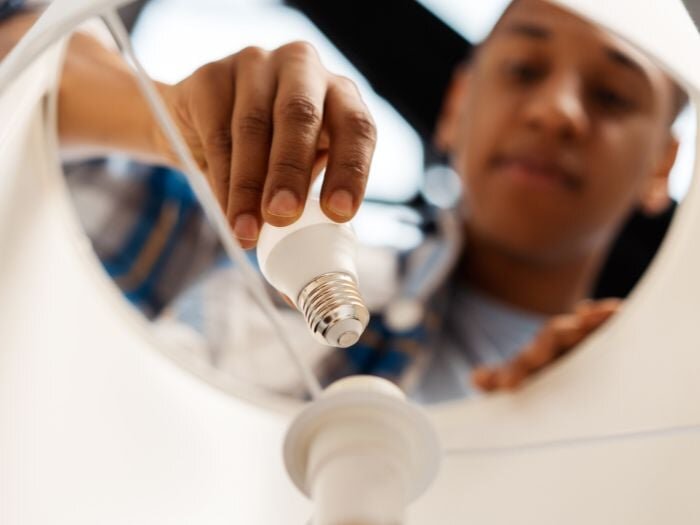
Conserving water and energy at home isn’t just about saving money. It’s about building a smarter, more sustainable way of living. Whether you're trying to shrink your utility bill or live more eco-consciously, small changes will lead to big results.
Let’s start with the first step: finding where energy and water are slipping through the cracks.
 A home energy audit is a simple process that helps you determine how much energy your home uses and where it’s being wasted.
It looks at your heating and cooling system, insulation, lighting, plumbing, and more. You can hire a professional, but there are also plenty of things you can check yourself.
Here’s what to look for:
A home energy audit is a simple process that helps you determine how much energy your home uses and where it’s being wasted.
It looks at your heating and cooling system, insulation, lighting, plumbing, and more. You can hire a professional, but there are also plenty of things you can check yourself.
Here’s what to look for:
 Heating and cooling can account for over half of your home’s energy use, so it’s one of the best places to cut waste and save money. The good news? You don’t have to sacrifice comfort to do it. A few smart changes will go a long way.
 Saving water at home doesn’t mean shorter showers or fewer loads of laundry. It means using water smarter. A few easy upgrades will help you cut water waste and move toward a more eco-friendly home without giving up comfort.
 Sticking with home water and energy conservation isn’t a one-time project but a habit. And the good news is, you don’t have to do everything at once. Just keep building on small changes, and they’ll add up.
Begin with a Home Energy Audit
A home energy audit is a simple process that helps you determine how much energy your home uses and where it’s being wasted.
It looks at your heating and cooling system, insulation, lighting, plumbing, and more. You can hire a professional, but there are also plenty of things you can check yourself.
Here’s what to look for:
- Feel for drafts. On a breezy day, walk around windows, doors, baseboards, and outlets. If you feel cool air or see curtains move, that’s a draft.
- Check faucets and toilets for leaks. For toilets, put a few drops of food coloring in the tank. Wait 10 minutes. If the color shows up in the bowl, there’s a leak.
- Inspect your water heater and pipes. If your water heater isn’t insulated, it’s losing heat. The same goes for exposed hot water pipes. Also, check the temperature setting. 120°F is usually hot enough and saves energy.
- Look at your lighting. Walk from room to room and count how many bulbs are still incandescent or halogen. And note which rooms frequently have the lights left on (like the basement or utility room).
- Test vents and filters. Open vents should be clean and unobstructed by furniture. Check HVAC filters. A clogged filter makes your system work harder and use more power.
- Examine the insulation in your attic and crawl space. Can you see the tops of the ceiling joists? If so, you probably need more insulation. While you're up there, check for signs of moisture or mold, which signal poor ventilation or leaks.
- Check for phantom power. Note where small appliances, chargers, and electronics are plugged in when not used. These devices pull energy even when off (yep, your coffee maker too).
Heating and Cooling
Heating and cooling can account for over half of your home’s energy use, so it’s one of the best places to cut waste and save money. The good news? You don’t have to sacrifice comfort to do it. A few smart changes will go a long way.
Insulation
Thermostats work best when your home holds its temperature. That’s where insulation comes in.- Add pipe wrap on hot water lines to keep heat from escaping.
- Use weatherstripping and caulk to seal drafty doors and windows.
- Install foam gaskets behind outlet covers on exterior walls.
HVAC Maintenance Steps
These quick tasks make a big difference for your HVAC’s efficiency:- Clear vents of dust and make sure furniture isn’t blocking airflow.
- Change your HVAC or furnace filter every 1–3 months. Dirty filters slow airflow and make your system work harder.
- Vacuum around air returns and baseboard heaters to reduce buildup.
- If you have ceiling fans, reverse the direction in winter to push warm air down.
Thermostat
If you’re still adjusting the thermostat by hand every morning and night, there’s an easier way. Programmable thermostats let you set a schedule so your system isn’t working overtime when no one’s home or while you're sleeping. Even better, smart thermostats learn your habits and adjust automatically. Many models let you control everything from your phone, so you can turn the heat down from the car or warm things up before you get home. Here’s a quick cheat sheet for energy-saving thermostat settings:- Winter: 68°F when you’re home, 60–62°F at night or when away
- Summer: 76–78°F when you’re home, up to 85°F when away
Energy-Efficient Lighting and Appliances
If your home still relies on old bulbs and aging appliances, you probably use more power than you need. Upgrading to energy-efficient lighting and appliances is a simple way to cut your utility bill.LEDs and Sensors
Start with the lights. LED bulbs use up to 80% less energy than traditional incandescents and last 10 times longer. That means fewer replacements and lower electricity costs over time. Plus, they come in all kinds of styles and brightness levels, so it’s easy to match the feel of your space. Want to go a step further? Try motion sensor lights in garages, mudrooms, and outdoor areas. They only turn on when needed, saving energy and adding security.Old Appliances
Older appliances might still run fine, but behind the scenes, they use more electricity (and water) than newer models. Energy-efficient appliances like refrigerators, washers, and dishwashers are designed to do the same job using less power, and many qualify for rebates or tax credits. If a full replacement isn’t in the cards right now, even smaller upgrades help:- Use smart power strips to stop “phantom” energy loss from plugged-in devices.
- Add outlet timers to control when lights, heaters, or other small appliances turn on and off.
Indoor Water Efficiency
Saving water at home doesn’t mean shorter showers or fewer loads of laundry. It means using water smarter. A few easy upgrades will help you cut water waste and move toward a more eco-friendly home without giving up comfort.
Plumbing Fixtures
Start with your fixtures. Low-flow showerheads and faucet aerators are easy to install and will cut your water use in half. They control the flow without affecting pressure, so you’ll barely notice a difference (except when your water bill comes). If your toilet is over 15 years old, it might use three times more water per flush than today’s high-efficiency toilets. Replacing it with a newer model will save thousands of gallons a year.Fix Leaks
A slow drip might seem harmless, but even a tiny leak can waste up to 20 gallons of water daily. Leaky faucets, running toilets, and loose fittings add up fast. Take a few minutes to check under sinks and around hose bibs. If you spot a problem, use sealants, washers, and repair tools to fix it fast. If the leak is coming from a hose, read How to Replace a Hose on a Faucet or Toilet for more help.Reuse Water
If you really want to go green, look into gray water recycling. This means collecting gently used water from sinks, showers, or washing machines and using it to water your landscape. Some folks set up buckets in the shower. Others use simple diverter valves or collection systems. Just be sure to follow basic safety rules:- Only use gray water on non-edible plants.
- Don’t store it for more than 24 hours.
- Keep it away from kids and pets.
Outdoor Irrigation
Your yard might be beautiful, but it is also one of the biggest water users on your property. Luckily, there are smart ways to keep things green without wasting a drop.Watering with Smart Irrigation
Smart irrigation systems take the guesswork out of watering. Instead of running your sprinklers on a set schedule (even when it rains), these systems adjust based on weather, soil moisture, and time of day. That means your lawn and garden get the water they need only when they need it. Even if you’re not ready to go fully high-tech, small upgrades will make a big impact:- Drip irrigation kits deliver water right to plant roots with minimal waste.
- Soaker hoses reduce evaporation and work great in flower beds or veggie gardens.
- Hose-end timers help control when and how long you water – no more forgetting the sprinkler for hours.
Reuse Rainwater
Rainwater harvesting is another smart way to conserve. But before you start, check your state and local laws to see if this is allowed. If you're good to go, to get started, you’ll need:- A rain barrel (with a spigot or hose connection)
- A gutter diverter to direct water from your roof
- A mesh filter or screen to keep out leaves and debris
Final Tips and Ongoing Habits
Sticking with home water and energy conservation isn’t a one-time project but a habit. And the good news is, you don’t have to do everything at once. Just keep building on small changes, and they’ll add up.
- Turn off the lights when you leave a room.
- Unplug devices you’re not using (or use a smart power strip to make it automatic).
- Wash full loads of laundry with cold water to save energy and water.
- Air-dry clothes when possible, especially outdoors in warm weather.
- Use timers and smart plugs to limit energy use when you're not home.
- Water your lawn in the early morning to cut evaporation.
- Seal up drafty spots each fall before the cold hits.
- Keep an eye on your water bill. Spikes may signal a leak.
Seasonal Checklists and Routine Maintenance
Create a seasonal checklist to stay on track:- Spring: Check irrigation systems and inspect rain barrels.
- Summer: Clean fans and check for appliance efficiency.
- Fall: Wrap pipes, test your thermostat, and seal doors & windows.
- Winter: Insulate exposed plumbing, reduce hot water use, and adjust heating schedules.
Build a Smarter, Greener Home
With a few smart updates and some everyday habit changes, you will reduce waste, lower your bills, and feel good about how your home uses water and energy. Looking to make your home work smarter and waste less? Shop Wilco’s plumbing, electrical, and watering supplies today – and start building a home that’s better for your family and the planet.
Orders
Services
About
Your Pasco Wilco Store

Store Hours
Monday - Saturday 7am - 8pm, Sunday 9am - 6pm

Need Help?
For questions or help with online orders call: (888) 78-WILCO
Limited to stock on hand. Some items may vary from photos. Because of store size limitations or geography, some items featured may not be available in all stores but will be made available by special order during sale periods at advertised prices. All sale prices listed as “dollars off” or “% off” are discounted from our regular posted shelf price, not from discounts given with specialty, bulk or pallet pricing. Reseller and Drop-shippers must contact us for pre-approval to place orders with the intent to re-distribute.
© 2026, Wilco Farm Store