

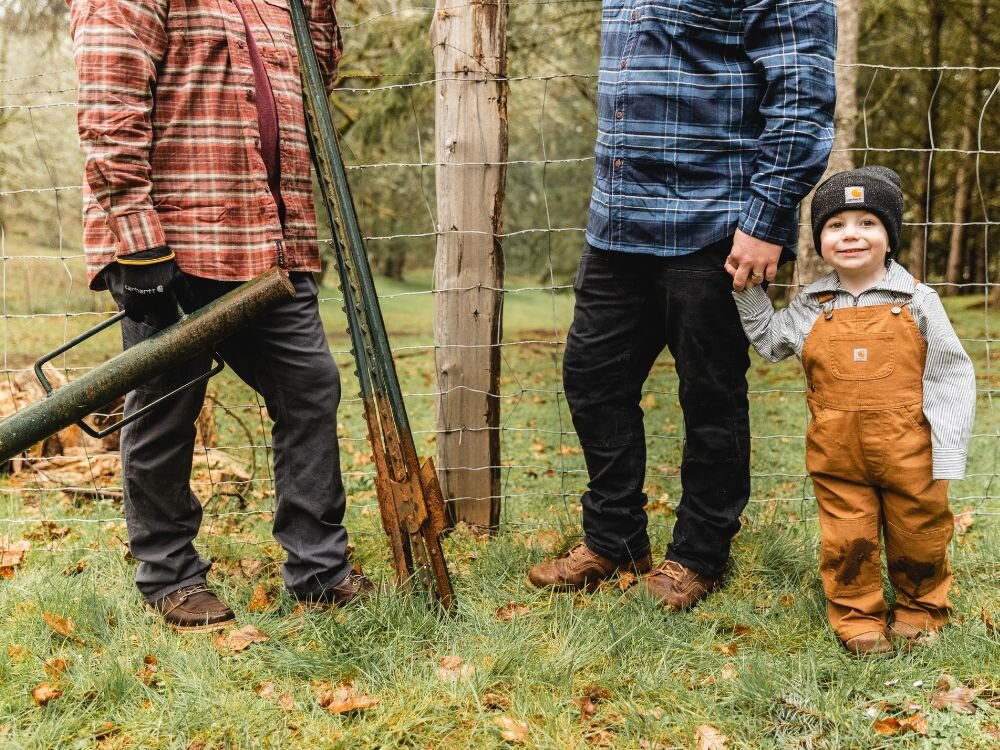
Figuring out what to wear for gardening or yardwork sounds simple until you’re halfway through a project, overheated, scratched up, or dealing with sore knees. The right clothing makes a big difference by helping you stay comfortable, move easier, and avoid the small issues that slow you down or cut your work short.
Whether you’re planting, tackling yardwork, or repairing a fence, a few smart choices will set you up for a productive day outside.
How to Choose the Right Clothing

Before you grab whatever’s closest, it helps to think through what your clothes actually need to handle. The right setup comes down to four things: protection, comfort, durability, and mobility.
- Protection – With yardwork, you’re dealing with thorns, splinters, and long hours in the sun. More coverage usually beats convenience.
- Comfort – If you’re sweating and overheating, you won’t last long outside. So you’ll want lightweight layers that still provide coverage.
- Durability – Yardwork is hard on clothing. Stronger materials and reinforced stitching hold up better when you’re lifting or working around rough surfaces.
- Mobility – You’ll be bending, kneeling, reaching, and carrying throughout the day. Clothing should move with you, not fight against you.
Keep these four factors in mind when choosing gear that works for the jobs you’re tackling.
Build a Simple, Reliable Yardwork Outfit
You don’t need a complicated setup. A few solid pieces cover most of what you’ll do outside. The goal is to keep it simple, comfortable, and easy to repeat every time you head out.
Shirts

It might feel natural to reach for a t-shirt, but a long-sleeve gardening shirt is often the better choice. More coverage means less skin exposed to the sun, scratches from branches, and dirt.
The key is choosing the right long-sleeve shirt so you stay cool instead of overheating.
Choose Breathable, Lightweight Fabrics
The goal is to stay covered without overheating. Look for:
- Lightweight, breathable fabric → allows airflow so heat doesn’t get trapped
- Moisture-wicking fabric → pulls sweat off your skin so you stay drier
- Looser or relaxed fit → gives you better ventilation and easier movement
- Vent panels or mesh zones (common in workwear) → help release heat during long jobs
This helps you stay cooler and more comfortable, especially during longer jobs. To learn more about fabrics, check out The Ultimate Guide to Workwear Fabrics.
Look for Sun Protection Clothing
Sun protection clothing is designed to block more UV rays than a standard shirt. This is where you’ll see something called a UPF rating.
UPF (Ultraviolet Protection Factor) measures how much UV radiation the fabric blocks. For example:
- UPF 30 blocks about 97% of UV rays
- UPF 50 blocks about 98%
That might not sound like a big difference, but over hours in direct sun, it adds up.
These shirts are often:
- Tighter woven (so less sunlight passes through)
- Made with synthetic fibers that reflect or absorb UV better than cotton
Sun Protection Clothing vs Regular Cotton
A basic cotton shirt will work, but it has limits. Cotton tends to hold moisture, which can leave you feeling damp and heavy.
In contrast, performance fabrics keep things drier and more comfortable as you move.
If you’re only outside for a few minutes, it won’t matter much. But for longer yardwork sessions, the difference is noticeable.
Shop Women’s Workwear↗ | Shop Men’s Shirts↗
Pants

It’s tempting to wear shorts (especially on a hot day), but for most yardwork, pants are the better choice.
Why Pants Work Better
Pants give you a layer of protection that shorts simply can’t. They help protect against scratches from plants or rough surfaces, insects, and sun exposure.
It’s common to use old jeans or worn-out pants for yardwork, but they tend to fail faster. You may notice stiff fabric that makes movement harder or weak spots that tear easily.
That’s where workwear-style pants make a difference since they’re designed to handle repeated movement. When looking for yardwork pants, focus on features that help you move and hold up under use:
- Stretch fabric or flex panels → makes it easier to kneel, squat, and step over obstacles without feeling restricted
- Articulated or reinforced knees → built-in shaping or extra material at the knees helps when you’re kneeling often and reduces wear over time
- Durable fabrics (like canvas or ripstop) → resist tearing when you brush against wood, fencing, or tools
- Reinforced seams or double stitching → helps pants last longer under repeated movement and stress
- Midweight material → thick enough for protection, but still breathable for longer jobs
These features are what separate “just pants” from something that actually works outside.
Shop Women’s Work Pants↗ | Shop Men’s Work Pants↗
When Shorts Might Work
Shorts are fine for quick, low-risk tasks, like:
- Watering plants
- Light weeding in clear garden beds
- Checking on your yard
For anything more demanding, pants are the safer and more practical choice.
Shop Women’s Shorts↗ | Shop Men’s Shorts↗
Shoes

Wet ground, uneven surfaces, and heavy tools all put your feet to work. Choosing the right footwear keeps you steady, dry, and protected.
Gardening Boots
Gardening boots are a go-to for everyday yard tasks, especially when water or mud is involved.
Look for:
- Waterproof materials (rubber or treated leather) → keeps your feet dry when watering or working in damp soil
- Slip-resistant soles → helps you stay steady on wet grass, mud, or loose dirt
- Easy pull-on design → convenient when you’re going in and out of the house
These work best for planting, watering, and general garden maintenance where conditions can get messy.
Shop Women’s Rubber Boots↗ | Shop Men’s Rubber Boots↗
Work Boots or Western Boots
For heavier jobs, you’ll want something more supportive.
Look for:
- Thicker soles and reinforced construction → protects your feet from tools, debris, and uneven ground
- Ankle support → helps stabilize your footing when lifting, climbing, or working on rough terrain
- Durable outsoles with traction → gives you better grip on gravel, dirt, or sloped areas
These are a better fit for fence repair, hauling materials, or any task where stability matters.
Shop Women’s Work Boots↗ | Shop Women’s Western Boots↗
Shop Men’s Work Boots↗ | Shop Men’s Western Boots↗
When Regular Shoes Fall Short
Sneakers or casual shoes seem fine at first, but they’re not built for outdoor work. You may notice slipping on wet grass, soaking through when working with water, or the lack of protection from heavy items.
If you’re doing more than a quick task, it’s worth switching to footwear designed for outdoor work.
For more help, read:
- Finding the Perfect Work Boot
- All About Women's Work Boots
- Reliable Rain Boots
- The Best Boots for Farm Work
Gloves

It’s easy to skip gloves for quick tasks, but your hands usually pay for it later. A good pair of gloves does more than protect your skin. It helps you work longer, grip better, and avoid small injuries.
What to Look for in Gardening Gloves
These features help reduce fatigue and make tools easier to handle.
- Reinforced palms and fingers → adds protection where you grip tools and handle rough materials
- Grip textures or coatings (like rubber or nitrile) → helps you hold tools securely, even when wet
- Breathable backs or panels → keeps your hands from overheating during longer tasks
- Flexible fit → allows better control when digging, planting, or using small tools
Match Your Gloves to the Job
For light planting and general gardening:
- Flexible, lightweight gloves
- Breathable materials for comfort
- Coated palms for grip without bulk
These let you move easily and still feel what you’re working with.
For heavier work like fence repair or hauling:
- Thicker materials (like leather or reinforced synthetics)
- Extra padding or layered protection
- Strong grip for handling wire, wood, and tools
These are built to take more wear and protect your hands when the work gets rough.
If you’re switching between tasks, it’s worth having more than one pair on hand. For more glove help, read Choose the Right Leather Work Gloves.
Don’t Skip These Small Accessories (They Make a Big Difference)
The basics get you started, but the right accessories can make your time outside much more comfortable and efficient.
UV Protection Hat
A UV protection hat does more than just keep the sun out of your eyes. It helps reduce direct sun exposure to your face and neck and keeps you cooler during long stretches outside.
Look for:
- Wide brims (all the way around) → protects your face, ears, and neck, not just your eyes
- UPF-rated fabric → blocks more UV rays during long sun exposure
- Breathable materials or vented panels → helps release heat and keep air moving
- Adjustable chin straps → keeps the hat in place on windy days
Knee Pads
If you spend any time planting or weeding, your knees will feel it. Knee pads for gardening help add cushioning on hard or uneven ground, reduce strain during longer tasks, and make it easier to stay in one spot to work.
Look for:
- Foam or gel padding → cushions your knees on hard or uneven ground
- Flexible or ergonomic designs → allows you to move and shift positions easily
- Adjustable straps → keeps pads from sliding around as you work
Garden Aprons
A garden apron keeps your most-used tools right where you need them. It keeps gloves, pruners, and seed packets within reach and reduces trips back and forth across the yard.
Look for:
- Multiple pockets or divided compartments → keeps tools, gloves, and other items easy to grab
- Durable fabric → holds up to dirt, tools, and repeated use
- Adjustable straps or waist ties → keeps the apron secure while you move
Arm Protection Sleeves
Arm protection sleeves are a simple way to add coverage without wearing a full long-sleeve shirt, especially in hotter weather. They’re especially useful when you want sun protection, or are working around plants that can scratch or irritate your skin.
Look for:
- UPF 50+ sun protection → blocks most UV rays during long hours outside
- Breathable, lightweight fabric → keeps your arms cool instead of trapping heat
- 4-way stretch material → moves with you as you reach, lift, and work
- Snug but flexible fit → stays in place without slipping down
Some options, like Farmers Defense, also use recycled materials and come in a range of patterns if you want something a little more fun.
Other Helpful Accessories
A few extra items can round out your setup:
- Tool belts for carrying hand tools
- Lightweight layers for changing weather
You don’t need all of these at once. But choosing the right accessories for your setup can save time, reduce strain, and make your workday feel a lot more manageable.
How to Adjust Your Outfit for Different Yard Tasks

Once you have a solid base outfit, the next step is simple: adjust it based on what you’re actually doing.
Gardening
Gardening usually means slower, more detailed work. So comfort and flexibility matter more than heavy-duty materials.
Look for:
- Shirts with moisture-wicking fabric or vent panels (so you don’t overheat while working)
- Pants with stretch or articulated knees (so kneeling and bending are easy)
- Knee pads or built-in knee support (if you’ll be planting or weeding)
Fence Repair
Fence work is more demanding and harder on your gear. This is where you choose gear that can handle wear and tear without breaking down.
Look for:
- Thicker fabrics or reinforced workwear (to handle rough surfaces and repeated use)
- Gloves with reinforced palms and strong grip (protects your hands and improves control)
- Boots with ankle support and durable outsoles (for uneven ground and lifting)
General Yardwork
Most yardwork falls somewhere in between. This gives you a setup that can handle a mix of tasks without changing outfits.
Look for:
- Midweight shirts with breathability features (not too thin but not too heavy, something you can wear for a few hours)
- Durable pants with some stretch (comfortable enough to move in, but tough enough for debris)
- Slip-resistant footwear with basic water resistance (can handle grass, dirt, and light moisture)
Keep It Simple and Work-Ready
You don’t need a closet full of gear to get this right. A few reliable pieces can handle most jobs around your yard.
Stop by your local Wilco Farm Store or shop online for workwear, gloves, footwear, and accessories built for outdoor work. It’s gear designed to hold up, stay comfortable, and help you get more done.


Store Hours
Monday - Saturday 7am - 8pm, Sunday 9am - 6pm

For questions or help with online orders call: (888) 78-WILCO
Limited to stock on hand. Some items may vary from photos. Because of store size limitations or geography, some items featured may not be available in all stores but will be made available by special order during sale periods at advertised prices. All sale prices listed as “dollars off” or “% off” are discounted from our regular posted shelf price, not from discounts given with specialty, bulk or pallet pricing. Reseller and Drop-shippers must contact us for pre-approval to place orders with the intent to re-distribute.
© 2026, Wilco Farm Store