Shopping at McMinnville - Monday - Saturday 7am - 8pm, Sunday 9am - 6pm
McMinnvilleMonday - Saturday 7am - 8pm, Sunday 9am - 6pm


 In many regions around the country, the first quarter of the year is a great time to start seeds to reap the fruits of your labor later on in the year and beyond. You can start planting hardy plants and vegetables early in the year and extend the growing season into summer, spring, and fall.
Depending on your region’s climate, you may be able to grow hardy vegetables and plants outdoors, under patio covered areas, in a barn or shed or start with crops indoors and move them outdoors later. If you want to maintain your garden through the winter and prepare for future growth later in the year, our ultimate guide to winter planting can help you get a head start to the growing season.
[blog_product sku=181034]
In many regions around the country, the first quarter of the year is a great time to start seeds to reap the fruits of your labor later on in the year and beyond. You can start planting hardy plants and vegetables early in the year and extend the growing season into summer, spring, and fall.
Depending on your region’s climate, you may be able to grow hardy vegetables and plants outdoors, under patio covered areas, in a barn or shed or start with crops indoors and move them outdoors later. If you want to maintain your garden through the winter and prepare for future growth later in the year, our ultimate guide to winter planting can help you get a head start to the growing season.
[blog_product sku=181034]
Understanding Grow Zones
Understanding plant hardiness zones can help you determine which plants can grow successfully in your location. The U.S. Department of Agriculture (USDA) separates North America into 11 plant hardiness zones based on minimum average annual temperatures. Low hardiness zone numbers reference zones with lower temperatures. For Wilco store region examples:- Most of the mid-Willamette Valley in Oregon is in zone 8b.
- Bend, OR and much of central Oregon is zone 6b.
- Most of Washington, along the I-5 corridor is in zones 8a or 8b (closer to the Puget Sound)
- Yakima, WA in zone 6b like central Oregon.
- Petaluma, CA is in zone 9b and next to the Sierra mountains
- Sonora, CA is in zone 9a.
Cool-Season and Warm-Season Crops
The difference between cool-season and warm-season crops essentially is when you can start planting them. Cool-season plants prefer cooler weather, whether it be in spring, fall, or winter. Cool-season crops prefer soil temperatures between 50 to 70º F. Warm-season crops prefer root zone temperatures above 70º F.Mid to late winter is the perfect time to begin planting seeds of cool-season crops to have a bountiful harvest before the summer heat. January through March is a great time to plant trees and shrubs, including bare-root fruit trees in the soil or in containers, if the ground structure and composition is not ideal.
 Winter usually involves a higher level of care and maintenance over planting, if planting outdoors in colder regions with snow and hard frost is out of the question. In these harsh and cold environments, the ground can become frozen and uninhabitable for roots to absorb nutrients properly.
While winter will mainly involve preparing for the spring gardening season ahead, the planting season can begin indoors in colder regions and outdoors in warmer regions with hardy plants. Consider your climate zone, frost date, and microclimate to determine the best plants for your garden.
During this colder time, the ground can harden and freeze, making it crucial to maintain an optimal temperature for your hardy plants. Knowing the first and last frost date for your specific zone ensures you plant when the soil’s condition is warmer. A heavy layer of mulch can help improve soil insulation and maintain optimal soil temperatures for plants to thrive.
Snow can be great for insulation and work like mulch for plants but it can also make plants vulnerable to damage. The extreme temperature or the weight of the snow can break branches. Regularly remove some snow to avoid damage to your trees and shrubs.
Winter usually involves a higher level of care and maintenance over planting, if planting outdoors in colder regions with snow and hard frost is out of the question. In these harsh and cold environments, the ground can become frozen and uninhabitable for roots to absorb nutrients properly.
While winter will mainly involve preparing for the spring gardening season ahead, the planting season can begin indoors in colder regions and outdoors in warmer regions with hardy plants. Consider your climate zone, frost date, and microclimate to determine the best plants for your garden.
During this colder time, the ground can harden and freeze, making it crucial to maintain an optimal temperature for your hardy plants. Knowing the first and last frost date for your specific zone ensures you plant when the soil’s condition is warmer. A heavy layer of mulch can help improve soil insulation and maintain optimal soil temperatures for plants to thrive.
Snow can be great for insulation and work like mulch for plants but it can also make plants vulnerable to damage. The extreme temperature or the weight of the snow can break branches. Regularly remove some snow to avoid damage to your trees and shrubs.
Winter Gardening: More Than Maintenance
Winter usually involves a higher level of care and maintenance over planting, if planting outdoors in colder regions with snow and hard frost is out of the question. In these harsh and cold environments, the ground can become frozen and uninhabitable for roots to absorb nutrients properly.
While winter will mainly involve preparing for the spring gardening season ahead, the planting season can begin indoors in colder regions and outdoors in warmer regions with hardy plants. Consider your climate zone, frost date, and microclimate to determine the best plants for your garden.
During this colder time, the ground can harden and freeze, making it crucial to maintain an optimal temperature for your hardy plants. Knowing the first and last frost date for your specific zone ensures you plant when the soil’s condition is warmer. A heavy layer of mulch can help improve soil insulation and maintain optimal soil temperatures for plants to thrive.
Snow can be great for insulation and work like mulch for plants but it can also make plants vulnerable to damage. The extreme temperature or the weight of the snow can break branches. Regularly remove some snow to avoid damage to your trees and shrubs.
What You Will Need
Hardy vegetables, bare-fruit trees, winter herbs, perennials, annuals, and bulbs can be planted during this time of year if the soil temperature is optimal and you have the right plant seeds. Starting plants between January and March is possible with the right gardening supplies. Prepare ahead of your planting schedule with these gardening essentials:- Heated propagator: When growing seeds early or raising tender vegetables and plants indoors, you can maintain a stable ambient temperature indoors with a heated propagator.
- Cold frame: A cold frame improves ground insulation and protects your plants from the cold-season environment to extend your growing season.
- Greenhouse: A greenhouse can be used to grow hardy plants during the colder months. Greenhouses may require additional equipment such as lights and heaters to maintain a suitable growing environment.
- Winter garden supplies: Stock up on your gardening supplies such as hand trowels, pots, plant support, and seeds to have on hand what you need to grow a successful vegetable garden all year long.
Having these gardening tools and accessories on hand before winter can help you clean up your fall garden and be ready for the start of your planting calendar from January through March.
 Planting bare-root fruit trees from a reputable nursery or garden center is one of the best ways to give your backyard an ever-growing source of food throughout the year. We recommend planting your bare-root fruit trees between January and March during the plant’s dormant stage.
Consider planting these bare-root stocks:
Planting bare-root fruit trees from a reputable nursery or garden center is one of the best ways to give your backyard an ever-growing source of food throughout the year. We recommend planting your bare-root fruit trees between January and March during the plant’s dormant stage.
Consider planting these bare-root stocks:
 Winter herbs are able to keep growing during the winter outdoors in zones 6 and warmer. Some hardy herbs can even grow in zone 5 with a frost blanket for cover. While you will not get a big harvest, your smaller harvest will be enough to add fresh flavor to your winter meals.
If you have an optimal growing environment during this time, whether you plan to grow indoors or outdoors, consider growing these winter-hardy herbs:
Winter herbs are able to keep growing during the winter outdoors in zones 6 and warmer. Some hardy herbs can even grow in zone 5 with a frost blanket for cover. While you will not get a big harvest, your smaller harvest will be enough to add fresh flavor to your winter meals.
If you have an optimal growing environment during this time, whether you plan to grow indoors or outdoors, consider growing these winter-hardy herbs:
 Bulbs are generally planted in late fall or early winter but can be planted up to late winter, although the results may not be as eye-catching. Some spring and summer bulbs can be planted up until late winter to bring a colorful touch in spring and the following year.
If you live in an area with a mild climate and optimal soil temperature you can plant bulbs directly in your soil. If your frozen soil is unworkable, you can grow bulbs in containers and provide an optimal environment indoors.
Consider growing these cold-hardy bulbs in the winter:
Bulbs are generally planted in late fall or early winter but can be planted up to late winter, although the results may not be as eye-catching. Some spring and summer bulbs can be planted up until late winter to bring a colorful touch in spring and the following year.
If you live in an area with a mild climate and optimal soil temperature you can plant bulbs directly in your soil. If your frozen soil is unworkable, you can grow bulbs in containers and provide an optimal environment indoors.
Consider growing these cold-hardy bulbs in the winter:
 Warmer regions can be good for vegetable gardening outdoors while cooler regions can handle hardy vegetable plants or an indoor/greenhouse growing environment. While spring is still months away, gardeners can begin planning ahead of schedule and plant vegetables.
Bare-Root Fruit Trees
Planting bare-root fruit trees from a reputable nursery or garden center is one of the best ways to give your backyard an ever-growing source of food throughout the year. We recommend planting your bare-root fruit trees between January and March during the plant’s dormant stage.
Consider planting these bare-root stocks:
- Apricots
- Apples
- Peaches
- Pears
- Plums
- Pluots
- Cherries
- Persimmons
- Nectarines
Winter Herbs
Winter herbs are able to keep growing during the winter outdoors in zones 6 and warmer. Some hardy herbs can even grow in zone 5 with a frost blanket for cover. While you will not get a big harvest, your smaller harvest will be enough to add fresh flavor to your winter meals.
If you have an optimal growing environment during this time, whether you plan to grow indoors or outdoors, consider growing these winter-hardy herbs:
- Sage
- Oregano
- Common thyme
- Chamomile
- Chives
- Mints
- Tarragon
- Lavender
- Rosemary
- Parsley
- Basil
Annuals
Cool-season annuals can extend the growing season through the cooler season. Hardy annuals can be planted in the ground or in pots to give your garden more color. Frost-tolerant annuals can thrive with maximum sun exposure and thorough watering. In warmer regions or indoor gardens, consider the following hardy annuals to give color to your bountiful garden:- Calendula
- Carnation
- Pansy
- Viola
- Primrose
- Iceland Poppy
- Snapdragon
- Cyclamen
- Cineraria
- Shasta daisy
Perennials
Winter is an excellent planting time for perennials. Many perennials are hardy enough to survive cooler temperatures and be ready for a colorful spring. In certain wet environments, however, some perennials can become vulnerable to rot. Ready to give perennials a chance? Give these perennials a shot:- Geranium
- Lupin
- Candytuft
- Aster
- Japanese Anemone
- Salvia
- Lavender
Bulbs
Bulbs are generally planted in late fall or early winter but can be planted up to late winter, although the results may not be as eye-catching. Some spring and summer bulbs can be planted up until late winter to bring a colorful touch in spring and the following year.
If you live in an area with a mild climate and optimal soil temperature you can plant bulbs directly in your soil. If your frozen soil is unworkable, you can grow bulbs in containers and provide an optimal environment indoors.
Consider growing these cold-hardy bulbs in the winter:
- Daffodil
- Tulip
- Hyacinth
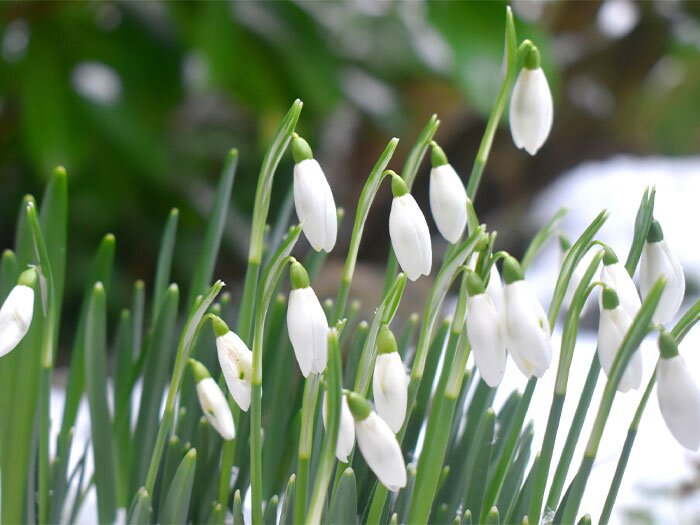
- Snowdrop
- Crocus
Vegetables
Warmer regions can be good for vegetable gardening outdoors while cooler regions can handle hardy vegetable plants or an indoor/greenhouse growing environment. While spring is still months away, gardeners can begin planning ahead of schedule and plant vegetables.
- Broccoli
- Brussels sprouts
- Leek
- Radish
- Carrots
- Cauliflower
- Eggplant
- Lettuce
- Cabbage
- Celery
- Cucumber
- Onions
Lawn
Cool-season grass lawns are usually planted in fall and winter and include one or all of the following: fescue, perennial ryegrass, creeping bentgrass, and bluegrass.Generally, you should reduce foot traffic on your lawn during this time of year, since the grasses are not as resilient.
Start the Planting Season Early at Wilco Farm Stores
Winter is an excellent time to continue your gardening or prepare for the year ahead. Plant winter crops, clean and repair your garden tools, build garden structures, and get ready for the spring with winter gardening supplies from Wilco farm stores.
Orders
Services
About
Your McMinnville Wilco Store

Store Hours
Monday - Saturday 7am - 8pm, Sunday 9am - 6pm

Need Help?
For questions or help with online orders call: (888) 78-WILCO
Limited to stock on hand. Some items may vary from photos. Because of store size limitations or geography, some items featured may not be available in all stores but will be made available by special order during sale periods at advertised prices. All sale prices listed as “dollars off” or “% off” are discounted from our regular posted shelf price, not from discounts given with specialty, bulk or pallet pricing. Reseller and Drop-shippers must contact us for pre-approval to place orders with the intent to re-distribute.
© 2026, Wilco Farm Store