


Have you ever had a day where your stomach just won’t settle?
The likelihood is high that we’ve all experienced this before. Maybe you were stressed? Or maybe you ate something that your stomach didn’t agree with? Whatever it may be, I think we can agree, it’s no fun experiencing that type of discomfort. The same goes for your horse who may experience gastric discomfort. Read on to learn about the causes of gastric discomfort in horses, how to tell if your horse is experiencing gastric discomfort, and how you can help improve or manage the discomfort in your horse.
Gastric Discomfort Causes in Horses
Gastric discomfort can be caused by factors like their environment, stress, diet and overall management. Some examples include, but are not limited to:- High-intensity exercise
- Performance and racing
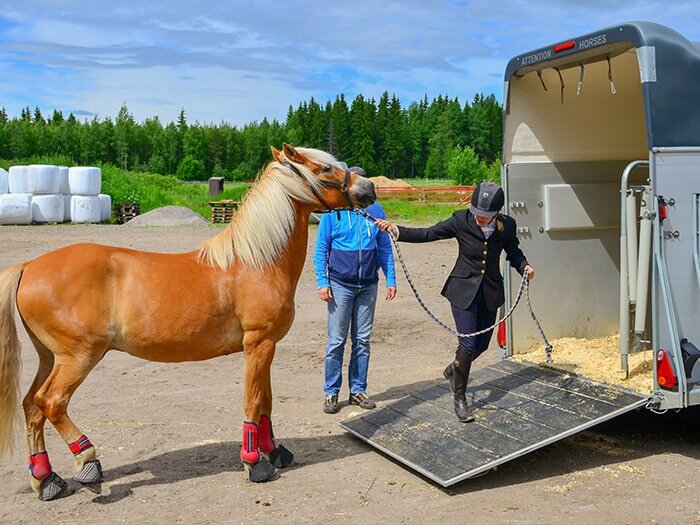
- Trailering
- Limited or lack of contact with other horses
- Prior gastric ulcer issues
- Nervous disposition or specific breeds like Thoroughbreds
- Minimal access to pasture ground or poor forage quality/quantity
- High starch meals
- Lack of water

Be on The Lookout
The first step to recognizing if your horse is experiencing gastric discomfort is being aware of and identifying the signs and symptoms. Here are some examples that every horse owner should know. If your horse is experiencing any of these odd behaviors or symptoms, they could be experiencing gastric discomfort:- Picky eating or an overall poor appetite
- Diminishing body condition and weight loss
- Diarrhea
- Poor coat
- Teeth grinding
- Colic
- Other behavior changes like nervousness and biting
How to Help Your Horse
If your horse is displaying some of the signs and symptoms of gastric discomfort, it is recommended to work with your veterinarian for an official diagnosis of gastric ulcers. Based on the diagnosis, your veterinarian may recommend a specific medication or therapy to help control the acid level in your horse. Limiting your horse’s travel can also help to ease the stress they may experience. Ensuring you have a quality nutrition program in place is also key. Be sure your horse has access to lots of fresh water and ample access to a high-quality forage, including alfalfa. Feeds with low starch and sugar are encouraged. Additionally, feeds with gastric support are also helpful, including Purina’s Outlast Gastric Supplement which supports the pH level in your horse.See the science behind Purina’s Outlast Gastric Support Supplement, in the video below. Backed by research and experiments done by equine nutritionists at the Purina Animal Nutrition Center, Purina’s Outlast Gastric Support supports the overall gastric health of your horse. It’s not only fast acting, but it lasts longer than others and has a high acidity buffering capacity. Other Purina products with Outlast Gastric Support that you’ll find at your local Wilco store include:

Orders
Services
About
Your Wilco Store

Store Hours
Monday - Saturday 7am - 8pm, Sunday 9am - 6pm

Need Help?
For questions or help with online orders call: (888) 78-WILCO
Limited to stock on hand. Some items may vary from photos. Because of store size limitations or geography, some items featured may not be available in all stores but will be made available by special order during sale periods at advertised prices. All sale prices listed as “dollars off” or “% off” are discounted from our regular posted shelf price, not from discounts given with specialty, bulk or pallet pricing. Reseller and Drop-shippers must contact us for pre-approval to place orders with the intent to re-distribute.
© 2026, Wilco Farm Store