


How to Prevent & Treat Frostbite in Chickens, Cattle, & Other Farm Animals
December 24, 2025
Livestock & Farm
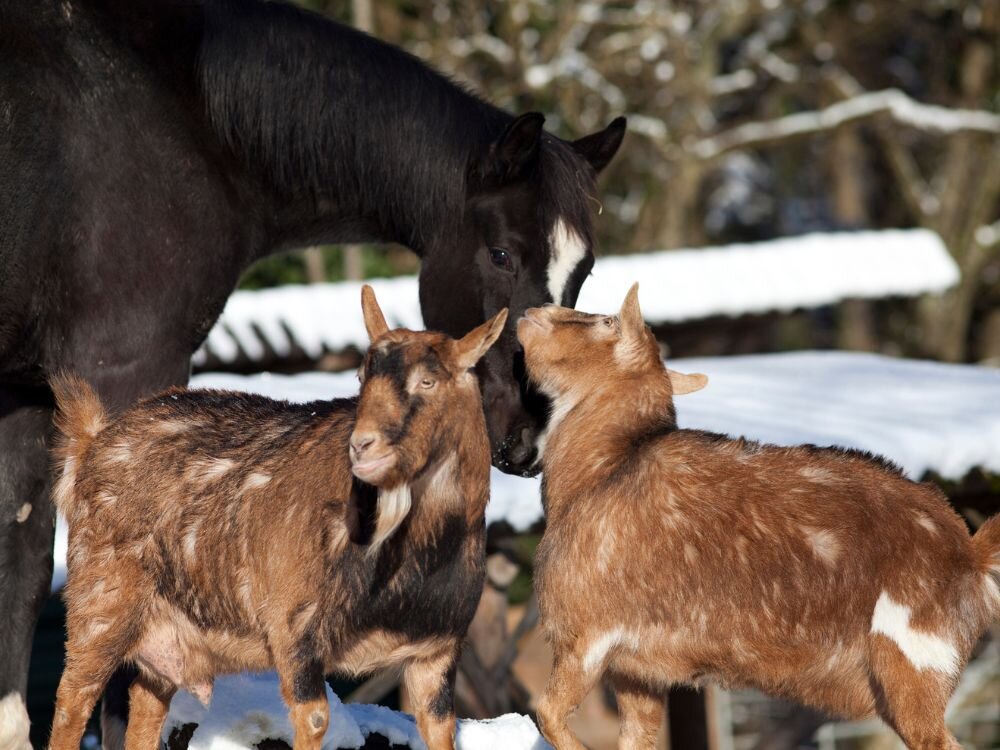
Frostbite is one of the biggest worries during freezing weather, and it doesn’t take long for your farm animals’ ears, toes, or tails to get too cold. The good news is that with the right care, most cases of frostbite are preventable, and early cases can often be treated at home.
What Is Frostbite?
Frostbite occurs when tissue freezes after too much exposure to cold, wind, or moisture. When the skin freezes, tiny ice crystals form inside the cells and damage them. That’s why the areas farthest from the heart tend to get hit first. They don’t get as much warm blood flow, so they chill faster.
What Causes Frostbite in Animals?

Frostbite develops when cold temperatures mix with moisture, poor shelter, or strong winds. Those conditions pull heat away from an animal’s body faster than it can replace it.
Temperature, Wind Chill, and Moisture
Cold air is tough on livestock, but wind chill is usually the real troublemaker. The “real-feel” temperature can drop far below the actual reading on a thermometer, and animals lose heat much faster in those conditions.
Moisture makes it even worse. Wet bedding, sweating under a heavy coat, or waterers that splash onto legs speed up heat loss and put animals on a fast track toward frostbite.
Poor Shelter or Inadequate Bedding
A barn or coop may look solid, but even a few small drafts can drive down the temperature inside. Damp bedding or a shelter that doesn’t block the wind gives animals nowhere warm to rest, especially overnight.
Nutritional and Health Factors
Animals that are underconditioned or not getting enough calories have a harder time staying warm. Their bodies lack the energy reserves needed to keep their extremities warm, especially on cold or windy days. Young, sick, or stressed animals also chill faster and struggle to regain their own body heat.
How to Spot Frostbite Early
Early frostbite appears pale, cold, and stiff before it begins to turn red or swell. If you notice those initial changes, acting quickly can prevent things from getting worse and help the animal heal faster.
• Early frostbite: The skin looks pale, firm, or slightly waxy. It may feel colder than the surrounding tissue.
• Progressing frostbite: The area becomes swollen and red, and the animal may pull away when touched because it’s painful.
• Advanced frostbite: Blisters may form, and in severe cases, the skin darkens or turns black as the tissue dies.
Where Each Species Is Most Vulnerable to Frostbite
Different animals tend to show frostbite in certain spots first, but it can develop anywhere that gets cold, wet, or exposed to wind. These are simply the areas you’ll want to check most often during winter weather.
• Chickens: combs, toes, and wattles
• Cattle: teats and ears
• Horses: muzzle and pasterns
• Rabbits: ears and feet
• Pigs: ears and tails
• Ducks and geese: feet, bills, and wing tips
• Goats and sheep: ears and hooves
• Alpacas and llamas: ears, toes, and the tip of the tail
How to Prevent Frostbite in Livestock

Most cases of frostbite can be prevented with shelter, dryness, and steady winter care.
1. Provide proper shelter.
Animals need a space that blocks drafts without trapping moisture. A barn or coop with good airflow and no cold pockets keeps them warmer than a sealed building that gets damp.
Simple structures also help: run-in sheds, windbreak panels, and calf hutches give animals a break from the wind on harsh days.
Fresh bedding makes a big difference, too. Adding straw, shavings, mats, or other stall products gives animals dry footing and a warm place to rest. Even a few inches of clean bedding helps protect extremities from freezing surfaces.
For more help, read Preparing Your Barn for Winter and How to Choose the Ideal Animal Bedding.
Shop Animal Bedding↗ | Shop Stall Mats↗
2. Keep animals dry
Moisture is one of the fastest ways to invite frostbite. Replace wet bedding as soon as you notice it, especially around water stations and areas where it is frequently wet.
Heated buckets or trough de-icers help prevent splashing and ice buildup that soaks legs or feathers.
Shop Heated Buckets and De-Icers↗
3. Improve cold-weather nutrition.
Livestock burn more calories in winter just to stay warm. Feeding higher-calorie hay or grain helps them maintain body heat, especially during long cold snaps.
A healthy body condition supports circulation, which plays a big part in frostbite prevention. Animals struggling with cold stress often show improvement once their energy intake increases.
Shop Animal Feed, Hay & Straw↗
4. Protect vulnerable body parts.
Different animals require different types of care when the temperature drops. The goal is the same across the farm – keep exposed areas dry, warm, and out of the wind – but the “how” looks a little different for every species.
Chickens
• A thin layer of petroleum jelly or balm on combs and wattles adds a small buffer on the coldest nights.
• Keep the coop dry, reduce condensation, and check for icy spots near waterers.
• Check their roosting setup. Chickens need a perch that’s high enough and narrow enough for them to tuck their toes under their feathers while they sleep to keep their feet warm.
Read How to Keep Your Chickens Warm During the Winter for more tips.
Cattle
• Dry udders before turnout since any leftover moisture freezes fast.
• Provide deep bedding and a windbreak for cows and calves.
• Newborn calves need extra attention: dry them thoroughly, use calf jackets when needed, and bring weak calves inside or into a sheltered pen.
Horses
• Don’t over-blanket. Sweating under a blanket creates moisture, which increases the risk of frostbite.
• Dry legs after riding or turnout in snow. Feathered breeds need extra checks for ice balls forming around the pasterns.
• Brush off snow from their muzzles after turnout or riding.
Read Prepping Your Horse for Winter and Horse Blankets: What You Need To Know for more information.
Rabbits
• Use insulated hutches with plenty of bedding, especially on wire floors.
• Place resting pads or mats inside so they aren’t sitting on cold surfaces.
• Block drafts, but maintain steady ventilation to prevent moisture buildup.

Pigs
• Provide deep straw bedding and windbreaks, especially for smaller breeds and piglets.
• Make sure shelters are dry and draft-free.
• A heat lamp can help young piglets, but use farm-safe setups to avoid fire risk.
Ducks and Geese
• Give them dry areas to stand, even if they still have access to water.
• Add straw paths or mats around icy spots.
• Keep splash zones cleared and replace wet bedding often.
Check out the Owner's Guide to Duck and Geese Care.
Goats
• Keep bedding deep and dry, and avoid letting goats sleep against drafty barn walls.
• If a goat has a thin coat or lower body condition, consider adding a lightweight winter coat during cold snaps.
• Make sure hooves stay trimmed so snow and ice don’t pack into them.
Learn more about hooves for all animals by checking out Cold Weather Hoof Care.
Sheep
• Sheep handle cold well, but their ears and hooves still need attention.
• Wet wool chills them faster than you’d expect, so keep barns ventilated but not drafty.
• Check hooves for ice buildup after storms, especially in breeds with wool around their feet.
Alpacas and Llamas
• These animals don’t handle cold, wet weather well, so shelter is key.
• Keep fleeces dry, provide a wind-blocked area, and check toes for ice buildup after storms.
For more information, read Guide to All Things Llama & Alpaca.
5. Watch the weather and adjust daily routines.
Checking the forecast each morning helps you stay ahead of trouble. Move feed and water closer to their shelter on windy days so animals aren’t forced to stand in the open.
If the wind chill drops sharply, bring animals in earlier than usual. These simple shifts help prevent frostbite in livestock when the weather turns quickly.
What To Do If an Animal Has Frostbite
If you think an animal has frostbite, move them to a warm, dry space immediately and treat the affected area with gentle warmth. Here’s how:
What You’ll Need
• Clean towels (3–5 is usually enough)
• Warm water (about 100–105°F)
• A small bowl or bucket for warming towels
• A draft-free, warm space to work
• Optional for small areas: a shallow dish of lukewarm water
How to Warm the Towels
• Use warm tap water to soak and wring out the towels.
• Or microwave a damp towel for 10–15 seconds.
• Warm towels by placing them near a safe heat source (but never directly on it).
Temperature check: The towel should feel warm and comfortable on the inside of your wrist. If it feels hot, let it cool a bit.
How to Gently Warm the Frostbitten Area
1. Move the animal to a warm, dry space away from wind and cold.
2. Hold the warm towel gently against the frostbitten area. Don’t rub. Just let the heat transfer.
3. Keep the towel in place until it cools, usually 2–3 minutes.
4. Replace it with a freshly warmed towel.
5. Continue warming for 15–30 minutes, or until the skin softens and no longer feels icy cold.
Other Safe Heat Sources
These provide mild warmth without overheating the skin.
• Your hands or body heat
• A warm room or enclosed shelter
• A warmed blanket draped near (not on) the animal
What NOT to Use
Avoid anything that heats too quickly or too intensely.
• Heat lamps directly on the skin
• Hair dryers
• Heating pads
• Hot water
• Rubbing, massaging, or squeezing the area
Gentle warming helps the tissue recover without causing more damage.
When to Call a Vet
Some signs mean the frostbite is more serious and needs professional care. Call your vet if you notice:
• Severe swelling
• Blistering
• Blackened tips or patches
• Any foul smell or discharge that suggests infection
• Slow movement, trembling, or an inability to stand
• Respiratory issues like coughing, labored breathing, or nasal discharge
If you spot any of these red flags, don’t wait. Quick veterinary care makes the difference between recovery and long-term complications.
Supportive Care After Frostbite
After the animal is warmed, keep the affected area clean and dry. Also, limit outdoor exposure while they recover. A few days of extra care gives the tissue time to heal and helps prevent the injury from getting worse.
Frostbite can be uncomfortable even after thawing, so if you’re concerned about any pain your farm animal is experiencing, contact your vet.
With calm handling and a warm place to rest, most animals recover well from mild frostbite when treated early.
Keeping Your Farm Animals Safe Through Winter

Checking vulnerable areas, keeping shelters dry, monitoring the wind chill, and adjusting chores around the weather all add up to keeping your animals safe and frostbite-free.
Explore Wilco’s winter livestock essentials and keep your animals protected through the coldest months.


Store Hours
Monday - Saturday 7am - 8pm, Sunday 9am - 6pm

For questions or help with online orders call: (888) 78-WILCO
Limited to stock on hand. Some items may vary from photos. Because of store size limitations or geography, some items featured may not be available in all stores but will be made available by special order during sale periods at advertised prices. All sale prices listed as “dollars off” or “% off” are discounted from our regular posted shelf price, not from discounts given with specialty, bulk or pallet pricing. Reseller and Drop-shippers must contact us for pre-approval to place orders with the intent to re-distribute.
© 2026, Wilco Farm Store