


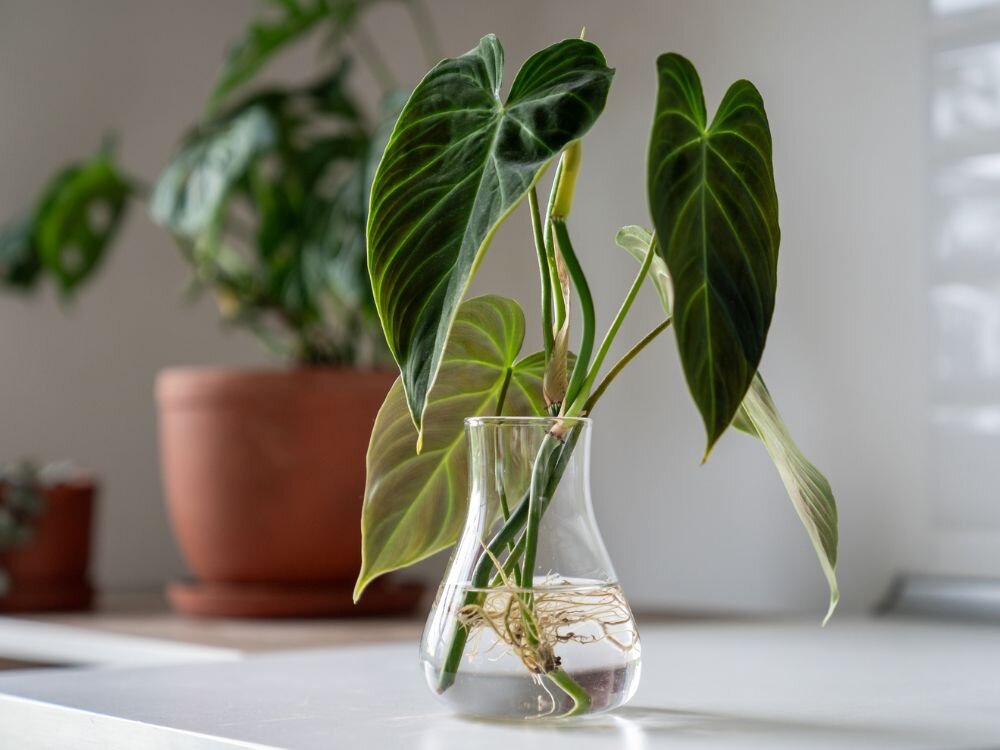
Growing new plants doesn’t have to be complicated. Once you learn how to propagate houseplants, you can turn one healthy plant into several more with just a few tools and a little patience.
Propagation gives you a budget-friendly way to expand your indoor garden, share plants with friends, or rescue a leggy plant that needs a fresh start.
What Does It Mean to Propagate Houseplants?

Propagation is the process of creating new plants from cuttings, leaves, stems, or roots. It’s a simple way to grow more greenery without buying new plants. When you propagate plants at home, you’re basically giving your indoor plant a chance to “start over” in a new container.
What You Need Before You Start
You don’t need anything fancy, but having the right basics on hand helps keep your cuttings healthy and speeds up their root growth.
Clean scissors or pruners. Sharp, clean blades provide a smooth cut and reduce the risk of spreading disease. Pruners are a staple in most gardening kits, and you’ll use them for more than just propagation.
Small pots or nursery trays. These provide your new plants with a place to settle in once they begin to root. Trays are helpful when working with several cuttings at once.
Potting soil or water jars. Many indoor plant cuttings root easily in water, while others prefer a light potting mix. Using the right option for each plant helps it grow stronger roots (more on that below).
Labels and markers. Cuttings look surprisingly similar after a few days. A quick label saves you from having to guess later.
Optional: rooting hormone. You don’t have to use it, but it can speed up root growth and improve success rates, especially for woody stems or finicky plants.
Best Plants for Propagation (Beginner-Friendly Picks)
These easy growers bounce back quickly after a trim, which makes them some of the best plants for propagation if you’re just getting started.
- Pothos – One of the easiest indoor plants to multiply. Snip a stem with a couple of nodes, pop it in water, and roots usually show up within a week or two.
- Philodendron – Similar to pothos but with softer, heart-shaped leaves. Their cuttings root well in both water and soil, making them great for beginners.
- Spider plant – These plants practically propagate themselves. The little “spiderettes” hanging off the main plant can be clipped and rooted with hardly any effort.
- Snake plant – You can root whole leaves or sections of leaves. It takes a little longer, but snake plants are tough and forgiving.
- Succulents – Many varieties root from leaves or small cuttings after a short drying period.
- Tradescantia – Fast, colorful, and eager to grow. Stick a cutting in water or soil, and it usually roots in just a few days.
- Herbs – These roots grow so quickly that you can watch the changes week by week. The best ones for propagation are basil, sage, mint, rosemary, and thyme.
If you need more plant ideas to fill your home, check out Low-Light Houseplants to Brighten Your Home and Pet-Safe House Plants for Improved Air Quality.
Two Ways to Propagate Houseplants
You can propagate most indoor plants in either water or soil. Both methods work well, but the best choice depends on the plant and how quickly you want it to grow.
Water vs. Soil: Which Method Should You Use?
Some plants root faster in a jar of water, while others need the stability of potting mix.
Great in Water
Water propagation works best for soft-stemmed plants, like pothos, philodendron, and tradescantia.
Spider plant and many herbs (like basil and mint) also root quickly in water, though some growers switch them to soil sooner for stronger roots.
Great in Soil
Soil propagation is ideal for plants that dislike sitting in water, have woody stems, or are thick and fleshy, like snake plants, succulents, and herbs (rosemary, thyme, and sage).
It also works well for pothos, philodendron, and tradescantia, when you want sturdier, transplant-ready roots from the start.
The Fastest Way to Decide
- Use soil for snake plants, succulents, and woody-stemmed herbs.
- Use water for pothos, philodendron, tradescantia, spider plant, basil, and mint.
- Use either method for pothos, philodendron, tradescantia, spider plant, and herbs when you want stronger roots or faster growth.
Make sure you know which method you’ll be using before taking your first cuttings.
How to Take Indoor Plant Cuttings

Here’s the quick checklist: choose healthy stems, cut below a node, and remove the lower leaves.
Note for succulent growers: Succulents follow a different process since they don’t rely on nodes for rooting. If you’re propagating succulents, skip this section and follow the steps in succulents section below.
Tools You’ll Need
- Clean, sharp scissors or pruners
- A clean surface or tray to keep everything organized
- Labels and a marker if you’re taking multiple cuttings
- Rooting hormone (optional but helpful)
1. Choose a healthy mother plant.
Bright leaves and firm stems mean your cutting will have the energy it needs to start new growth.
- Select a plant that looks full, vibrant, and well-hydrated.
- Avoid stems that look yellow, limp, or damaged.
2. Make a clean, angled cut.
The angled cut creates a wider surface area, which helps the cutting take in moisture and reduces bruising on the stem.
- Use scissors or pruners to create a diagonal cut right below a node.
What’s a Node?
A node is the spot on a plant stem where something grows (usually a leaf, a bud, or an aerial root). It looks like a small bump, joint, or ring around the stem.
If you imagine the stem like a ladder, the nodes are the steps. They’re the points where growth happens.
Roots almost always grow from nodes, not from smooth parts of the stem. That’s why you cut right below a node and make sure at least one node sits in the water or soil.
3. Prepare the cutting for soil or water.
Any leaves below the waterline or solid surface will rot, which slows growth.
- Gently pinch or trim off the leaves on the bottom inch or two of the stem.
- Keep one or two leaf pairs at the top so the cutting can keep producing energy while new roots form.
4. Optional: Dip the stem in rooting hormone.
Some plants root easily without it, but rooting hormone can give slower growers a boost.
- Dip the freshly cut end in the rooting hormone before placing it into soil. It helps reduce rot and speeds up early root development.
How to Propagate Houseplants in Water

Water propagation works well for many trailing plants. Clear containers work best because you can check water levels and root growth.
Works best for: Pothos, philodendron, tradescantia, spider plant, and soft-stemmed herbs.
Tools You’ll Need
- Clean scissors or pruners
- A clear jar, cup, or small vase
- Fresh tap water
- Optional: a tray or shelf to organize your jars
1. Fill your jar with 1–2 inches of water
- Use enough water to fully cover the nodes on your cutting.
2. Place the cutting in the jar.
- Make sure nodes stay underwater.
- Keep all leaves above the waterline to prevent rot.
3. Keep the cutting upright.
Choose one method that fits your plant:
- Use a narrow-neck vase to hold the stem steady.
- Add a few clean pebbles to the bottom of the jar to support longer cuttings.
- Place a few cuttings in the same jar so they support each other.
4. Set the jar in bright, indirect light.
- A north- or east-facing window works well.
- Avoid direct sun since it warms the water and slows rooting.
5. Change the water every few days.
- Fresh water helps prevent bacteria and keeps roots growing clean and strong.
6. Wait for roots to develop (usually 1–3 weeks).
- Watch for small white roots beginning to branch out from the nodes.
- Pothos and tradescantia root quickly.
- Philodendron may take a little longer.
7. Move the cutting to soil when roots reach 1–2 inches.
- Gently plant it in light, well-draining indoor potting mix.
- Roots shorter than an inch may break easily.
- Roots longer than 2 inches can get stringy or fragile in water.
How to Propagate Houseplants in Soil

Soil propagation creates stronger, transplant-ready roots because the cutting grows in the same environment it will live in long-term. It also helps young plants adjust more quickly once they begin producing new leaves.
Works best for: snake plants, succulents, spider plants, woody-stemmed herbs, philodendrons, pothos, and tradescantias.
Tools You’ll Need
- Small pots or nursery trays
- Light, well-draining indoor potting mix
- Clean scissors or pruners
- A spray bottle for gentle watering
- Optional: clear plastic bag or dome (for humidity)
1. Choose the right potting mix.
Use a loose, well-draining mix so the stem can breathe while roots form.
- Most indoor plants do well in a standard potting mix.
- Succulents or thicker-stemmed plants prefer a cactus blend since it dries a little faster.
2. Plant the cutting and keep the soil lightly moist.
- Fill a small pot, make a small hole with your finger, and place the cutting so that at least one node is below the soil line.
- Water lightly to settle the soil. After that, keep the mix slightly damp and never soggy.
- A quick touch test works well: if the top feels dry, give it a small drink from a spray bottle.
3. Add warmth and gentle humidity.
Cuttings root faster when they’re warm and slightly humid. Humidity keeps the cutting from drying out while it builds roots.
- A bright windowsill without harsh afternoon sun
- A loose plastic bag or clear dome over the pot (leave gaps for airflow)
- A warm room where temperatures stay steady
4. Check for root growth after a few weeks.
Give the cutting two to three weeks to settle. Then, tug gently near the base.
- If you feel resistance, roots are forming.
- If it slides right out, give it more time and keep the soil lightly moist.
How to Propagate Succulents

Some plants need their own method, especially those that don’t tolerate extra moisture. Succulents are one of them.
Tools You’ll Need
- Clean scissors or pruners
- A shallow tray or small pot
- Cactus or succulent soil
- A sunny windowsill (bright, indirect light)
1. Decide between leaf or stem propagation.
You can start new succulents from a single leaf or a small stem cutting.
- Leaves work best for rosette-style plants (like echeveria or jade).
- Stems are better for trailing types (like string of pearls or burro’s tail).
2. Remove the leaf or stem cleanly.
- Gently twist a leaf off so it pops away with the entire base intact. Broken leaves won’t root well.
- For stems, use clean scissors or pruners and make a smooth cut.
3. Let the piece dry and form a callus
- Set the leaf or stem on a dry surface for 2–3 days.
- The cut end will form a callus: a dry, firm seal that protects it from rot once it touches soil.
- If the end still looks moist or soft, give it another day.
4. Place the calloused piece on dry soil.
- Use a cactus or succulent mix in a shallow pot or tray.
- Set the leaf or stem on top of the soil.
- Don’t bury it! Succulents' roots naturally grow downward from the cut end.
5. Give it bright, indirect light.
- Place the tray in a bright room with filtered light.
- Too much direct sun can scorch young growth, while low light slows root formation.
6. Lightly mist only when needed.
- Keep the soil mostly dry.
- A light mist once or twice a week is enough until roots appear.
7. Replant once babies form.
- Tiny white roots and small “pups” usually show up in a few weeks.
- When the new plant has a few small leaves and the roots look sturdy, move it into its own pot with fresh cactus soil.
Common Propagation Mistakes and How to Avoid Them
Overwatering soil cuttings.
Soil that stays soggy leads to rot before roots even have a chance to form. Keep the mix lightly damp and water only when the top feels dry.
For more help, read How to Stop Overwatering Your Houseplants.
Using dull scissors.
A rough cut can damage the stem and slow rooting. Sharp, clean scissors or pruners give you smoother cuts and healthier starts.
Low light during rooting.
Cuttings need steady, bright, indirect light to grow new roots. A dim corner can prolong the process and weaken the plant.
Leaving too many leaves on a cutting.
Extra leaves pull energy away from root formation. Remove the lower ones and keep only a small cluster at the top so the cutting can focus on growing roots.
Forgetting to change water.
For water-propagated cuttings, stale water invites bacteria. Swap it out every few days to keep roots healthy and growing.
Growing From Here
Propagating indoor plants is one of the simplest ways to grow your collection, experiment with new varieties, or bring tired plants back to life. With the right tools, a healthy cutting, and a clear method, you can turn just about any plant into something new.
Stop by your local Wilco Farm Store or shop online for pruners, potting mix, trays, and other tools that make propagation successful.


Store Hours
Monday - Saturday 7 AM to 8 PM|Sunday 9 AM to 6 PM

For questions or help with online orders call: (888) 78-WILCO
Limited to stock on hand. Some items may vary from photos. Because of store size limitations or geography, some items featured may not be available in all stores but will be made available by special order during sale periods at advertised prices. All sale prices listed as “dollars off” or “% off” are discounted from our regular posted shelf price, not from discounts given with specialty, bulk or pallet pricing. Reseller and Drop-shippers must contact us for pre-approval to place orders with the intent to re-distribute.
© 2026, Wilco Farm Store