


Prevent Frozen Pipes: Winterizing Tips for Homeowners & Farmers
December 1, 2025
Hardware, Paint & Home
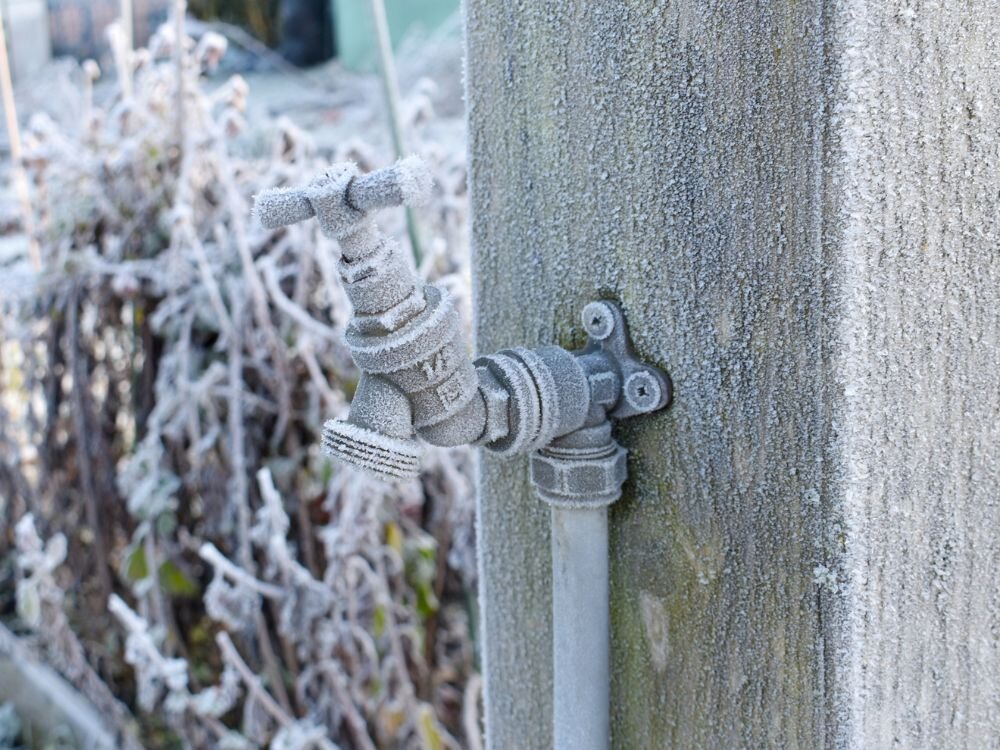
The first frosty morning of winter has a way of catching everyone off guard: frost on the barn roof, crunchy grass under your boots, and the uneasy question: Did the pipes make it through the night? When temperatures drop, frozen lines stop chores, stall mornings, and, if they burst, leave behind a mess that no one wants to deal with.
The good news is that winter pipe prep doesn’t have to be complicated. A few smart habits, simple tools, and the right supplies are all it takes to prevent frozen pipes and keep water moving where it’s needed most.
Why Frozen Pipes Are a Winter Problem

Pipes freeze when temperatures drop below 32°F, especially in unheated or drafty areas like barns, crawl spaces, and attics. Even a small draft or open vent is enough to drop pipe temperatures below freezing. Outdoor spigots, garden hoses, and exposed pipes in garages or sheds are also common trouble spots.
When the water inside those pipes freezes, it expands, and that pressure can cause the metal or PVC lines to split wide open. A single crack can leak hundreds of gallons of water once things thaw out.
Identify At-Risk Pipes on Your Property
Start your winter prep by finding the pipes most likely to freeze first. Focus on pipes that run through or are located in unheated or poorly insulated areas.
In the Home
Inside your home, check pipes in exterior walls, crawl spaces, basements, and attics. Even if your home feels warm, these tucked-away zones can dip below freezing fast.
If you notice frost buildup or the water takes longer to flow on cold mornings, that’s your cue to insulate your pipes.
Outside or Around the Farm
Pipes in barns, tack rooms, sheds, workrooms, greenhouses, and pump houses are common freeze points, especially if those spaces aren’t heated. Outdoor faucets or hydrants exposed to the wind are also at high risk.
Don’t forget to check your sprinkler and irrigation systems (like Rain Bird or Raindrip). These setups often have above-ground lines or fittings that can freeze, especially near uninsulated walls or shallow trenches.
Do a quick walk-around before winter settles in and feel for cold air leaks or note any exposed lines.
Livestock Areas
Automatic waterers, trough lines, and hoses used every day are constantly exposed to cold air. And because water is always moving through them, they’re among the first to show freezing issues.
Check for slow flow or ice buildup and make sure stock tank de-icers are in good shape.
Insulate Your Pipes Before the Freeze

Insulating pipes keeps them warmer longer and reduces the chance of freezing. It’s one of the easiest and most affordable steps you can take to protect your plumbing.
Pipe Insulation Basics
There’s no one-size-fits-all solution to pipe insulation. The best choice depends on the pipe's location.
- • Foam sleeves for long, straight runs of pipe.
- • Wrap tape for tight corners and irregular shapes.
- • Fiberglass for high-heat or exposed areas.
Installation is simple: measure the pipe length and diameter, cut the insulation to fit, and secure it snugly. The good news is that it’s an easy weekend project that pays off all winter.
In the Home
Check under sinks, behind washing machines, and along foundation walls for exposed pipes. If you notice drafts or condensation, it’s a sign that those pipes need extra protection.
Use foam sleeves or wrap tape to cover these areas. Add fiberglass insulation for areas near water heaters or furnace lines.
Attic and Crawl Space
Attics and crawl spaces are problem zones because of their temperature swings and poor airflow.
Add foam pipe sleeves or fiberglass wrap, and seal any open vents or cracks where cold air seeps in. You’ll protect your plumbing and help your home retain heat better, a small fix that can also lower your energy bills.
Around the Farm
Farm buildings often have exposed pipes that face the cold head-on. These are prime candidates for insulation and wrap tape, especially if they’re near drafty doors or exterior walls.
Secure insulation with weather-resistant tape and inspect where pipes pass through walls or floors to identify any openings that allow cold air to enter. If you find a gap, seal it with expanding foam, silicone caulk, or weatherstripping to block drafts.
Outdoor Faucets & Water Lines
Outdoor faucets are usually the first to freeze, and the easiest to protect. Before the first hard frost, disconnect garden hoses and drain any remaining water. Then, install faucet covers or insulated hose bib protectors to keep cold air from reaching the valve.
For a more permanent fix, consider upgrading to a frost-proof faucet or frost-free valve. These designs keep the shutoff point inside the warmer part of your wall or plumbing system to help prevent freezing when temperatures plunge.
If you’re using long water lines for livestock or irrigation, wrap exposed sections and consider burying them below the frost line for extra protection.
Adding Heat to Keep Water Flowing in Extreme Cold
In deep winter, even well-insulated pipes can struggle against prolonged freezes. That’s where heat cables and safe heaters come in handy.
Heating Cables
Heating cables for pipes are self-regulating electric cables that sense when temperatures drop and automatically warm the pipe just enough to keep water moving.
You can use heat cables under trailers, in barns, along exposed outdoor lines, or anywhere insulation alone can’t do the job.
Just make sure to follow the manufacturer’s directions, especially the rule about not overlapping the cables, which can cause overheating.
Space Heaters
For small enclosed spaces (like well houses, tack rooms, or pump sheds), a space heater can add an extra layer of protection. A low-wattage or thermostat-controlled heater helps maintain a safe baseline temperature to prevent pipe freezing when outside temps plummet.
Just remember, safety first. Always keep heaters away from straw, hay, and flammable materials, and never leave them unattended.
Additional Winterizing Tips for Homes & Farms

Once your insulation and heat sources are in place, these everyday steps add an extra layer of winter pipe protection.
- 1. On extremely cold nights, keep a slow drip running from faucets. The moving water helps prevent ice from forming inside the pipes.
- 2. In the kitchen or bathroom, open cabinet doors to let warm indoor air circulate around pipes under sinks, especially those located along exterior walls.
- 3. Outside, drain irrigation or sprinkler systems before the first hard freeze. Water left in the lines can expand and crack fittings underground.
- 4. On the farm, insulate or bury livestock water lines below the frost line to keep them from freezing solid during extended cold spells.
Protect Your Pipes Before the First Freeze
A few hours of prep can save you from thousands in repairs later. The key to keeping your water systems safe this winter is simple: insulate exposed lines, add heat where needed, drain outdoor systems, and keep an eye on high-risk areas like barns, crawl spaces, and livestock troughs.
Visit your local Wilco store or shop online for pipe winterizing solutions built to handle even the coldest days on the farm.
For more winter help, check out our other guides:


Store Hours
Monday - Saturday 7am - 8pm, Sunday 9am - 6pm

For questions or help with online orders call: (888) 78-WILCO
Limited to stock on hand. Some items may vary from photos. Because of store size limitations or geography, some items featured may not be available in all stores but will be made available by special order during sale periods at advertised prices. All sale prices listed as “dollars off” or “% off” are discounted from our regular posted shelf price, not from discounts given with specialty, bulk or pallet pricing. Reseller and Drop-shippers must contact us for pre-approval to place orders with the intent to re-distribute.
© 2026, Wilco Farm Store