

Soil Temperature 101: When It’s Actually Safe to Plant in the PNW
February 25, 2026
Gardening & Plants
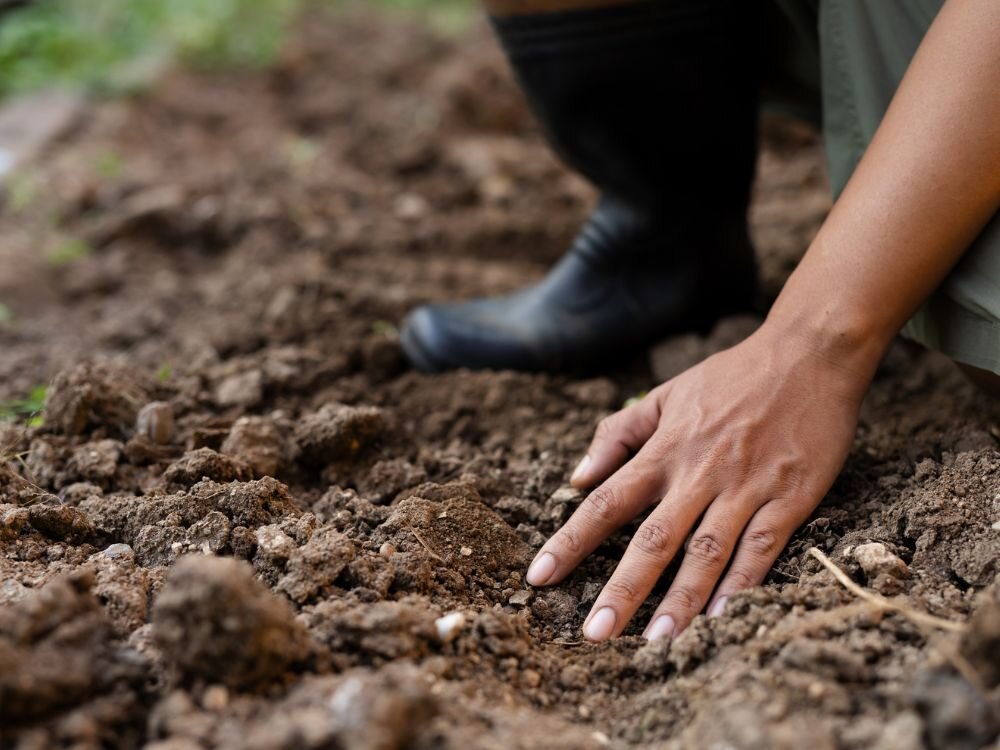
Spring in the Pacific Northwest can feel like a tease. One warm afternoon makes it tempting to grab seeds and start planting, but your soil tells a different story. That’s because soil temperature and planting don’t follow the calendar here. And when your soil isn’t ready, your plants won’t grow.
Soil Temperature and Why It Matters for Planting

Soil temperature controls seed germination, root growth, and early plant health. If the soil isn’t ready, your plants aren’t either.
Here’s why soil temperature and planting go hand in hand:
- Cold soil slows biological activity. Seeds need warmth to “wake up.” In cold soil, that process drags on or never starts.
- Seeds may rot instead of sprouting. When soil stays cold and damp, seeds sit too long, and rot and disease move in.
- Transplants struggle to establish roots. Young plants need active roots to take up water and nutrients. Cold soil tells roots to stall, even if the air feels mild.
This is why planting by the calendar alone doesn’t work, especially in the PNW. Soil warms on its own schedule (even if it feels warm outside), and paying attention to it gives your garden a stronger, healthier start.
How Soil Temperature Affects Plant Growth
Soil temperature and plant growth are tightly linked. When soil is in the right range, plants grow steadily. But when it’s too cold, even tough plants struggle.
Here’s what soil temperature controls below the surface:
- Enzyme activity and root function: Roots rely on enzymes to grow and absorb nutrients. Cold soil slows those enzymes, leading to slower root growth and delayed plant development.
- Nutrient uptake efficiency: Nutrients can be present in the soil, but still be unavailable. In cool soil, roots can’t absorb what they need, so plants may look weak or stalled even in “good” soil.
- Stress response in young plants: Seeds and transplants are most sensitive early on. Cold soil puts them under stress right away, making them more vulnerable to disease, pests, and poor weather.
Why Soil Warms Unevenly
Soil temperature monitoring matters because not all soil warms at the same pace. That comes down to the soil's thermal properties.
- Wet soil warms slowly. Spring rain keeps soils cool longer, even when daytime temperatures rise.
- Soil types warm differently. Clay soils hold water and stay cold longer, while loam warms more evenly. Sandy soils drain fast and warm sooner.
- Compacted or poorly drained soil traps moisture and cold. Loose, well-drained soil warms faster and supports healthier roots.
This is why one garden bed can be ready to plant while another just a few feet away isn’t.
Why the PNW Soil Is Tricky
If you’ve ever followed a national planting chart and still watched seeds stall, you’re not doing anything wrong. The Pacific Northwest plays by different rules.
Persistent rain keeps soil temperatures low, and cloud cover limits solar warming. Without that steady warmth, soil temperatures lag behind the calendar.
Plus, the PNW has distinct microclimates from the coast to the interior. Coastal areas stay cooler and more humid, while inland locations may warm sooner but still cool off quickly at night.
This is why national planting dates often miss the mark in the PNW, and why relying on soil temperature gives you a much clearer signal than a generic chart ever will.
How to Measure Soil Temperature

Here’s how to know if your soil is ready:
- Use a soil thermometer (depth matters). For seeds, measure about 2–4 inches deep. For transplants, go a bit deeper to match where the roots will sit. Surface readings don’t tell the whole story.
- Measure in the morning. Early readings show the soil’s true baseline. Afternoon warmth can spike temperatures that won’t hold overnight.
- Take readings over multiple days. One good number isn’t enough. Look for temperatures that stay in range for several days in a row before planting.
This approach helps avoid the most common spring mistake: planting too early because the weather feels right.
A Few Helpful Details to Know
- Raised beds warm faster. Better drainage and airflow help them heat up sooner in spring.
- Dark soil warms faster than light soil. Darker soil absorbs more heat, while lighter soil reflects it and stays cooler longer.
- Warm but waterlogged soil still causes problems. Good drainage matters just as much as the number on the thermometer.
What Soil Temperatures Do Plants Actually Need?
Soil temperature and planting success come down to matching the plant to the conditions underground. Different plants “wake up” at different temperatures, and planting outside those ranges is where most spring problems start.
Cool-Season Plants
Cool-season plants tolerate chilly conditions, but they still need soil that warms consistently.
Typical minimum soil temperature: 40–50°F
Common cool-season plants include:
- Vegetables: lettuce, peas, spinach, kale, radishes, broccoli
- Flowers: pansies, violas, sweet peas, calendula
- Herbs: parsley, cilantro, chives
If planted too early: Seeds may germinate slowly or unevenly. In cold, wet soil, some may rot before sprouting. Transplants can sit still for weeks, using energy just to survive instead of growing.
Warm-Season Plants
Warm-season plants need real warmth at the root zone to grow the way they’re meant to.
Typical minimum soil temperature: 60–65°F
Common warm-season plants include:
- Vegetables: tomatoes, peppers, beans, squash, cucumbers
- Flowers: zinnias, marigolds, sunflowers, cosmos
- Herbs: basil, dill
Why cold soil causes problems: In cool soil, roots slow way down. Plants stall, leaves yellow, and disease pressure increases. Seeds may fail to germinate or rot before emerging.
Shop Plants↗ | Shop Vegetable Starts↗ | Shop Fruits & Berry Starts↗
When Waiting Pays Off

Waiting until soil is truly warm – even if it feels late – leads to fewer setbacks. Plants planted later into warm soil often catch up quickly and outperform those planted earlier.
Here’s what happens when soil is truly ready:
- Better root establishment. Warm soil encourages roots to grow outward and downward right away, setting plants up for long-term strength.
- Faster early growth. Plants in warm soil don’t stall. They take off quickly and stay more even as they grow.
- Fewer disease issues. Healthy roots in warm, well-drained soil are less vulnerable to rot and early-season diseases.
- Less need to replant. Seeds germinate more reliably, and transplants settle quickly.
Let Soil Temperature, Not the Calendar, Lead
In the Pacific Northwest, planting success starts below the surface. So before you plant, pause and check the soil.
For more about spring planting, check out our other guides:


Store Hours
Monday - Saturday 7am - 8pm, Sunday 9am - 6pm

For questions or help with online orders call: (888) 78-WILCO
Limited to stock on hand. Some items may vary from photos. Because of store size limitations or geography, some items featured may not be available in all stores but will be made available by special order during sale periods at advertised prices. All sale prices listed as “dollars off” or “% off” are discounted from our regular posted shelf price, not from discounts given with specialty, bulk or pallet pricing. Reseller and Drop-shippers must contact us for pre-approval to place orders with the intent to re-distribute.
© 2026, Wilco Farm Store