


Transitioning Chicks Outdoors in Early Spring: What’s Safe & What Isn’t
March 25, 2026
Livestock & Farm
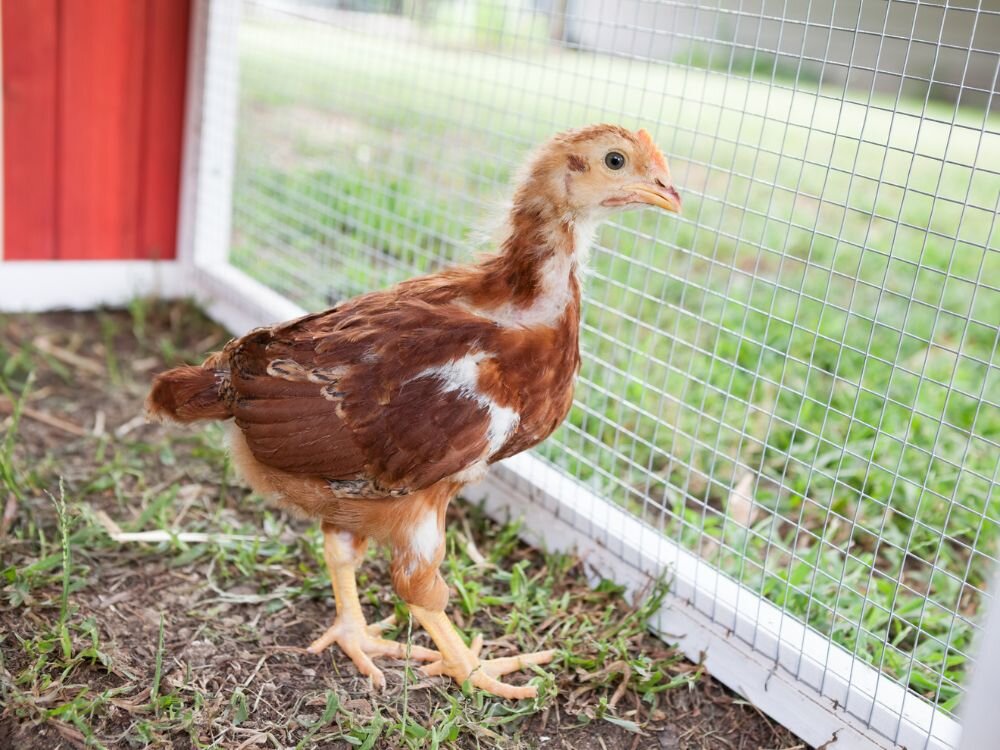
Transitioning chicks outdoors in early spring can feel like a milestone. The sun is out, the chicken coop is prepared, and you’re ready to see your flock exploring fresh air. However, moving chicks too soon outside can set them back.
So if you’re transitioning chicks outdoors, the goal isn’t speed but safety.
When Can Chicks Go Outside?

When you’re transitioning chicks outdoors, don’t go by the calendar. Go by the bird.
Most chicks are ready around 5 to 6 weeks old, but you can’t go by age alone. What matters most is feather development and whether they regulate their own body temperature.
So what does that actually mean? A chick that can regulate body temperature will:
- Be fully feathered
- Stay active
- Rest calmly
- Stay comfortable outside
If you’re unsure, don’t guess. Follow the steps below before moving forward.
Three Factors That Determine If It’s Safe To Transition Chicks Outdoors

If you’re not sure whether transitioning chicks outdoors is the right move yet, use this check: Age & Feathering → Weather Conditions → Shelter & Protection.
A fully feathered chick still isn’t safe in freezing rain. A mild forecast won’t help if your coop has drafts. And a perfect coop won’t fix birds that aren’t ready.
You need all three lined up.
1. Age and Feather Development
Chicks are born covered in down, which looks fluffy but offers very little insulation. Real protection comes from true feathers. Here’s what to look for:
- Full body feathering – Wings, chest, and back should be covered.
- Minimal visible down – A little fluff is okay, but not large bare patches.
- Active and alert behavior – Healthy chicks move confidently and aren’t huddling constantly.
Chicks need most of their fluffy down replaced with real feathers before they can handle outdoor temperatures. Here’s why that matters:
- Down doesn’t trap heat well. It’s soft but thin.
- Partial feathering isn’t enough. Bare patches still lose heat quickly.
- Cold stress hits fast. Small bodies cool down quickly, especially at night.
If they still depend heavily on a heat lamp indoors, they’re not ready for full-time outdoor living.
2. Early Spring Weather Conditions
Early spring can feel warm one afternoon and drop 20 degrees by sunset. That’s the tricky part. Unlike late spring or summer:
- Nighttime temps can dip below 40°F.
- Wind chill can make it feel much colder.
- Sudden cold snaps are common.
“Sunny” doesn’t always mean “safe.” You have to look at the full 24-hour forecast. That’s why transitioning chicks to outdoors in early spring requires more planning than moving them out in May or June.
3. Shelter & Protection
Even feathered chicks need the right setup outside. Your outdoor chicken run and coop should provide:
- A draft-free sleeping area – Air should move above them, not across them.
- Dry bedding – Damp floors pull heat from their bodies.
- Space to huddle safely – But not so much open space that they can’t retain warmth.
If overnight temps dip below 50°F, consider adding:
- A safe supplemental heat source
- A protected brooder plate inside the coop
- Extra bedding for insulation
And don’t forget about predators. Early spring is an active season for raccoons, foxes, and neighborhood dogs. When you’re moving chicks to a coop, double-check latches, fencing, and gaps.
For a chick supply checklist, check out What to Do Before You Bring Chicks Home and Chicken Coops, Runs, & Supplies.
Shop Coops & Runs↗ | Shop Animal Bedding↗
Safe Ways to Introduce Chicks to the Outdoors

You don’t have to move chicks outside all at once. In early spring, gradual exposure is usually the safest approach.
Here’s what works.
Start With Short Outdoor Time
This gives chicks fresh air and natural light without the risk of overnight cold.
- Stick to short daytime outings during mild, dry weather.
- Midday is best, when temperatures are highest.
- Start with 20–30 minutes and extend slowly over several days.
- Avoid early mornings and late afternoons. That’s when temps dip, and wind tends to pick up.
Keep It Supervised
Stay nearby during early outings so you can step in if something looks off.
- Watch how they behave. Active exploring is a good sign. Tight huddling or loud distress chirping is not.
- Supervision also protects against weather shifts or predator activity. Early spring brings both.
Use Portable Pens or Enclosed Runs
A small, enclosed outdoor chicken run or portable pen works well for early exposure. It should:
- Block wind
- Provide partial shade
- Keep predators out
- Sit on dry ground
This setup gives chicks room to scratch and explore while staying protected.
If your permanent run isn’t fully secure yet, don’t rush it. Temporary containment is better than unsafe freedom.
Bring Chicks Back Inside Overnight
Even if daytime visits go perfectly, bring chicks back inside unless conditions are consistently stable and they’re fully feathered.
A warm afternoon doesn’t guarantee a safe evening. For now, controlled exposure is the safest move.
How to Move Chicks Into the Coop Full-Time

Once daytime visits are going well, the next step is moving your chicks outside full-time.
Step 1: Confirm They’re Truly Ready
Before transitioning chicks to an outdoor coop full-time, double-check three things:
- They’re fully feathered.
- Overnight temperatures are staying consistently above 50°F.
- The forecast looks stable for several days.
If a cold snap is coming, wait. A few extra days inside won’t hurt, but moving too early can.
Step 2: Prepare the Coop Before Move-In Day
Don’t move chicks into a space that’s “almost ready.” Make sure:
- Bedding is dry and thick enough for insulation.
- Ventilation allows airflow without creating drafts.
- Latches and fencing are predator-proof.
- Feeders and waterers are clean and positioned securely.
This is where chicken coop safety really matters. Young birds don’t have the strength or awareness of older hens.
Read Cleaning Hacks for Chicken Coops & Stalls for more coop prep tips.
Shop Feeders & Waterers↗ | Shop Poultry Netting↗ | Shop Feed↗
Step 3: Move Them in the Morning
Move chicks earlier in the day, since giving them a full daylight cycle allows them:
- Time to explore
- Time to locate food and water
- Time to settle before nightfall
Dropping them into a new space right before dark will create confusion and stress.
Step 4: Monitor Closely for the First Few Nights
The first 3–5 nights are the most important. Check them at dusk to make sure they’re settled calmly. If possible, do a quick early-morning check as well.
Watch for:
- Tight huddling
- Distress chirping
- Signs of damp bedding
- Sudden weather changes
If nighttime temps drop unexpectedly, be ready to add safe supplemental heat or temporarily bring them back inside.
Step 5: Know When to Pause
Transitioning chicks to outdoors sometimes means adjusting your timeline. If you see piling, lethargy, or cold stress, don’t push through it. There’s no downside to stepping back for a few days if conditions change.
Once they’re settled, active, and handling nights comfortably, you’ll know the transition is complete.
Signs Your Chicks Aren’t Ready

Sometimes the calendar says “spring,” but your chicks say “not yet.”
When you’re moving chicks outdoors, their behavior will tell you quickly if the move was too soon. Pay attention to these warning signs.
Huddling or Piling
A little clustering is normal, but tight piling is not. If chicks press hard against each other or stack up in corners, they’re trying to conserve heat. And that means they’re cold.
Plus, piling can also lead to injury or smothering, especially in small spaces.
What to do: Bring them back inside to a warmer area right away. Check for drafts in the coop and review overnight temperatures before trying again.
Lethargy or Lack of Appetite
Healthy chicks are curious and busy. They scratch, peck, and move often.
So if they seem sluggish, sit puffed up for long periods, or ignore feed, something isn’t right. Cold stress often shows up as low energy.
What to do: Move them back to a controlled, warm environment, and monitor closely over the next 24 hours. Continue to offer fresh water and feed.
Loud, Distressed Chirping
Normal chick sounds are soft and steady. Sharp, loud, constant chirping often signals discomfort. If you hear persistent distress calls, don’t ignore them.
What to do: Return them to a warmer area inside or in their brooder. Once they’re comfortable and active again, reassess your setup before attempting more outdoor time.
When transitioning chicks to outdoors, there’s no prize for rushing. If you see these signs, step back and adjust your plan. A few extra days indoors is far better than risking their health.
A Safe Transition Starts With Patience

Early spring can tempt you to move fast, but safely transitioning chicks outdoors comes down to three things: feather development, stable weather, and solid shelter.
If you’re getting your chicken coop and run ready for the season, stop by your local Wilco Farm Store or shop online for bedding, fencing, feeders, and other chicken coop essentials.
A little preparation now makes the whole transition easier and safer for your growing flock. For more chicken help, check out How to Introduce New Chickens to Your Flock.


Store Hours
Monday - Saturday 7am - 8pm, Sunday 9am - 6pm

For questions or help with online orders call: (888) 78-WILCO
Limited to stock on hand. Some items may vary from photos. Because of store size limitations or geography, some items featured may not be available in all stores but will be made available by special order during sale periods at advertised prices. All sale prices listed as “dollars off” or “% off” are discounted from our regular posted shelf price, not from discounts given with specialty, bulk or pallet pricing. Reseller and Drop-shippers must contact us for pre-approval to place orders with the intent to re-distribute.
© 2026, Wilco Farm Store