


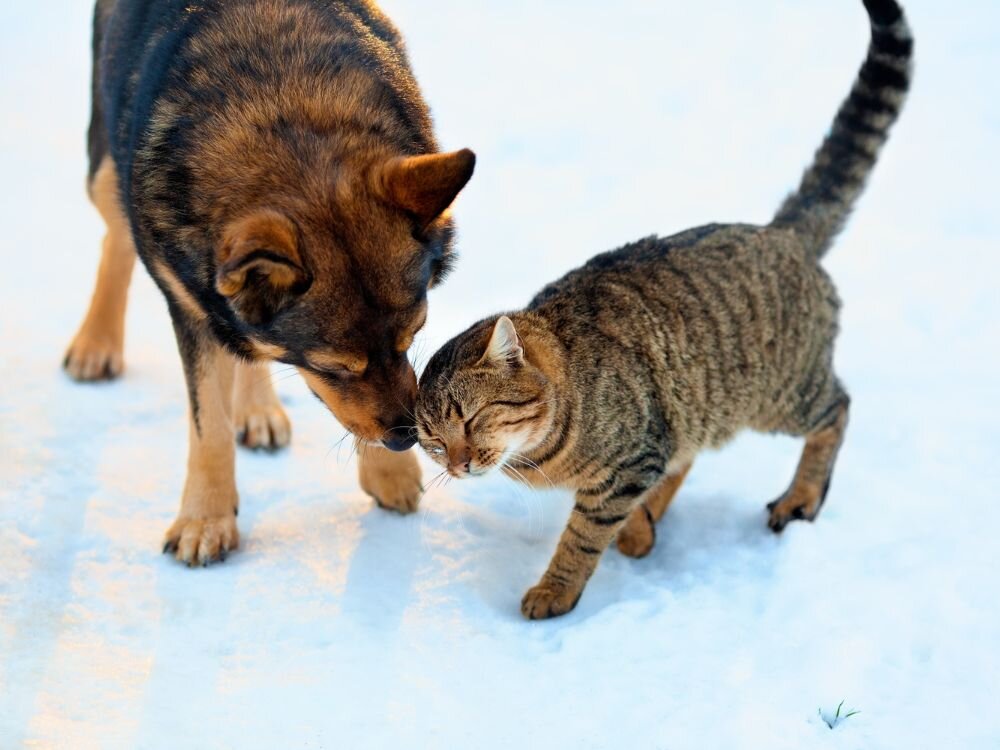
Cold weather, trapped moisture, and reduced airflow around the ears make ear problems in pets more common in winter, especially in January and February. When warmth and moisture build up inside the ear canal, bacteria and yeast multiply faster.
This is why winter creates an ideal environment for irritation or infection.
Common Winter Triggers That Cause Pet Ear Problems

1. Indoor heating dries out the skin.
Warm air from heaters pulls moisture out of your pet’s skin, including inside the ears. Dry, itchy skin leads to scratching, and tiny scratches create easy entry points for bacteria and yeast.
2. Winter grooming habits can trap moisture.
If ears don’t fully dry after a bath, leftover dampness sits inside the ear folds. Dogs with floppy ears or thick fur around the canal feel this the most.
3. Reduced airflow makes things worse
Pets love curling up near heaters or fireplaces. Those warm spots feel nice, but they trap heat and moisture inside the ear, providing a favorable environment for yeast and bacteria to grow.
4. Condensation forms during cold-to-warm temperature swings
Coming inside after a frosty walk can create a quick burst of moisture in the ears. That condensation doesn’t always evaporate quickly, especially in thick-coated dogs.
5. Wax buildup from irritation and indoor allergens
Irritation, dry air, and indoor allergens like dust or dander can change how much earwax your pet produces during winter. Extra wax traps debris and moisture, which raises the risk of infection.
6. Ear mites spread more easily indoors
In winter, pets often share blankets, beds, and cozy corners. That close contact makes it easier for ear mites to spread, causing irritation and swelling that can turn into an infection.
7. Long-eared or floppy-eared dog breeds have a higher risk
Dogs like Spaniels, Bassets, Labs, and Goldendoodles get less airflow under their heavy ear flaps. Heat and moisture build up more quickly, which is why these breeds are prone to winter ear infections.
Ear Infections in Dogs and Cats
Most infections involve bacteria, yeast, or both, which is why symptoms tend to look similar from the outside.
Signs of Ear Infections in Dogs
These signs tend to appear first in dogs.
- Head shaking or frequent ear flicking
- Scratching or rubbing the ears on furniture or the floor
- Odor, redness, or visible discharge
- Whining or pulling away when the ears are touched
If you notice more than one of these at the same time, it’s worth checking their ears more closely or calling your vet.
Signs of Ear Infections in Cats
Cats often show milder symptoms at first, so it helps to watch for changes in behavior or grooming.
- Tilting the head to one side
- Excessive grooming around or inside the ears
- Brown or dark, greasy-looking discharge
Cats with ear discomfort may also avoid being petted near the head or hide more than usual.
When It’s Likely Ear Mites
Ear mites tend to look and behave differently from regular infections.
- Coffee-ground-like debris inside the ear
- Intense itching that seems nonstop
- Problems affecting both ears at once
If you see these symptoms, mites are a strong possibility, and a vet visit is the quickest way to get them under control.
How to Prevent Winter Ear Problems in Pets

A simple winter ear-care routine helps reduce the risk of infection and keeps your pets comfortable during the coldest months.
1. Keep ears dry after walks or snow play
Dry your pet’s ears after being outside, especially if they’ve been in snow, wet grass, or mud. Use a towel to gently wipe the ear flaps and outer ear.
If your dog loves snow, check for packed snow or ice balls that form around the ear area.
2. Follow a regular ear maintenance routine
Use a vet-approved ear cleaner when needed, but don’t overdo it. Cleaning too often can irritate the ear canal. Light, steady care works better than aggressive cleaning.
3. Brush or trim fur around the ears
Brushing or lightly trimming the fur around the ears improves airflow and prevents mats from trapping moisture.
Avoid plucking hair inside the ear canal unless your vet advises it, since this can cause irritation.
For long-haired cat grooming tips, read A Long-Haired Cat Care Guide to Help Tame the Fluff!
4. Use pet-safe grooming wipes between baths
Grooming wipes help remove dust, pollen, and mild irritation that build up when pets spend more time indoors. They’re also useful for cleaning the outer ear flap.
Do not use wipes inside the ear canal. Leave deeper cleaning to vet-approved liquid cleaners.
5. Watch winter sleeping spots
Cats and dogs love warm corners, but heaters and fireplaces can dry the skin around the ears. That dryness leads to scratching, which increases irritation.
Moisturize dry skin using products recommended by your vet.
When to See a Veterinarian
These symptoms mean the infection has likely started and won’t clear on its own.
- Bloody discharge
- A strong or sour smell
- Persistent scratching or head shaking
- A head tilt or balance issues
These signs often point to deeper infection, swelling inside the ear canal, or a condition that needs medication.
If infections keep coming back each winter, ask your vet about underlying causes like allergies or chronic inflammation.
Why DIY Fixes Can Make Ear Infections Worse
Some products that seem harmless can actually irritate your pet’s ears or make infections worse.
Avoid using:
- Human wipes, which contain fragrances and drying agents
- Rubbing alcohol or peroxide, which burn and slow healing
- Cotton swabs, which push debris deeper and can damage skin
- Homemade oils or DIY mixtures, which trap moisture
If ear mites are the cause, only prescription treatments will fully stop the itching and infection. A quick vet visit saves time, discomfort, and the risk of repeat infections.
Keep Your Pet’s Ears Clear All Winter

Simple habits go a long way in preventing infections before they start. Pets rely on us to notice small changes, and staying alert during the colder months makes a big difference in their comfort.
For supplies that make winter pet care easier, visit your local Wilco Farm Store or shop online for pet-safe cleaners, grooming wipes, and other cold-weather pet needs.


Store Hours
Monday - Saturday 7am - 8pm, Sunday 9am - 6pm

For questions or help with online orders call: (888) 78-WILCO
Limited to stock on hand. Some items may vary from photos. Because of store size limitations or geography, some items featured may not be available in all stores but will be made available by special order during sale periods at advertised prices. All sale prices listed as “dollars off” or “% off” are discounted from our regular posted shelf price, not from discounts given with specialty, bulk or pallet pricing. Reseller and Drop-shippers must contact us for pre-approval to place orders with the intent to re-distribute.
© 2026, Wilco Farm Store