Shopping at Pasco - Monday - Saturday 7am - 8pm, Sunday 9am - 6pm
PascoMonday - Saturday 7am - 8pm, Sunday 9am - 6pm



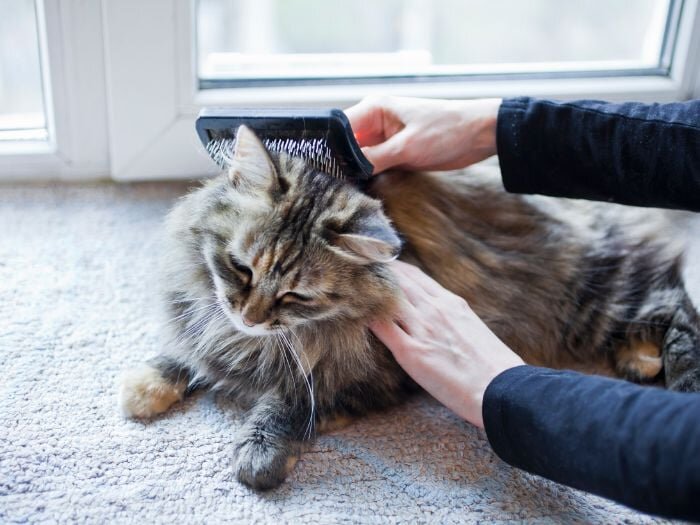
Long-haired cats are fluffy, fabulous, and (let’s be honest) a little high-maintenance. But regular grooming isn’t just about keeping them photo-ready. It helps them feel better, stay cleaner, and avoid some real trouble down the line.
Here’s why it’s essential to groom your long-haired cat:
 You don’t need a drawer full of fancy gear to groom a long-haired cat, but the right tools make a difference.
- Preventing mats and tangles – Tangled fur pulls at the skin and traps dirt, moisture, and even bugs. If left alone, small knots grow into tight mats that tug every time your cat moves.
- Reducing shedding and hairballs – You can’t stop a long-haired cat from shedding, but you can control where the fur ends up. Regular brushing pulls out the loose undercoat before it lands on your couch or ends up in your cat’s belly.
- Catching skin problems – Watch for fleas, bumps, redness, scabs, or anything else unusual as you brush. You’ll also get to know what’s normal for your cat, so if something changes, you’ll spot it fast.
- Keeping cats clean and comfy – Long fur is more likely to trap litter, dirt, and food, especially on the back end. A clean coat keeps your cat more comfortable.
Best Grooming Tools for Long-Haired Cats
You don’t need a drawer full of fancy gear to groom a long-haired cat, but the right tools make a difference.
Brushes and Combs
Switching between a brush and a comb lets you tackle the topcoat and the undercoat without missing spots.- Slicker brush: It gently removes loose fur and surface-level tangles. Great for quick daily brushing sessions.
Tools for Undercoats and Shedding
Use these once or twice a week during heavy shedding seasons to keep fur from taking over your furniture.- Undercoat rakes: These reach below the top layer to pull out dead hair before it becomes a mat.
Tips for Choosing the Best Tools
Not all combs or brushes are created equal. Here’s what to look for:- Sturdy metal teeth: Plastic can bend or break in thicker coats.
- Dual-length options: Combs with long and short teeth help you reach every layer.
- Rounded tips: Sharp points will irritate or scratch sensitive skin.
How to Groom a Long-Haired Cat: Step-by-Step

Step 1: Create a Grooming Schedule
How often you groom depends on your cat’s coat, the season, and their shedding habits.- Daily – A quick once-over with a slicker brush helps stay ahead of shedding and tangles, especially during spring and fall.
- Weekly – Do a deeper grooming session. Use combs to reach the undercoat and check for hidden mats.
- Seasonally – Add de-shedding tools or undercoat rakes to your routine during heavy shedding. You might also need to trim long fur near the rear to keep things clean.
Step 2: Start with Brushing
Make it a calm routine by brushing after meals or when your cat feels mellow.- Brush in the direction of hair growth – This feels better for your cat and helps prevent breakage or pulling.
- Go gently – Use short, light strokes. If you hit a tangle, stop and work it out slowly (more on that below).
- Focus on trouble spots – Pay extra attention to areas where mats love to hide: behind the ears, under the armpits, along the belly, and near the tail.
- Use the right brush – A slicker brush is great for daily upkeep. Follow up with a wide-tooth comb to catch anything deeper down.
Step 3: Deal with Tangles and Mats
When you find a tangle or mat, don’t yank or cut it out right away. That can hurt your cat and damage their coat. Instead:- Hold the base of the mat close to the skin to reduce tugging.
- Work from the end of the mat inward using a dematting comb or your fingers.
- Use a detangling spray (cat-safe only!) to soften the fur if needed.
- Stay calm. If your cat starts to squirm or get upset, take a break and try again later.
Bathing & Trimming
long-haired cats are usually good at keeping themselves clean, but sometimes, they need a little help. Knowing when (and how) to bathe or trim your cat can make grooming much smoother, whether it's sticky fur, seasonal shedding, or a litter box mishap.Do Long-Haired Cats Need Baths?
Most of the time, a healthy long-haired cat doesn’t need regular baths. But there are a few times when a bath is a good idea:- They’ve rolled in something messy or sticky.
- Their fur is greasy, dusty, or smells off.
- They have allergies or skin issues that need medicated shampoo.
- They're older or overweight and can't groom themselves well.
Use Cat-Safe Products Only
Cats have sensitive skin and a habit of licking everything, so it’s important to use shampoos made just for cats. Look for:- Fragrance-free or lightly scented formulas
- Oatmeal or aloe-based products for gentle soothing
- No essential oils (many are toxic to cats, even in small amounts)
- Skip human shampoos or dog products – they can cause itching, dryness, or worse.
Trimming Tips
 Long fur grows everywhere, but a few areas need trimming more often.
- Paws: Trim fur between the toes to prevent slipping and keep debris from collecting.
- Rear end: Trim lightly around the backside to keep things tidy and avoid litter cling.
- Chest and belly: Long fur here tends to mat quickly; light trimming can help reduce tangles.
How To Trim Safely
You don’t need to give your cat a full haircut. Just snip the spots that collect mess or cause discomfort.- Use small, blunt-tipped scissors or cat-safe grooming clippers.
- Always trim in a well-lit, quiet space with your cat on a stable surface.
- If your cat squirms, stop and try again later, or ask for help.
When to Call a Groomer
Some jobs are better left to the pros. Here are signs you should skip DIY and head to a groomer:- Mats are tight, large, or close to the skin.
- Your cat is anxious, aggressive, or doesn’t sit still.
- You’re not sure how to use clippers or scissors safely.
- There’s skin irritation under the mats or fur.
Seasonal Grooming
Long-haired cats go through seasonal coat changes. And as the weather shifts, so do their grooming needs.Spring & Fall: Shedding Season
Your cat sheds its coat twice a year to adjust to the weather, usually in spring and fall. That means more fur everywhere unless you stay on top of it. Here’s how to manage seasonal shedding:- Brush daily with a slicker brush or undercoat rake to remove loose fur before it mats.
- Use deshedding tools a few times a week during heavy shed weeks.
- Add hydration. Dry skin worsens shedding, so make sure your cat has fresh water and a moisture-rich diet.
Summer Trimming
In the summer, it’s tempting to reach for the clippers. But long-haired cats don’t need a full shave to stay cool. In fact, their fur acts as insulation, protecting them from sunburn and helping regulate body temperature. What you can trim:- Fur around the rear and inner thighs to keep things clean.
- Tufts between paw pads to avoid slipping on smooth floors.
- Small mats that brushing can’t fix.
Winter Grooming
Cold weather means drier air, both indoors and out. That can lead to dry skin and static fur. To help your cat through the winter:- Brush regularly to keep oils moving through the coat.
- Use a grooming spray or cat-safe conditioner to tame flyaways.
- Skip overbathing. It can dry the skin even more.
Long-Haired Cat Care Beyond Grooming
 Keeping a long-haired cat looking good isn’t just about brushing and trimming. Their coat health starts from the inside out, and a few simple habits around the house help prevent tangles, stress, and mess.
Diet
A healthy coat starts with a healthy diet. Look for cat food that includes:- High-quality animal protein: This fuels healthy hair growth.
- Omega-3 and Omega-6 fatty acids: These support soft, shiny coats and reduce dryness
- Plenty of moisture: Wet food or a splash of water on dry kibble helps keep their skin hydrated.
- How Often Should You Be Feeding Your Pet
- Unlocking the Secrets to a Picky Feline's Taste Buds
- What Pet Food Do I Pick?
Enrichment
Cats can shed from stress, and long-haired cats shed a lot when anxious. Keeping their environment calm and interesting helps more than you think. Easy ways to reduce stress-related shedding:- Interactive toys to burn energy and keep boredom at bay.
- Window perches or cat trees provide a safe lookout spot.
- Playtime and attention are especially helpful during big changes like moving or new pets.
- Routine (like grooming at the same time each day) can become something your cat enjoys.
Litter Box
Long fur and litter don’t always mix. Clumps of litter can get stuck to their paws, tail, or – yep – their rear. Here’s how to keep things clean:- Trim fur around the rear and inner thighs to avoid litter cling.
- Use low-dust litter to keep fine particles from sticking to fur.
- Choose a larger litter box with high sides to contain flinging.
- Wipe gently with a damp cloth or grooming wipe if things get messy.
When to Call a Professional Groomer or Vet
Sometimes, even with regular brushing and the best intentions, your long-haired cat’s coat needs expert help.Signs It’s Time to See a Vet
Keep an eye out for:- Red, scabby, or flaky skin
- Bald patches or sores
- Foul-smelling fur or skin
- Excessive licking or biting at one spot
- Sudden refusal to be touched or groomed
Mats You Shouldn’t Try to Tackle Alone
Some mats can be handled with patience and a comb. Others? Not so much. If a mat is:- Tight against the skin,
- Too large or widespread,
- In a sensitive area like the armpits or belly, or
- Causing your cat pain or limiting movement
When Grooming Turns into a Wrestling Match
If your cat growls, hisses, swats, or bolts every time you bring out the brush, that’s not something you should power through. Forcing it will make things worse and could damage the bond between you and your cat. Cats that get overly anxious or aggressive during grooming might benefit from:- A pro groomer experienced with behavior-sensitive cats.
- A mobile grooming service, so your cat can stay in a familiar space.
- Veterinary support, if medication or calming techniques are needed.
Keep the Floof Fabulous
 Grooming a long-haired cat might take a little extra effort, but it’s one of the best things you can do to keep your fluffy friend happy, healthy, and mat-free.
Stock up on grooming gear or find the best brush for your long-haired cat at your local Wilco Farm Store or shop online to find everything you need to keep your cat looking and feeling their best.
Grooming a long-haired cat might take a little extra effort, but it’s one of the best things you can do to keep your fluffy friend happy, healthy, and mat-free.
Stock up on grooming gear or find the best brush for your long-haired cat at your local Wilco Farm Store or shop online to find everything you need to keep your cat looking and feeling their best.
Orders
Services
About
Your Pasco Wilco Store

Store Hours
Monday - Saturday 7am - 8pm, Sunday 9am - 6pm

Need Help?
For questions or help with online orders call: (888) 78-WILCO
Limited to stock on hand. Some items may vary from photos. Because of store size limitations or geography, some items featured may not be available in all stores but will be made available by special order during sale periods at advertised prices. All sale prices listed as “dollars off” or “% off” are discounted from our regular posted shelf price, not from discounts given with specialty, bulk or pallet pricing. Reseller and Drop-shippers must contact us for pre-approval to place orders with the intent to re-distribute.
© 2026, Wilco Farm Store