


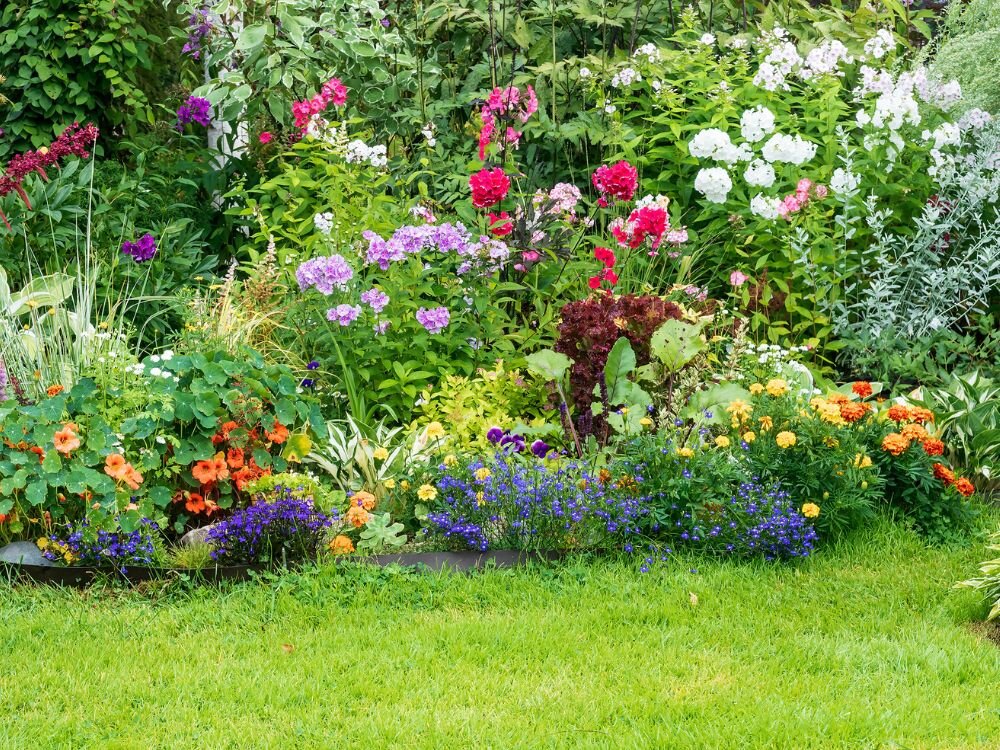
Spring is the best time to try something new in the garden, since cooler weather, workable soil, and longer days make it easier to experiment without much risk. And you don’t need a complete redesign to see a difference. Sometimes one new plant is enough to refresh a bed or change how a space feels.
What’s the Difference Between Annuals and Perennials?

Annuals bloom for one season, while perennials come back year after year.
Annuals are your quick win. You plant them in spring, they grow fast, and bring bold color right away. They’re great when you want flexibility like filling gaps, trying a new look, or refreshing containers without a long-term commitment.
Perennials play the long game. They take a little more patience, but they return each season and help give your garden shape and rhythm. Once they’re established, they often need less upkeep and become the backbone of your beds.
What to Consider When Choosing Annuals and Perennials
- Sun and moisture levels – Full sun, part shade, dry soil, or damp corners all call for different choices, so make sure you understand what your yard can handle.
- Early-season performance – Some plants stall when spring stays cool. Others jump right in. Early performers help beds look full sooner.
- Versatility in beds and containers – The most useful plants work in more than one spot. They handle garden beds, raised planters, or containers without fuss.
This approach keeps spring planting practical. You get color that lasts, plants that grow well, and a garden that looks good beyond the first warm week.
Exciting Plants to Try This Spring
Annuals (Fast Color, Seasonal Impact)
1. Calendula

Calendula brings warm, cheerful color early in the season, even when spring weather stays cool.
- Best Garden Use: Beds, borders, cutting gardens, and containers
- Light Preference: Full sun to part sun
- Water Needs: Moderate; more drought-tolerant once established
- Notable Benefits: Long bloom time, early spring color, attracts pollinators
PNW Note: Does best in spring when soil drains well. Avoid soggy spots and heavy clay unless amended. Handles cool weather better than heat, so it shines early.
2. Nemesia

Nemesia offers soft color with a light fragrance, making it feel a little more special than typical spring fillers.
- Best Garden Use: Containers, window boxes, edging
- Light Preference: Full sun to part sun
- Water Needs: Consistent moisture
- Notable Benefits: Early blooms, compact growth, great for small spaces
PNW Note: Plant after the soil starts warming but before hot weather hits. Great for containers or raised beds with reliable drainage.
3. Sweet Peas

Sweet peas bring vertical interest and classic spring fragrance at a time when most gardens are still waking up.
- Best Garden Use: Trellises, fences, arches
- Light Preference: Full sun
- Water Needs: Consistent moisture
- Notable Benefits: Fragrant flowers, pollinator-friendly, excellent cut flowers
PNW Note: Plant early, around late winter to early spring. Sweet peas love cool temperatures and often fade once summer heat arrives, so timing matters more than location.
4. Snapdragons

Snapdragons add height and texture without needing warm nights.
- Best Garden Use: Beds, borders, containers
- Light Preference: Full sun to part sun
- Water Needs: Moderate
- Notable Benefits: Early-season performance, long bloom window, good cut flower
PNW Note: Excellent cool-season performers. They tolerate chilly nights and light frost, making them a solid early spring choice for beds and containers.
5. Lobelia

Lobelia’s true blue and purple tones stand out when spring color palettes lean toward pastel.
- Best Garden Use: Hanging baskets, containers, edging
- Light Preference: Part sun to part shade
- Water Needs: Consistent moisture
- Notable Benefits: Cool-season color, great trailing habit, attracts pollinators
PNW Note: Prefers cooler conditions and consistent moisture. Works especially well in part shade or containers where the soil doesn’t dry out too fast.
Perennials (Reliable, Returning Favorites)
6. Hellebores

Hellebores bloom when little else does, often showing color in late winter or very early spring.
- Best Garden Use: Shaded beds, borders, woodland gardens
- Light Preference: Part shade to shade
- Water Needs: Moderate
- Notable Benefits: Very early blooms, evergreen foliage, deer-resistant
PNW Note: Very well suited to the region. Plant in sheltered, shaded areas with good drainage. Once established, they can handle PNW winters.
7. Bleeding Heart

Bleeding heart adds soft texture and arching flowers that feel made for spring gardens.
- Best Garden Use: Shaded borders, cottage gardens
- Light Preference: Part shade
- Water Needs: Moderate
- Notable Benefits: Early spring blooms, classic shape, shade-friendly
PNW Note: Thrives in part shade with moist, well-drained soil. A natural fit for woodland-style gardens and north-facing beds.
8. Heuchera (Coral Bells)

Heuchera earns its place through foliage, offering color even when flowers aren’t in bloom.
- Best Garden Use: Borders, containers, mixed beds
- Light Preference: Part sun to part shade
- Water Needs: Moderate
- Notable Benefits: Season-long foliage interest, low maintenance, versatile
PNW Note: Handles PNW conditions well but dislikes standing water. Plant in raised beds or slopes if drainage is slow.
9. Hardy Perennial Salvia

The salvia family is large, but hardy perennial salvias are reliable garden performers with long bloom time and strong pollinator appeal.
Well-loved options* include:
- Salvia microphylla varieties like “Hot Lips”
- Salvia nemorosa types, often called woodland sage
- Cold-hardy garden salvias bred for long bloom and compact growth
(*Note: Not all salvias are perennial in every region, so check the plant tag for your local hardiness zone.)
- Best Garden Use: Beds, borders, pollinator gardens
- Light Preference: Full sun
- Water Needs: Low to moderate; drought-tolerant once established
- Notable Benefits: Pollinator support, long bloom period, heat-tolerant
PNW Note: Choose cold-hardy varieties and plant in full sun with good drainage. Wet winter soil is the biggest challenge for this plant. Avoid heavy, soggy areas and consider raised beds if drainage is slow.
10. Hardy Geranium (Cranesbill)

Hardy geraniums fill space, soften edges, and bloom longer than many spring perennials.
- Best Garden Use: Ground cover, borders, underplanting
- Light Preference: Full sun to part shade
- Water Needs: Moderate
- Notable Benefits: Long bloom time, low maintenance, dependable spread
PNW Note: One of the easiest perennials for this region. Adapts well to cool springs and handles moisture better than many flowering plants.
Spring Planting Tips for PNW Gardens

Spring in the Pacific Northwest likes to fake us out, so spring planting here rewards patience. Slow starts usually lead to stronger plants and fewer losses as the season settles in.
- Don’t plant based on one warm weekend. If nights are still cold, many spring plants will stall or struggle. It’s better to wait a week than rush and replant.
- Watch soil moisture and drainage. If the soil feels soggy or sticks to your shovel, give it time. Planting too soon can lead to root stress or rot, especially for perennials.
- Containers warm faster than in-ground beds. Pots and raised containers heat up sooner and drain faster. They’re a good place to start early planting while garden beds catch up.
- Be ready for late cold snaps. Cold nights happen, even after planting season feels underway. Keep frost cloth, overturned buckets, or light covers handy to protect new plants.
For more help, read Soil Temperature 101: When It’s Actually Safe to Plant in the PNW and Water-Saving Tips for Your Garden and Yard.
How to Mix Annuals and Perennials for Spring Color
The easiest way to get strong spring color is to let annuals and perennials do different jobs.
Use annuals to fill gaps while perennials establish. New perennials take a season or two to bulk up. Annuals step in fast by filling bare spots so beds look finished right away. As perennials grow in, you can shift annuals around or swap them out each spring.
Layer heights for depth and interest. Taller plants toward the back or center give structure, while mid-height bloomers add body. Low growers soften edges and keep beds from looking bare. This keeps the garden looking full even early in the season.
Mix foliage and flower textures for balance. Too many blooms can feel busy. Mixing leafy plants with flowering ones gives the eye a place to rest. Bold leaves next to fine textures also make colors pop more, even when fewer plants are in bloom.
Try Something New This Spring

Mixing dependable spring favorites with a few less-expected choices keeps your garden interesting without making it harder to manage.
If you’re ready to try something new this spring, stop by your local Wilco Farm Store or shop online for seasonal plants, soil, and supplies. And don’t hesitate to ask the in-store team for help choosing plants that make sense for your space.


Store Hours
Monday - Saturday 7am - 8pm, Sunday 9am - 6pm

For questions or help with online orders call: (888) 78-WILCO
Limited to stock on hand. Some items may vary from photos. Because of store size limitations or geography, some items featured may not be available in all stores but will be made available by special order during sale periods at advertised prices. All sale prices listed as “dollars off” or “% off” are discounted from our regular posted shelf price, not from discounts given with specialty, bulk or pallet pricing. Reseller and Drop-shippers must contact us for pre-approval to place orders with the intent to re-distribute.
© 2026, Wilco Farm Store