


Winter doesn’t ease its way into the Pacific Northwest. One week, it’s a drizzle. The next, a hard freeze catches the pipes off guard. So whether you’re working on your home’s energy efficiency or protecting livestock from the cold, winter is easier when you’re ready for it. That’s why we’ve gathered this checklist to help you protect your property, stay comfortable, and keep your farm and family thriving through the season.
Winter Home Maintenance

First, take the time to button up the basics inside your home before winter settles in.
1. Check your heating system.
• Replace furnace filters to improve airflow and heating efficiency.
• Schedule an HVAC or heat pump inspection before the first cold snap.
• Test smoke alarms and carbon monoxide detectors to keep your family safe.
2. Seal up your home for energy efficiency.
• Add draft stoppers to exterior doors.
• Seal cracks or gaps around doors and windows with weather stripping or caulk.
• Check your attic insulation and fill any thin spots to prevent heat loss.
For more ideas, check out Water & Energy Conservation Tips for Your Home.
3. Check pipes in unheated spaces for signs of freezing.
If you followed our Fall Maintenance & Prep Checklist, you’ve likely already insulated your pipes, but don’t stop there.
• Check your garage, crawlspace, and under-sink areas for signs of condensation, frost, or slow-draining pipes that indicate potential trouble.
• Wrap any exposed pipes with insulation or heat tape before the next cold snap.
• Disconnect outdoor hoses if you haven’t yet, and use faucet covers to add an extra layer of protection against freezing.
Read Prevent Frozen Pipes for a deeper dive into winterizing your plumbing.
4. Inspect your roof and gutters after storms.
If your gutters and downspouts were cleared in the fall, now’s the time for maintenance checks between storms.
• Remove any new debris, moss, or ice buildup that could block water flow.
• Look for loose shingles, sagging areas, or rusted flashing. Rain and wind reveal weak spots fast in the Pacific Northwest.
• Trim back overhanging branches before the next round of high winds to reduce moss growth and prevent limbs from falling.
Shop Moss Treatments ↗ | Shop Outdoor Tools↗
5. Maintain your fireplace and vents during heavy use.
• Check your chimney cap and flue for debris, and schedule a cleaning if you notice reduced draw or smoke backing up indoors.
• For gas fireplaces, test the pilot light and look for signs of moisture buildup on glass or vents.
• Vacuum out heating vents and keep them clear of furniture, rugs, or pet beds so warm air circulates freely.
Read Wood & Pellet Stove Maintenance for more information.
6. Keep driveways and walkways clear and safe.
Even if you patched and sealed your concrete in the fall, winter weather can still expose new cracks and slippery spots.
• Check for damage after freeze–thaw cycles and make repairs when temperatures rise above freezing.
• Treat moss on concrete or pavers since it gets slick fast in wet weather.
• Keep snow shovels, ice melt, or sand handy to manage icy spots after storms.
• Have sand or ice melt on hand for icy walkways.
• Mark pathway edges or stairs with reflective stakes for visibility in foggy, rainy, or snowy conditions.
For safer footing on icy walkways or barn paths, try Yaktrax Walker Winter Traction. They slip easily over your boots or shoes to give you extra grip when it’s slick outside.
7. Be ready for power outages.
• If you rely on a generator, test it now and store extra fuel safely.
• Charge portable power banks and check that you can access flashlights and headlamps when needed.
• Plug sensitive electronics into surge protectors to prevent damage from unexpected power spikes when the power flickers or comes back on.
If your generator runs on propane, Wilco Energy offers bulk propane service and delivery in select areas of the Willamette Valley.

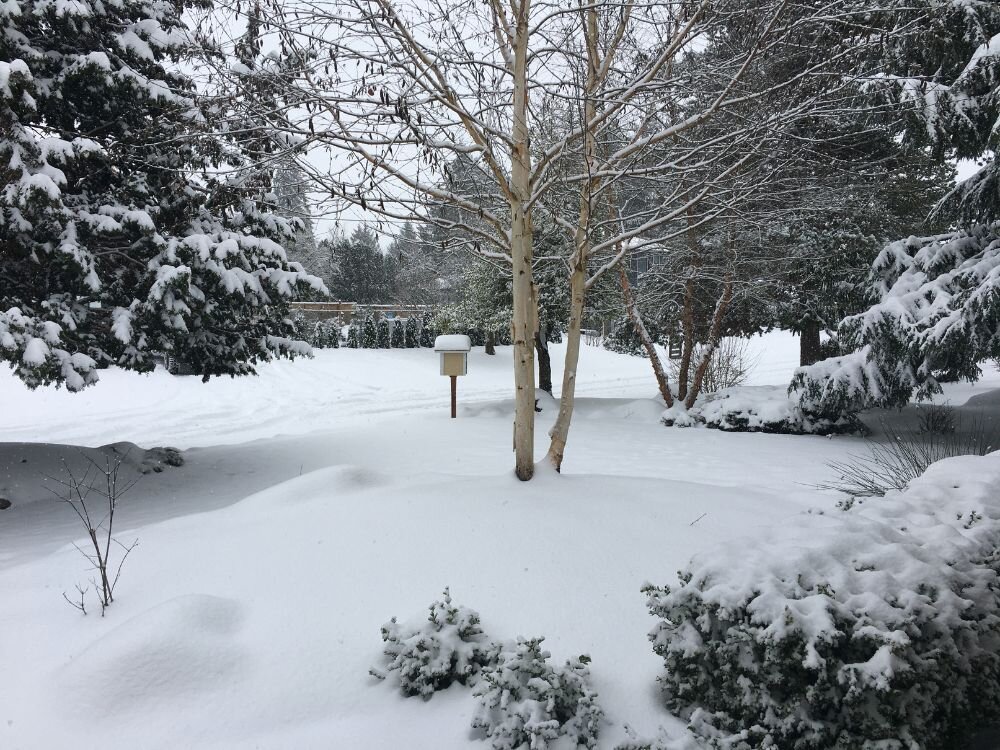
📸: Caitlin W of the Springfield, OR area
Bonus: Get ready for winter fun!
All work and no play? Not this winter. Once your home is sealed, your pipes are wrapped, and your power is prepped, take a minute to plan for the fun side of the season.
Stock up on warm winter wear for the kids, cozy gloves, and sleds for those snow days that make winter in the Northwest a little more magical.
Winter Garden, Orchard, and Yard Care
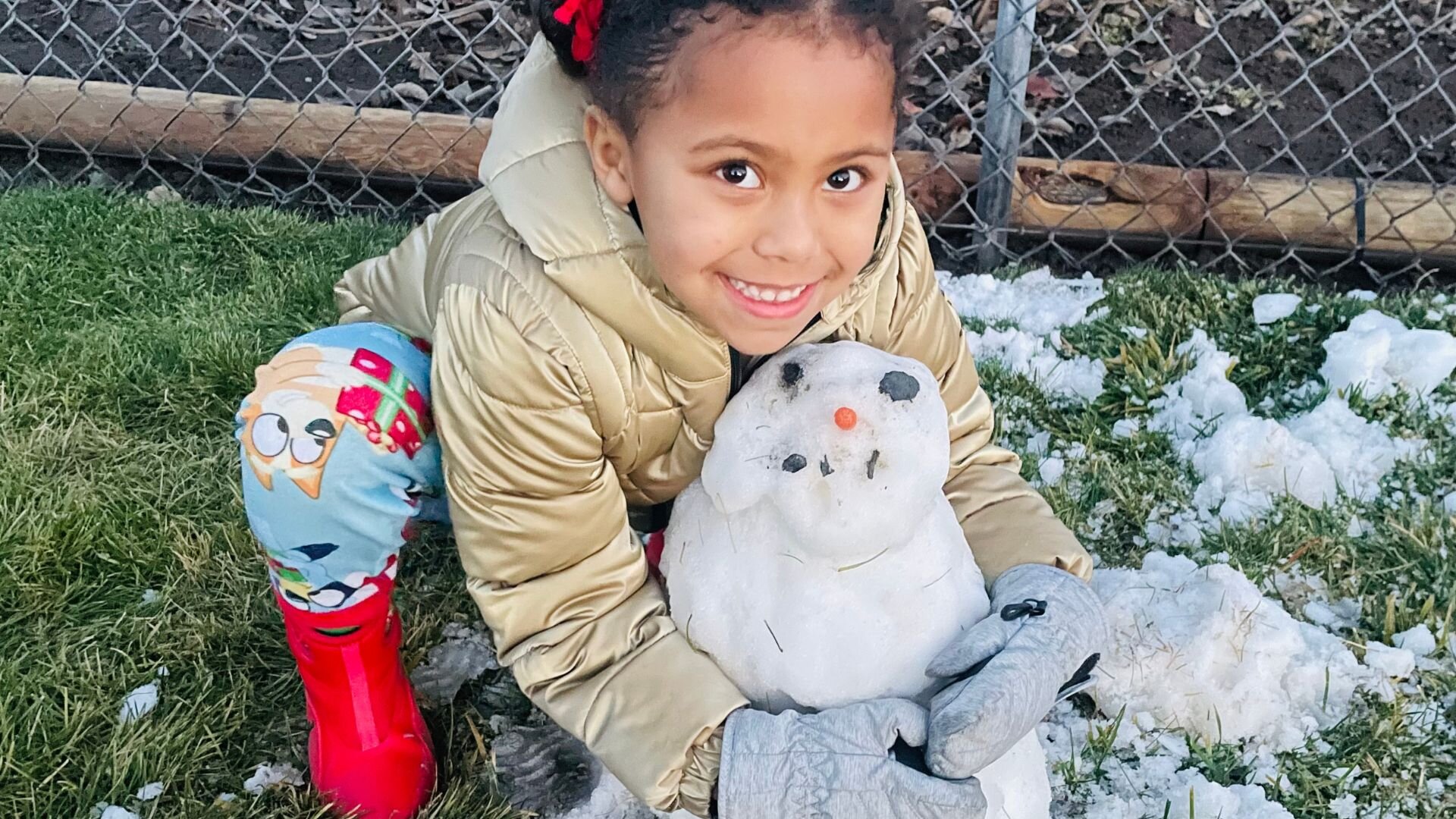
📸: Walter G. of the Yakima, WA area
Winter might seem like a break from outdoor chores, but it’s really your garden and orchard’s time to recharge.
1. Mulch around trees and perennials.
• Add a few inches of mulch around roots and the base of trees and other plants to help insulate against deep freezes.
• Mulch also helps retain soil moisture and prevents frost heave from damaging tender plants.
2. Drain and store hoses and irrigation lines.
• Disconnect hoses and drain out every bit of water after your last watering.
• Roll them up and store indoors or in a shed to prevent cracking.
• For in-ground irrigation, shut off the supply and blow out the lines.
3. Clean and oil your garden tools.
• Give them a quick wipe-down and a coat of oil on blades and hinges to keep rust away through the winter.
• Hang tools where they’ll stay dry, or store them in a bucket of sand mixed with a little oil for easy upkeep.
4. Protect beds and hardy crops.
• Cover raised beds with burlap, plastic sheeting, or frost cloth to keep the soil workable and protect late-season greens.
• Consider adding a cold frame to extend the growing season or start early spring crops.
For more tips, check out 17 Tips for Winter Gardening.
5. Prevent waterlogging and drainage issues.
• After heavy rain or snowmelt, look for spots where water tends to pool or flow toward your garden beds. Standing water can drown roots, compact soil, and attract unwanted pests later on.
• Use gravel, mulch, or small trenches to redirect water away from plants, or install a French drain in problem areas.
Taking steps now also helps reduce mosquito breeding grounds when the weather warms up. Read Prevent Mosquitos Next Summer by Taking Steps This Winter for helpful tips.
6. Check fencing and gates.
• Walk your property to spot loose boards or leaning posts. Snow and high winds can turn small issues into big repairs, so catching them now saves you time later.
7. Store produce and garden harvests.
• If you’ve still got pumpkins, squash, or root crops on hand, proper storage can make them last for months. Choose a cool, dry, and dark area (like a pantry, basement, or insulated shed) to keep your produce fresh.
• Handle crops gently to prevent bruising, and inspect them periodically for soft spots or signs of decay.
For a deeper dive, check out Storing Produce Over Winter.
Winter Readiness for Barns, Equipment, and Animals

From barn roofs to feed bins, now’s the time to check that everything and everyone is ready for freezing temperatures.
1. Prep your barn and other outbuildings.
• Check doors, windows, and seams for cold air leaks. Replace worn weather stripping or caulking to keep heat where it belongs.
• Clear out leaves and debris from roofs and gutters. Look for cracks or sagging beams that could strain under the weight of snow.
• Test lighting, outlets, and heaters. Keep fire extinguishers in easy reach, especially if you’re using heat lamps or cords.
• Disinfect stalls and feeding areas before the temperature drops. Replace worn-out mats and stock up on fresh bedding early. Supplies tend to sell out quickly when a storm hits.
Read Choosing the Right Heater for Your Barn or Workshop and Preparing Your Barn for Winter for more information.
Tack room tip: Clean and oil your leather tack before winter moisture sets in. Store bridles, saddles, and gear off the ground in a dry, well-ventilated area to prevent mold and mildew buildup. Read Winter Storage for Your Tack for more ideas.
Shop Fire Extinguishers↗ | Shop Stall Mats↗
2. Check your farm equipment and trailers.
• Change oil and filters on tractors, ATVs, and generators.
• Check batteries, tire pressure, and antifreeze levels. Cold drains them faster than you’d expect.
• Inspect tire tread on trucks, ATVs, and trailers. Replace worn tires before icy or muddy conditions make driving risky.
• Store fuel safely in labeled containers, keeping them away from direct sunlight and heat sources.
• Run engines weekly to circulate fluids and prevent seals from drying out.
• Grease fittings and protect hydraulics from ice buildup.
• Keep spare fluids, jumper cables, and tire chains handy—you’ll be glad to have them when the first storm hits.
• Service your RV or horse trailer: Check lights, brakes, and seals, and make sure tanks are drained and winterized if they’ll sit unused.
3. Prep your everyday vehicle for cold weather.
• Top off with cold-weather windshield washer fluid that helps melt ice and keeps your view clear.
• Swap in winter wiper blades for better performance during freezing rain.
• Keep an ice scraper and a pair of warm gloves in your car so you’re never stuck clearing frost with bare hands.
Shop Winter Washer Fluid↗ | Shop Winter Wiper Blades↗ | Shop Gloves↗
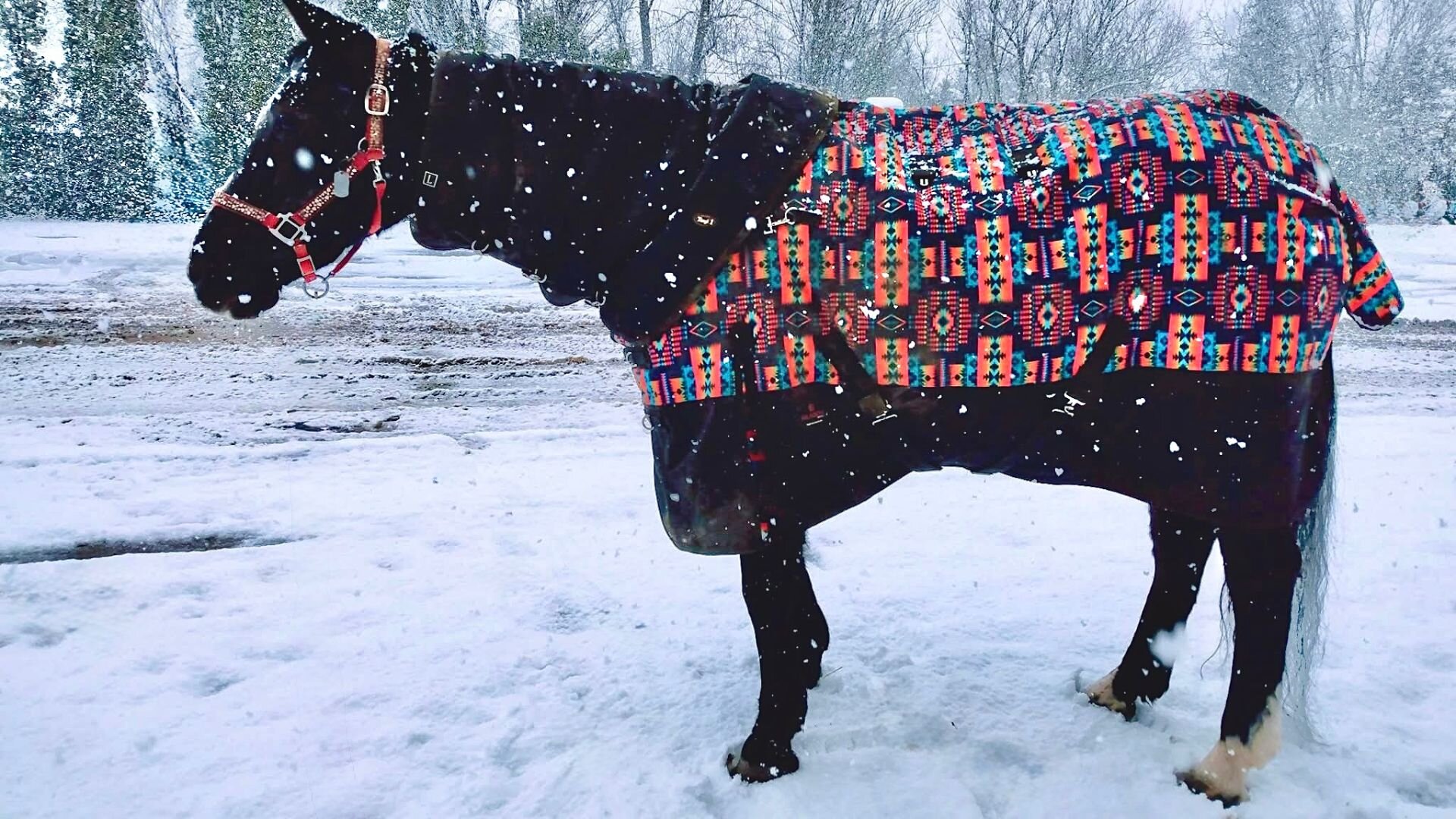
📸: Kathy W. of the Springfield, OR area
3. Keep your livestock fed and protected.
• Use heated buckets or de-icers to keep water from freezing. Check cords and outlets regularly for safety.
• Add blankets where needed: Keep a set of clean, properly fitted blankets for horses, goats, or older livestock that struggle with cold weather. Read Safe Blanketing Practices: When & How to Blanket Your Horse for more help.
• Stock up on hay, grain, and supplements before winter storms or delivery delays hit. Store feed in sealed, rodent-proof containers.
• Make sure stalls and coops have good airflow without direct drafts. Ventilation reduces humidity and keeps animals breathing easy.
• Set traps and seal openings to keep rodents and pests out of barns and storage areas. Read Rodent Pest Prevention and Getting Rid of Moisture-Loving Insects for a deeper dive.
For more help with your animals during winter, check out our other guides:
• Cold Weather Hoof Care to Keep Horses Healthy All Winter
• How to Keep Your Chickens Warm During the Winter
• Keep Egg Production Up in the Winter
Shop Heated Buckets and De-Icers↗ | Shop Animal Feed↗
4. Care for the wild birds around your property.
• Set up feeders before the first frost since wild birds rely on backyard feeders during the lean winter months.
• Keep them full of high-energy seed blends like black oil sunflower or suet.
• Clean feeders regularly to prevent mold, and provide a shallow, unfrozen water source when possible.
Read Preparing for Winter Bird Feeding and Winterizing Birdbaths for helpful tips.
Bonus Step: Review your farm finances and records.
Once the chores slow down and the fields are quiet, winter becomes the perfect time to focus on the business side of the farm.
• Review your books: Go over this year’s expenses, income, and equipment depreciation. Take note of repairs, upgrades, or purchases that could qualify as deductions. Even small items (like tools, fencing, or feed bins) can add up at tax time.
• Collect receipts and records: Gather all paperwork before it gets misplaced. Create a labeled folder system or use accounting software to stay organized throughout the year.
• Schedule check-ins with your accountant: A short meeting now can help you identify savings opportunities, plan for next year’s purchases, and adjust your operating budget before spring planting begins.
Prepare for the Unexpected
From surprise snowstorms to extended power outages, the best way to handle an emergency is to be ready before it happens.
1. Keep an emergency preparedness kit in your home, barn, and car. Each kit should include flashlights, extra batteries, a first-aid kit, bottled water, snacks, blankets, and a portable phone charger. In barns or outbuildings, add backup water and feed for livestock in case you’re snowed in.
2. Don’t forget to create a kit for your four-legged (or feathered) family members. Add pet food, water, and extra bedding to your emergency supplies.
3. Store extra fuel safely for generators, tractors, and space heaters. Store containers in a well-ventilated area, away from open flames and heat sources. Always use approved fuel cans.
4. Plan for pet and livestock evacuation. Know where you could take animals if extreme weather hits. Keep trailers ready, and make sure halters, ropes, and paperwork are easy to grab in a hurry.
5. Maintain clear access points. Keep paths, gates, and driveways shoveled and salted so you or emergency vehicles can move freely. It’s also easier to deliver hay, grain, or fuel when your property stays accessible.
For more emergency planning, read Winter Storm Prep and Create a Winter Emergency Car Kit.
Stay Warm, Stay Ready
From checking your furnace to restocking feed, every task you tackle now sets you up for a safer, smoother winter season.
Stop by your local Wilco or shop online to stock up on winter essentials and head into the season warm, safe, and ready.


Store Hours
Monday - Saturday 7am - 8pm, Sunday 9am - 6pm

For questions or help with online orders call: (888) 78-WILCO
Limited to stock on hand. Some items may vary from photos. Because of store size limitations or geography, some items featured may not be available in all stores but will be made available by special order during sale periods at advertised prices. All sale prices listed as “dollars off” or “% off” are discounted from our regular posted shelf price, not from discounts given with specialty, bulk or pallet pricing. Reseller and Drop-shippers must contact us for pre-approval to place orders with the intent to re-distribute.
© 2026, Wilco Farm Store